

When we think of the first immigrants to New York, the mind often wanders to waves of Irish, Italian, or Jewish newcomers arriving at Ellis Island in the late 19th century. But more than two centuries before that, in 1613, a man named Juan Rodriguez (also spelled João Rodrigues) stepped onto the shores of what would become Manhattan—marking the beginning of New York’s long immigrant legacy. His story, rich with cultural complexity and quiet defiance, is both inspiring and overdue for celebration.
From the Caribbean to New Netherland
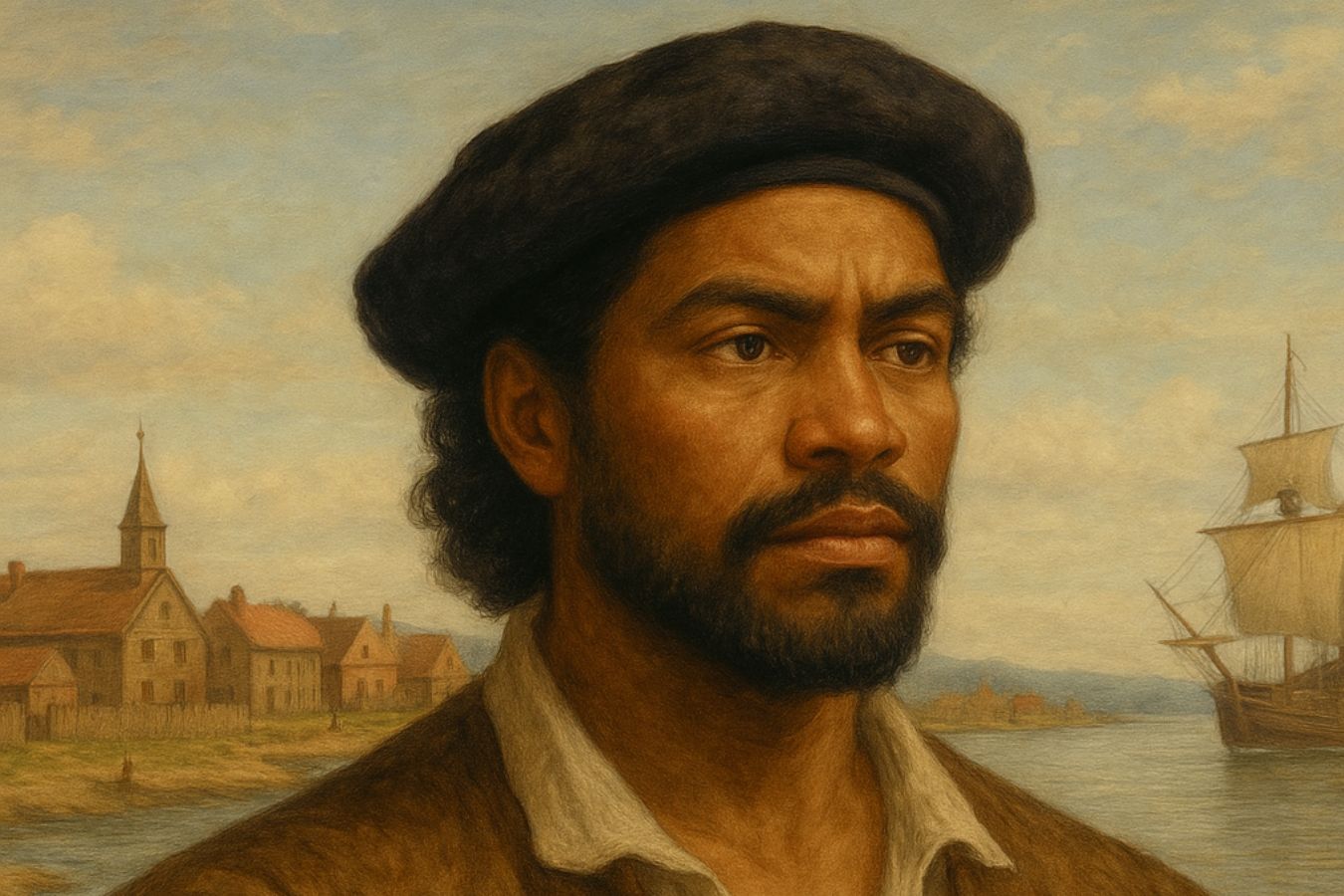
Juan Rodriguez was born around the late 1500s in Santo Domingo, the capital of what is now the Dominican Republic. His background was one of Afro-European heritage—believed to be the son of a Portuguese sailor and an African or Taíno woman, making him a true embodiment of the Caribbean’s diverse racial and cultural melting pot.
At the time, the Spanish colony of Hispaniola was a hotbed of exploration and conflict. Growing up in this world, Rodriguez would have been exposed to multiple languages, cultures, and the economic pressures of colonial trade. This mix helped shape him into a skilled interpreter and trader—a valuable asset in the world of transatlantic commerce.
Working With the Dutch—But On His Own Terms
Rodriguez was hired by a Dutch ship captain from the New Netherland Company as a translator and crewman due to his fluency in multiple languages, including Spanish and Indigenous dialects. In 1613, he arrived in what the Dutch would soon name “New Amsterdam”—modern-day New York City.But Rodriguez wasn’t just another sailor passing through.
When the ship prepared to leave, Juan Rodriguez chose to stay behind, making him the first non-Indigenous, non-European settler of Manhattan. His decision to remain was bold and independent. He started trading with the local Lenape people, setting up a small post to barter goods—completely outside Dutch control.
This act of agency made him not only New York’s first immigrant but also its first free man of color living independently among Native people.

A Quiet Influence on Immigration
Though his name isn’t widely known, Rodriguez’s presence challenged the rigid definitions of race, citizenship, and colonization that would later dominate America. He proved that people of mixed ancestry and African descent were part of this country’s foundation from the start.
His story also subtly influenced later immigration by showing that New York was a place where individuals—regardless of race or origin—could carve out a new life. Long before Ellis Island processed its first newcomer, Rodriguez was already living the immigrant experience: navigating unfamiliar lands, building trust across cultures, and surviving on grit.
Recognition in Modern Times
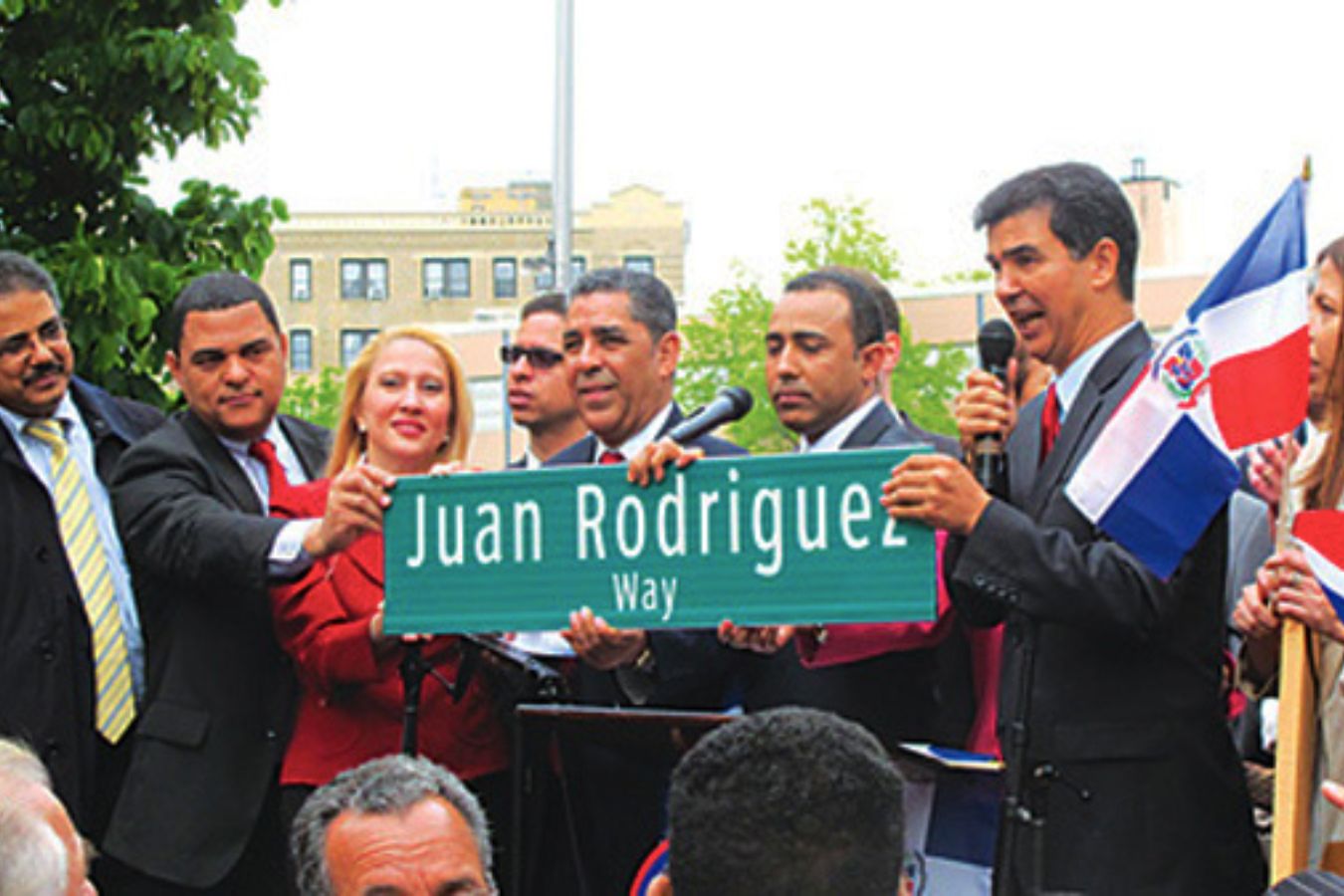
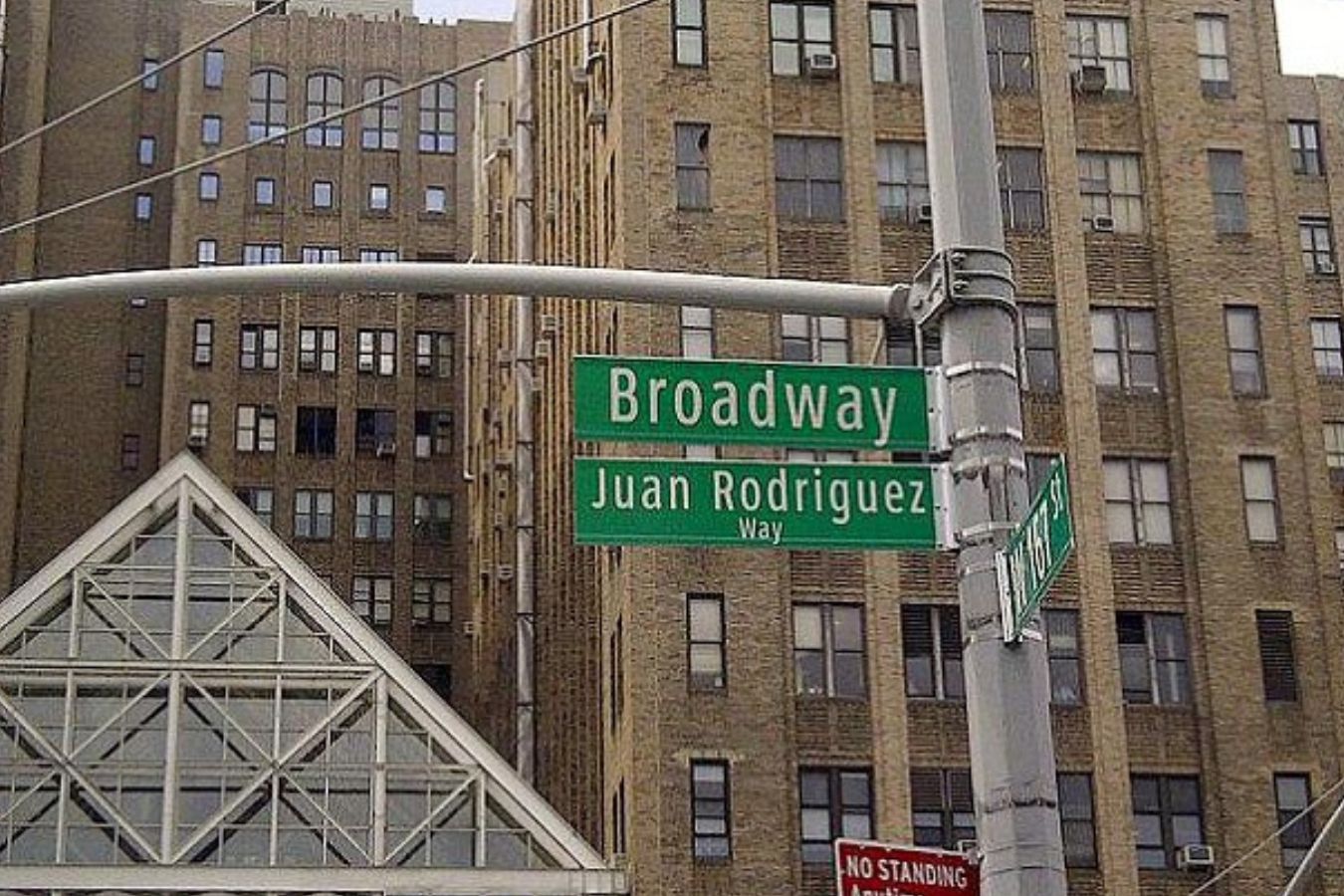
Today, Rodriguez’s story is slowly emerging from the shadows of history. In 2012, Broadway between 159th and 218th Streets in Manhattan was co-named “Juan Rodriguez Way”, a symbolic gesture honoring his historical importance—especially to the Dominican and Afro-Caribbean communities of New York.
Rodriguez’s story has special resonance today as the city continues to thrive on its immigrant roots. His journey reminds us that immigration is not new to New York—it is New York.