

Beyoncé’s B’Day Gets a Latin-Powered Makeover
Twenty years ago, Beyoncé gave herself a birthday present.
Now, Beyoncé does it again; read about Beyoncé’s Historic Album with Selena, Celia Cruz and Maluma below.
It was called B’Day, a ferocious, ambitious album that announced she was no longer simply the former Destiny’s Child standout. She was becoming Beyoncé, the solo superstar, the cultural force, the woman who would eventually make the word “era” feel like a professional job title.
Now, two decades later, she is celebrating that birthday gift by opening the vault and adding some legendary company.
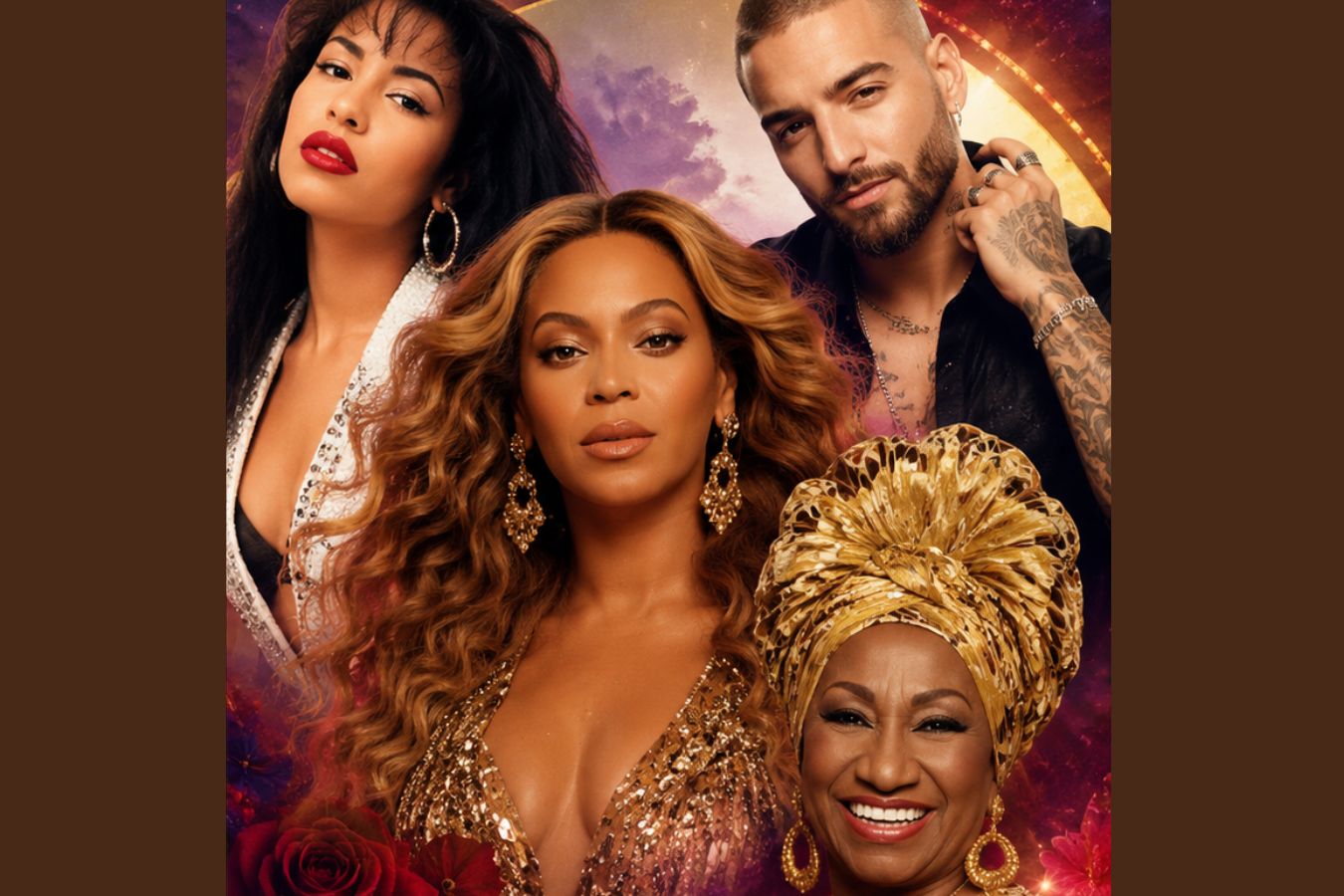
The result is B’Day (20th Anniversary Deluxe Edition), a newly expanded celebration that brings together Beyoncé, Selena Quintanilla, Maluma and the unmistakable legacy of Celia Cruz. The project isn’t merely a nostalgic reissue. It is a musical reunion across generations, cultures and genres.
And because this is Beyoncé, she didn’t exactly settle for putting a few bonus tracks at the end of the album and calling it a day.
The Album That Changed the Game
When B’Day arrived on September 4, 2006, Beyoncé was only 25.
She had already experienced massive success with Destiny’s Child and had established herself as a solo artist with Dangerously in Love. But B’Day felt different. There was urgency in it.
The production was muscular. The vocals were bigger. The attitude was sharper.
Songs like “Déjà Vu,” “Ring the Alarm,” “Get Me Bodied” and “Irreplaceable” showed an artist determined to stretch beyond the polished R&B formula that had made her famous.
Beyoncé reportedly recorded much of the album in a remarkably compressed period, working intensely with producers and musicians to capture the energy she wanted. The result was an album that sounded immediate rather than overly manufactured.
It worked.
B’Day debuted at No. 1 on the Billboard 200, eventually earned five-times platinum certification from the RIAA and helped cement Beyoncé as one of the biggest solo stars in the world.
But there was something else happening beneath the surface.
Beyoncé was looking beyond the English-language pop and R&B world.
Beyoncé’s Connection to Selena
Long before Latin music became an unstoppable force on American streaming charts, Beyoncé understood its cultural power.
She had grown up in Houston, Texas, a city where Black, Mexican American, Caribbean and other cultures collided, influenced one another and created new sounds.
And one artist in particular had made an impression on her.
The Queen of Tejano had become a phenomenon before her life was tragically cut short in 1995. Her influence continued growing long after her death, turning her into one of the most important Mexican American music icons of all time.
Beyoncé has previously spoken about encountering Selena as a young girl in Houston and recognizing her as a major presence in the community.
That connection now takes on new life.
The anniversary project features “Irreemplazable (Como La Flor),” combining Beyoncé’s Spanish-language version of “Irreplaceable” with Selena’s vocals from her classic “Como La Flor.”
It is not a conventional duet. Selena’s vocals were recorded decades ago.
But musically, the effect is powerful.
Beyoncé is essentially singing across time with an artist who helped inspire her.
Two Texas-born women.
Two cultural icons.
Two very different musical journeys converging on one track.
That is the kind of anniversary surprise that makes people stop scrolling.
Enter Maluma
Then Beyoncé turns her attention toward the present.
Colombian superstar Maluma joins her on “Cuerpo Tumbao (Get Me Bodied),” a Spanish-language reimagining of one of B’Day‘s most infectious tracks.
Maluma brings his unmistakable Latin-pop charisma to the party, giving the song a contemporary international flavor while Beyoncé revisits material that helped define her early solo career.
But there is another legend hiding in the track.
Celia Cruz.
The new version incorporates a sample from Cruz’s “La Negra Tiene Tumbao,” connecting Beyoncé’s music to one of the most recognizable voices in Latin music history.
Cruz, the Cuban-born Queen of Salsa, was more than a singer. She was an international symbol of Afro-Latin pride, resilience and cultural identity.
Her presence here feels especially appropriate.
Beyoncé has increasingly explored identity, heritage and Black cultural history throughout her career. Cruz’s legacy fits naturally into that conversation.
Why the Latin Influence Matters
The Latin elements of the anniversary edition aren’t a random attempt to make a 20-year-old album sound current.
Beyoncé had already begun exploring Spanish-language music during the B’Day era. In 2007, she released Irreemplazable, a Spanish-language EP featuring Spanish versions of several songs.
So the new collaborations aren’t Beyoncé suddenly discovering Latin music in 2026.
They’re part of a musical thread that has been running through her career for years.
What has changed is the size and influence of the Latin music industry.
Today’s Latin stars can headline global stadium tours, dominate streaming platforms and cross effortlessly into mainstream American pop. Maluma represents that modern global movement, while Selena and Celia Cruz represent the generations that helped build the cultural foundation.
Beyoncé sits in the middle.
And that’s what makes this project interesting.
The Vault Opens
For longtime fans, perhaps the biggest attraction isn’t even the superstar collaborations.
It’s the unreleased music.
The anniversary edition digs into Beyoncé’s archives, offering previously unreleased recordings including “Creole,” “Back Up,” “Lost Yo Mind” and “Can I Watch You,” featuring Pharrell Williams.
There is also “My First Time,” a recording dating back to sessions associated with Dangerously in Love.
These songs offer a glimpse into the creative process behind the superstar.
Because albums don’t magically appear fully formed.
For every “Irreplaceable” that becomes a worldwide hit, there are dozens of recordings, experiments and ideas that never make the final cut.
Two decades later, Beyoncé is giving fans access to some of those forgotten pieces.
For fans, that’s musical archaeology with a much better soundtrack.
More Than a Birthday Party
The timing is almost too perfect.
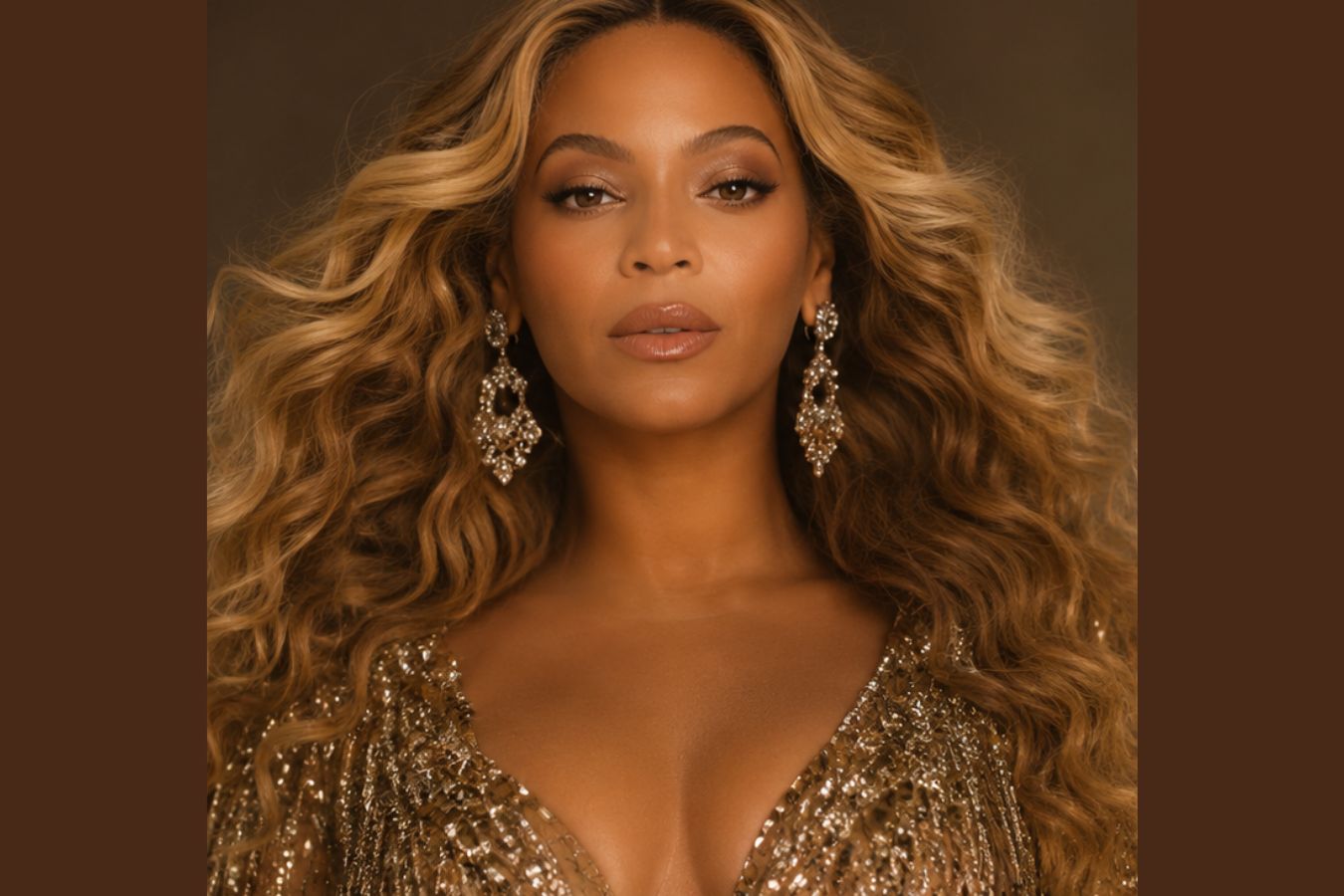
The original B’Day arrived on Beyoncé’s 25th birthday. The anniversary edition arrives on her 45th birthday, exactly 20 years later.
That gives the project a beautiful symmetry.
The young Beyoncé was establishing herself.
The Beyoncé of 2026 is looking back at that young woman from the vantage point of a career that has transformed music, fashion, entertainment and popular culture.
And instead of simply replaying the past, she is remixing it.
Selena represents inspiration and legacy.
Celia Cruz represents cultural history.
Maluma represents the global Latin music present.
The unreleased songs represent the ambitious young artist still finding her way.
And B’Day itself represents the moment when Beyoncé began making it clear that she wasn’t interested in being confined to one box.
Beyoncé’s Musical Circle Gets Bigger
The beauty of the anniversary project is that it doesn’t treat B’Day like a museum piece.
It treats it like living music.
The album’s original energy is still there, but now it has been expanded by artists and influences that reveal how much the world around Beyoncé has changed.
More importantly, it reveals how much Beyoncé herself has changed.
Twenty years ago, she was a 25-year-old superstar with something to prove.
Today, she doesn’t have to prove much of anything.
She can simply open the vault, invite Selena into the conversation, bring Maluma along for the ride, let Celia Cruz’s voice echo through the speakers and remind everyone where this particular chapter began.
On her 45th birthday, Beyoncé isn’t just celebrating B’Day.
She’s celebrating the woman she was, the artist she became and the musical worlds she continues to bring together.
Not a bad birthday present, especially when the whole world gets to unwrap it.