

If you haven’t heard of Brazilian funk (or Baile Funk) yet, you will soon. Pumping hard from the heart of Rio de Janeiro, the genre derived from Miami bass and gangsta rap is blowing up across the world.
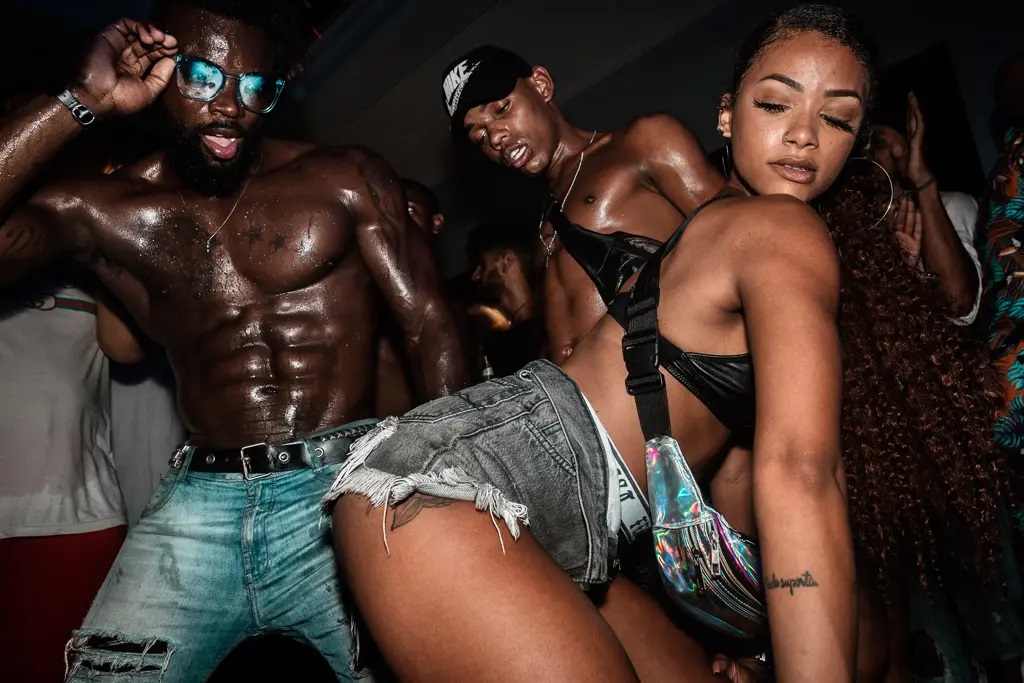
With its infectious looping tamborzão rhythms and raw party anthem lyrics, Brazilian funk is twerking its way to the top of the charts. (After all, twerking is basically the unofficial dance of the genre.) And a rising new generation of funkeiros—Anitta, MC Kevinho, MC Fioti, and Ludmilla among them—are fueling the movement.
Brazilian funk star Anitta (née Larissa de Macedo Machado), who became a breakout sensation after singing in her home city of Rio at the 2016 Olympic Games, is catapulting the Miami bass and gangsta rap-rooted Afro-Brazilian genre into the global spotlight
Last December, just 12 hours after releasing “Vai Malandra” (feat. Tropkillaz & DJ Yuri Martins), the silky-voiced singer laid claim to the first Portuguese-language song to land on Spotify’s Global Top 50 chart.
“It’s a great time for Brazilian funk music because we have some great artists investing in it and producing great hits with funk beats,” Anitta said. “Tropkillaz, Major Lazer, me and many other artists are helping making this moment even hotter. A good example is MC Fioti’s song, “Bum Bum Tam Tam,” that exploded on Spotify. He even made a collab with J Balvin after that. It makes me really happy to see funk getting recognition worldwide.”

Fun Facts Bullet Points:
- Origin in the Favelas: Brazilian Funk originated in the favelas (shantytowns) of Rio de Janeiro in the late 20th century. It has deep roots in the urban culture and social issues of these marginalized communities.
- Blend of Influences: Brazilian Funk is a fusion of various music styles, including samba, hip-hop, and electronic dance music. It incorporates diverse elements to create its unique and energetic sound.
- Prohibition and Censorship: In the 1990s, Brazilian Funk faced censorship and prohibition due to its explicit lyrics and associations with crime. Despite these challenges, the genre persisted and evolved.
- Baile Funk Parties: The genre is closely linked to “baile funk” parties, which are vibrant and high-energy events held in the favelas. These parties serve as important platforms for the expression of Brazilian Funk culture.
- Global Influence: While originally a local phenomenon, Brazilian Funk has gained international recognition and influence. Artists like Anitta and MC Fioti have collaborated with global stars, bringing the genre to a broader audience.
- Diverse Subgenres: Brazilian Funk has diversified into various subgenres, such as funk ostentação, funk melody, and funk consciente, each with its own characteristics and themes.
- Role of Social Media: The rise of social media played a crucial role in the global dissemination of Brazilian Funk. Platforms like YouTube and Instagram have been instrumental in promoting the music and dance associated with the genre.
- Dance Styles: The music is often accompanied by distinctive dance styles, such as the passinho, a complex and dynamic dance that originated in the favelas and became popularized through social media.
- Influence on Global Pop Culture: Brazilian Funk has left its mark on global pop culture, with artists from other countries incorporating elements of the genre into their music. This cross-cultural exchange has contributed to the genre’s continued evolution.
- Socio-Political Commentary: Many Brazilian Funk songs serve as a form of socio-political commentary, addressing issues such as poverty, violence, and inequality. The genre serves as a voice for marginalized communities, expressing their struggles and aspirations.

Empowered by the unparalleled freedom and exponential reach of digital music online, outspoken female Brazilian carioca artists like Anitta—along with protest rapper Karol Conka, feminist icon Valesca Popozuda, 18-year-old São Paulo prodigy MC Rita, and a growing wave of trailblazers like them—have been leading the way toward globalizing the genre. Anitta joins an eclectic cadre of bold voices including Ludmilla, MC Loma e As Gêmeas Lacração—and the list goes on. Click here to read full article