

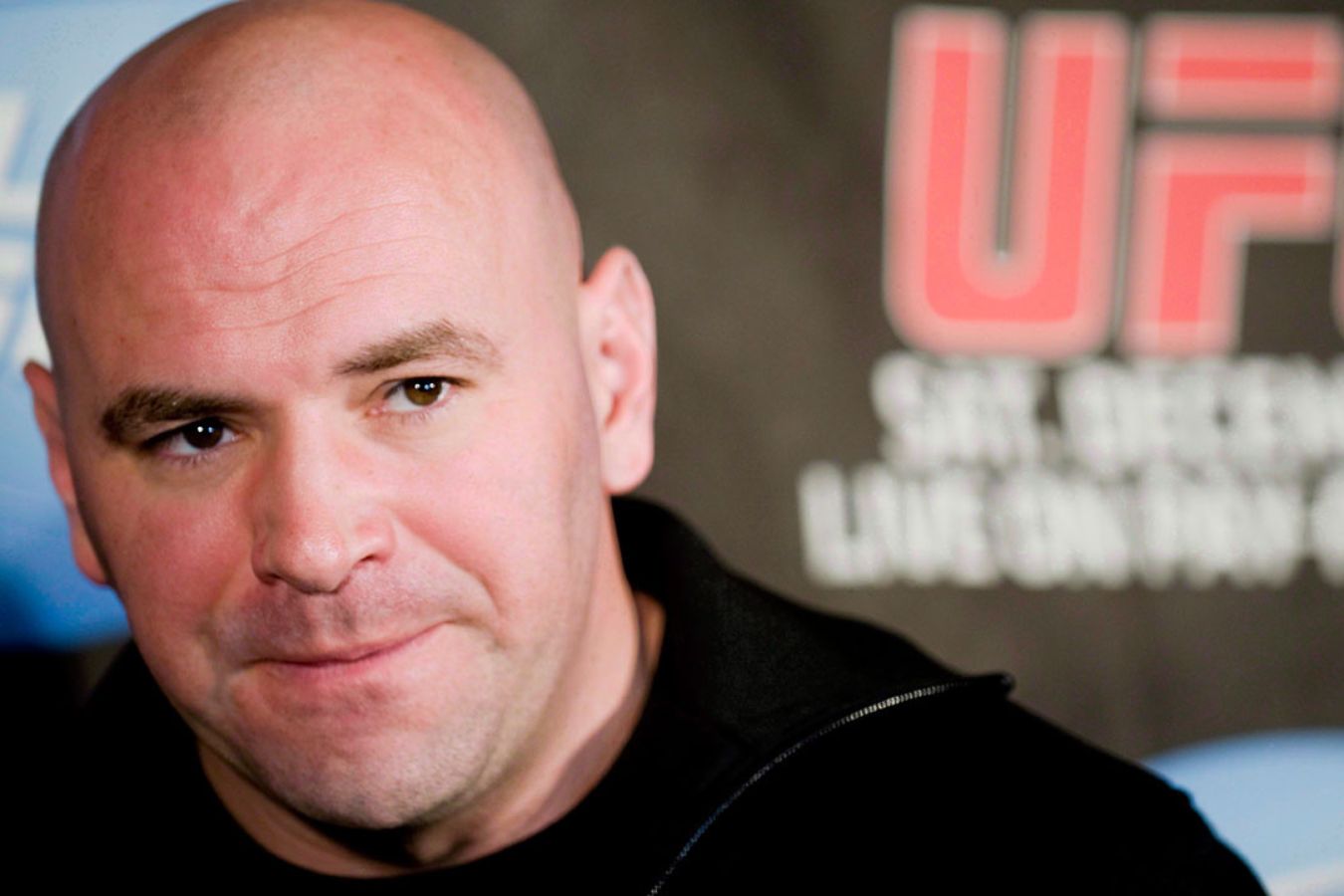
In the fast-paced and often brutal world of mixed martial arts (MMA), Dana White stands out as a beacon of leadership, guiding the Ultimate Fighting Championship (UFC) to unprecedented success. As the long-serving CEO, White has not only weathered the storms of controversy but has also propelled the UFC into the mainstream, transforming it from a niche sport to a global phenomenon. This article explores the reasons why Dana White is widely regarded as a great leader and CEO in the realm of professional fighting.
Vision and Innovation:
One of Dana White’s key strengths as a leader is his unwavering vision for the UFC. Since taking the helm in 2001, he has been a driving force behind the promotion’s expansion and evolution. White’s ability to foresee the potential of MMA as a mainstream sport has been instrumental in the UFC’s meteoric rise. He introduced innovative ideas such as The Ultimate Fighter reality show, providing a platform for fighters to showcase their skills and engage with fans on a personal level. His strategic thinking has consistently pushed the boundaries, keeping the UFC at the forefront of the sports and entertainment industry.
“The hardest thing in life is to know who you are and what you want to do for the rest of your life, but when you do, and you wake up every day excited to work towards that goal”
Resilience in the Face of Challenges:
White’s leadership during challenging times has been nothing short of remarkable. From overcoming financial setbacks in the early 2000s to navigating the COVID-19 pandemic, White has displayed resilience and adaptability. His determination to keep the UFC operational during the pandemic by hosting events in a controlled environment on “Fight Island” demonstrated his commitment to the sport and the fighters. White’s ability to pivot and find solutions in the face of adversity is proof of his effectiveness as a leader.
Read: Meet Mike Beltran UFC Referee, LA sheriff, Marine & Single Parent
Fighter-Centric Approach:
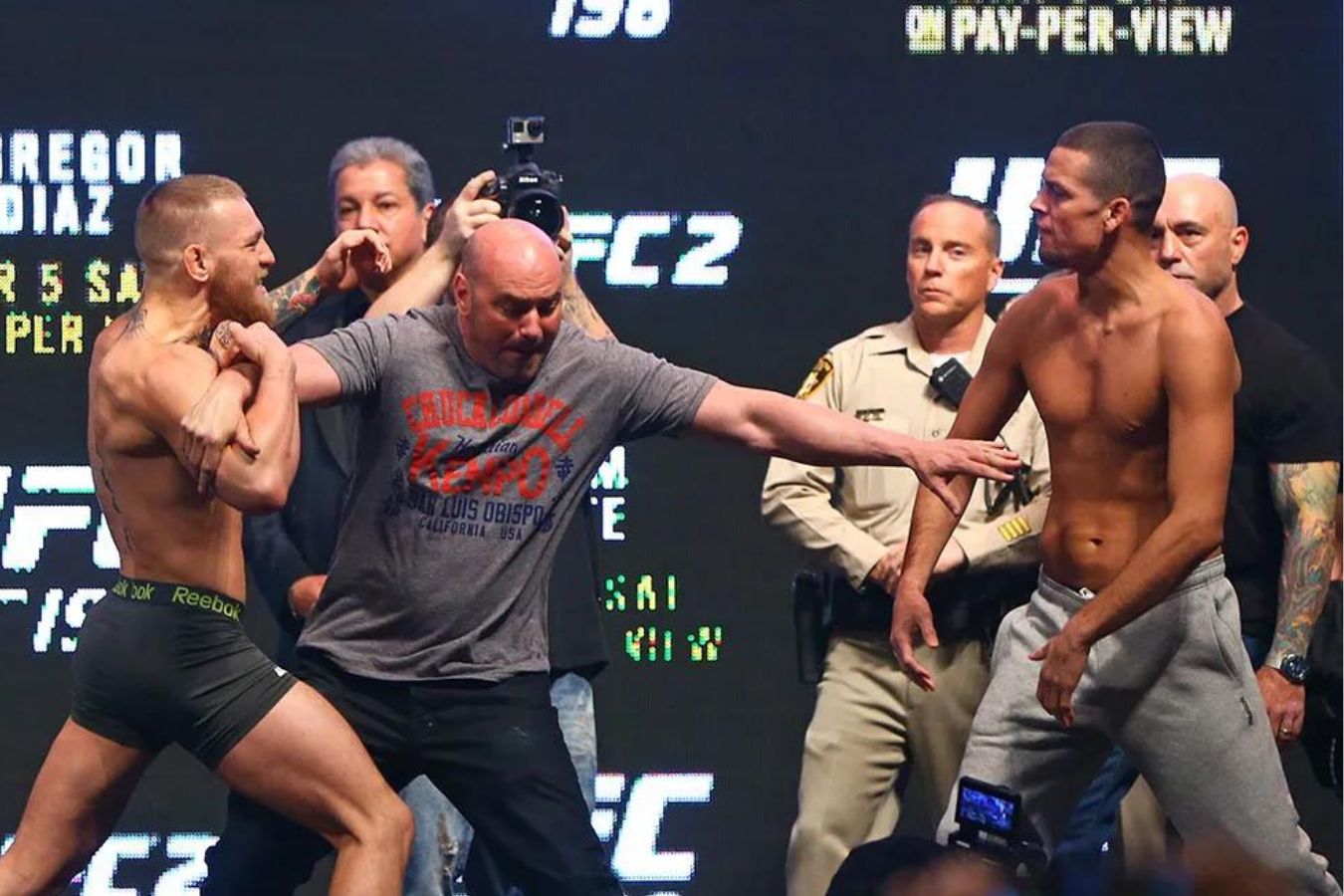
Unlike some executives who may be detached from the athletes in their organization, Dana White has always maintained a fighter-centric approach. He recognizes that the success of the UFC is intricately tied to the success and well-being of its fighters. White’s commitment to providing fair compensation, healthcare benefits, and opportunities for fighters has endeared him to most fighters in the UFC roster. The personal relationships he builds with many fighters further contribute to a sense of camaraderie and loyalty within the organization.
Marketing and Promotion:
White’s marketing prowess has played a pivotal role in elevating the UFC’s profile. His charismatic personality and willingness to engage with fans, media, and critics alike have made him a prominent figure in the sports world. White’s hands-on approach to promoting events and fighters has contributed to the UFC becoming a global powerhouse and the fastest-growing spot. His ability to sell fights and build compelling storylines has not only attracted hardcore MMA fans but has also brought in a broader audience, including casual sports enthusiasts.
“It’s impossible to fail Create a life that you can’t wait to wake up to everyday”
Embracing Change and Evolution:
A great leader can navigate change and embrace evolution. His willingness to adapt the UFC to the ever-changing dynamics of the sports and entertainment industry has been crucial to its sustained success. Whether it’s introducing new weight classes, refining rulesets, or embracing digital platforms for content delivery, White has consistently kept the UFC at the cutting edge.
Read: Alexa Grasso’s Historic Climb To Be UFC’s First Mexican Female Champion
His forward-thinking approach has not only preserved the UFC’s relevance but has also allowed it to thrive in a rapidly changing landscape. UFC was launched in 1993 and purchased for just $2 million in 2001 by casino operators Lorenzo and Frank Fertitta, making Dana White a 10% partner. Chairman and CEO Lorenzo Fertitta said it was nearly bankrupt and “literally going of business” at the time. They sold it to the talent agency WME-IMG for $4 billion in 2016 with the agreement that White would stay on as its leader.
Conclusion:
Dana White’s tenure as the CEO of the UFC has been characterized by visionary leadership, resilience in the face of challenges, a fighter-centric ethos, great marketing skills, and an openness to change. His impact on the sport of MMA and the UFC’s global success is undeniable. While controversies and criticisms may arise, his ability to lead with conviction, innovation, and a genuine passion for the sport makes him a standout figure in the world of sports management. As the UFC continues to break new ground, Dana White’s legacy as a great leader and CEO is sure to endure.