


Bobby Ramirez and Robert Gutierrez didn’t start out trying to change the game. They were just two teenagers with something to prove—rapping for fun, ego, and the love of music. Gutierrez, known by his stage name ODM (One Dope Mexican), spent his school days in Santa Ana and Riverside battling classmates with his rhymes. Meanwhile, Ramirez—who would later become DTTX (Don’t Try To Xerox)—was at home writing lyrics at the dinner table, practicing out loud.
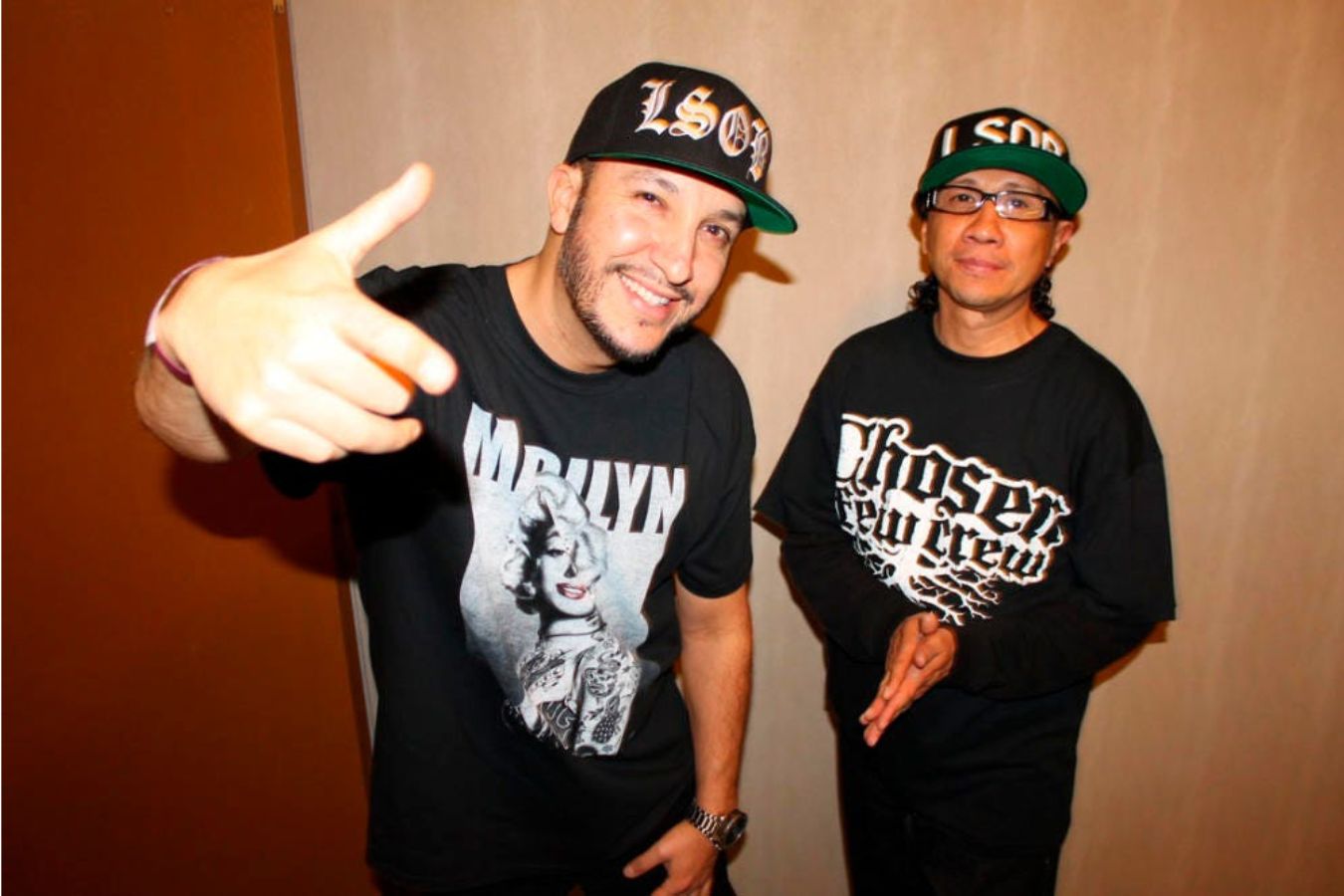
“We were just brag rappers. That’s all it was back then—pure ego,” Gutierrez recalls.
The two didn’t know each other at first, but in 1990, a local music promoter saw their potential and brought them together. That spark lit the fire that became Lighter Shade of Brown—one of the pioneering Chicano hip-hop groups of the ’90s.
Their debut album, Brown and Proud, and its breakout hit “On a Sunday Afternoon” quickly became anthems for Latino youth—not just in Southern California, but across the country. Their music was the soundtrack to backyard barbecues, park hangouts, and family Sundays. And for many, it was the first time they heard their stories reflected in hip-hop.
With the recent passing of Bobby Ramirez in early July, fans are reflecting on the group’s impact—not just as artists, but as cultural trailblazers. “It made hip-hop cooler for Chicanos,” Gutierrez said. “Because now we had someone who looked like us doing it.”

Teen Dream to Cultural Icons
Gutierrez was just 16 when the group formed. Ramirez, a few years older at 20, brought an undeniable energy to the mix. Neither had formal storytelling experience until their manager, Clif Richey, stepped in and helped shape their sound. Inspired by hits like Will Smith’s “Summertime,” Richey pushed them to write music that reflected their own experiences.
That’s how “On a Sunday Afternoon” was born. Filmed at Legg Lake Park in Whittier Narrows, the video painted a vivid picture of laid-back Chicano life—oldies on the radio, kids on the merry-go-round, cruising in the parking lot.
Read: New York’s First Dominican Bishop, Youngest in the US, and He Raps
They didn’t stop there. Lighter Shade of Brown touched on deeper themes: growing up with a single mom, community struggles, AIDS awareness, and even tributes to Mexican revolutionaries like Pancho Villa and Emiliano Zapata.
Their catalog included memorable tracks like “Latin Active” (featuring Latina rapper Teardrop and singer Shiro), “Hey DJ,” and “Homies.” Fans connected not just to the beats, but to the stories and culture behind them.
“When I hear Lighter Shade of Brown, I think of good times,” said fan Ana Anguiano. “From cruising down Laurel Canyon to family BBQs—it was the vibe.”
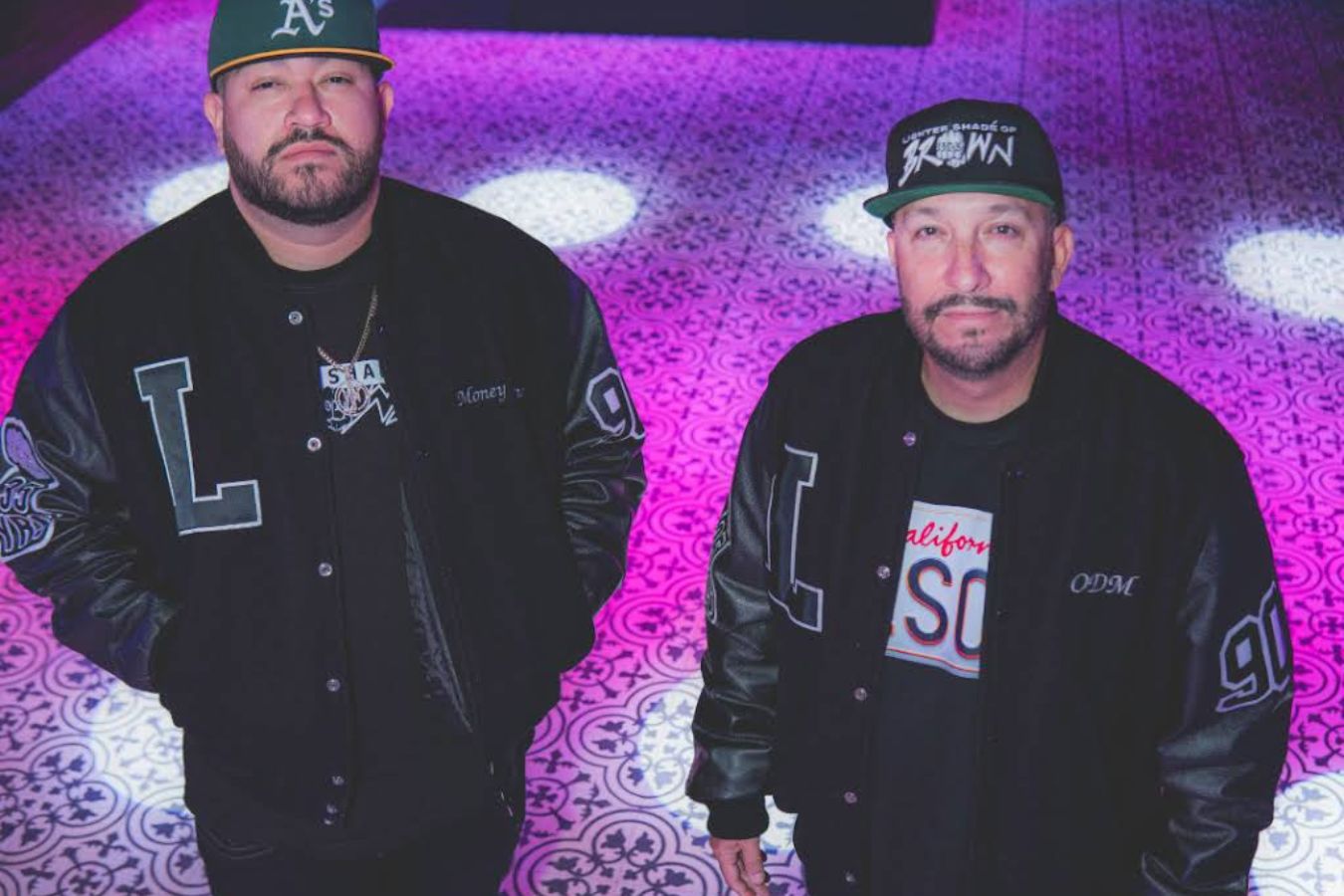
Realizing Their Role
At first, Ramirez and Gutierrez didn’t realize just how much their music meant. It wasn’t until they started getting invited to perform at college rallies and Chicano Studies events that the message sank in.
“I remember thinking, ‘Why are we here?’” Gutierrez laughed. “I was only 17. But those events educated us. That’s when I started thinking, ‘Maybe I should start writing about this stuff.’”
Read: Doctor by Day, Rapper by Night: Meet PJ Sin Suela
The Legacy Continues
As ’90s nostalgia returned, so did demand for Lighter Shade of Brown. The duo was doing shows again—two to three a month—hitting cities like San Diego and Fresno. A new reality show about their journey was even in the works.

Gutierrez eventually found a career in radio, while Ramirez stuck with music full-time. “He had that fire in him,” Gutierrez said. “Music was what he lived for.”
Ramirez’s mother, Barbara, echoed that sentiment: “He believed in his gift. He felt happiest on stage, connecting with people.”
After his father’s passing in 2000, Ramirez went through hard times and struggled with alcoholism. Still, he kept returning to the stage whenever he could. “He had his off days,” Gutierrez said, “but when he was on, he reminded everyone why he belonged there.”