

“My revolution is born out of Love for my people, not out of hatred for others” – Immortal Technique
Born Felipe Coronel in a military hospital in Lima, Peru in 1978, Immortal Technique moved to Harlem with his parents when he was two years old.
At age nine he started rapping, though he didn’t take it seriously until he was in high school. Despite the fact he was in and out of trouble throughout his teen years.
Tech was accepted at Penn State University, but before he could get through much of college, he was arrested and eventually ended up spending a year in prison.
It was there that he began to study the lives and teachings of Black and Latino revolutionaries like Che Guevara and Malcolm X, as well as to devote himself to writing songs.
Out in 1999 and on parole, he took political science classes at Baruch College in New York City for two semesters at the behest of his father, who allowed Coronel to live with him on the condition that he went to school.
Tech was unable to find decent wage-paying employment after his release, he began selling his music on the streets of New York and battling with other MCs.
This, together with his victories in numerous freestyle rap competitions of the New York underground hip hop scene such as Rocksteady Anniversary and Braggin Rites, led to his reputation as a ferocious Battle MC and gave him a level of fame and notoriety.
In 2001, Immortal Technique released his first album Revolutionary Vol. 1, the success of his debut album helped grow his fame and popularity, he eventually collaborated with famous artists such as Dead Prez, Mos Def, and Chuck D of Public Enemy. His brutal song “Dance with the Devil” is what he mostly became known for.
Revolutionary, Vol. 1, was later re-released by his own company, Viper Records, in 2004 and Babygrande in 2005.
The record, plus Tech’s indefatigable work ethic, earned him local recognition and a spot as The Source’s “unsigned hype” in November 2002.
The following year he issued his second album, Revolutionary, Vol. 2. Although he promised his third release would see the light of day in 2005.
Between 2005 and 2007 Immortal Technique began working on The Middle Passage and The 3rd World, the two albums that would serve a follow up to Revolutionary Vol. 2 and complete the series.
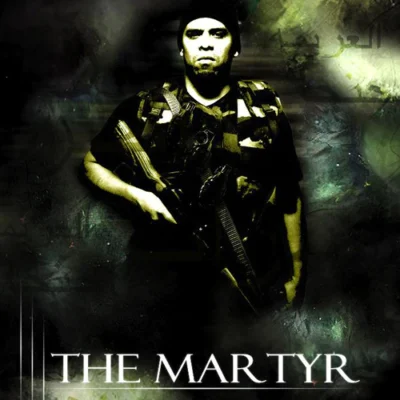
He was also featured on several movie soundtracks and video game soundtracks, all the while touring relentlessly. In October 2011, Immortal Technique released The Martyr, a free compilation album of previously unreleased material and new tracks.
How did living in Harlem shape your attitude to the music and culture? and what is the New York music scene right now?
Technique: Harlem is obviously a much different place than it used to be. It was once a place full of much more music in general, and the culture of Hip Hop wasn’t relegated to headphones and the occasional award show at the Apollo. I remember when the Apollo did regular gigs, and, when there was an abundance of record stores in the area and boom boxes all over.
The story behind Immortal technique’s song ‘Dance with the Devil’:
There are a few songs in the realm of hip hop that unfurl a story better than most novels. That’s not always to say the stories are nice though, as Immortal Technique’s classic ‘Dance with the Devil’ will confirm.
Perhaps one of the most troubling songs in hip hop history, Immortal Technique uses the track to tell the story of a heinous rape. Built out of the notions of gang initiation, Technique uses some of his most brutal lyrics to showcase some of the rawest and revolting parts of street culture.
The song sees a man join a gang at the lowest depths of his life. When faced with a gang initiation that involves attacking and raping a woman, the man concedes and follows through on the foul act.

Technique then switches the pace of the song, which had previously noted a vulnerable if not violent tone, to something far darker as the initiation, is completed and the attacked woman is revealed to be his mother.
Naturally, consumed with guilt and grief, the man falls into depression and kills himself, making this tracks words some of hip hop’s most brutal lines.
Immortal Technique is regarded as one of hip hop’s most underrated rappers, in ‘Dancing with the Devil’, he delivers one of the genre’s most potent and powerful songs of all time.
Released on his 2001 album Revolutionary Vol. 1, the song will go on to define the artist’s legacy.
Immortal Technique, the activist:
Immortal Technique visits prisons to speak to youth and working with immigrant rights activists, and raising money for children’s hospitals overseas. He created a writing grant program for high-school students as well.
In June 2008, Immortal Technique partnered with Omeid International, a non-profit human rights organization, and dubbed the work as “The Green Light Project”.
With the profits of the album The 3rd World, he traveled to Kabul, Afghanistan, to help Omeid build an orphanage without any corporate or external funding. The orphanage, having been successfully established, currently houses over 20 orphaned children from Kabul.
Lin Manuel Miranda:
In a podcast interview, famed songwriter, actor, playwright and filmmaker . Lin-Manuel Miranda, known for creating the Broadway musicals Hamilton and In the Heights among others.
Brought up his childhood bully, rapper Immortal Technique. Apparently, the rapper, who, like LMM, was a gifted kid of color who traveled from another neighborhood to attend their tony Upper East Side arts high school used to “torture” people and throw them in garbage cans.
These days, people rightly take bullying very seriously, so naturally the story quickly turned into “mean scary rapper bullies America’s beaming light of hope, Lin-Manuel Miranda.”
This led to fans of Technique setting up a Change.org petition asking him to throw Miranda in the garbage again.
Immortal Technique and Lin-Manuel, however, are friendly and proud pals, which Technique brought up both on Twitter (wherein he asked his fans to take the petition down) and in a long statement to Complex magazine. It said in part:
“We have always been very proud of each others’ success, and we even joked about these articles with each other on Twitter over the weekend.
To this day, I’m appreciative to say that we are friends, we are both staunch supporters of immigrant rights, and we will continue the fight against bigotry in our respective ways.
I guess I could’ve taken the humorous route and said something like, ‘And you thought it was hard for YOU to get tickets to Hamilton.’
Tech was also very careful to say, in the statement and over Twitter, that he takes bullying seriously, and that he was “a different person back then.” For his part, the always ebullient LMM put it simply in his tweet below.
Don't fall for the clickbait headline,
Nothing but love for @ImmortalTech, a voice for the voiceless in his music, always.
Pa'lante 'mano.— Lin-Manuel Miranda (@Lin_Manuel) November 15, 2016
Bullet Point Recap:
- Real Name: Immortal Technique’s real name is Felipe Andres Coronel. He was born on February 19, 1978, in Lima, Peru.
- Activism: Beyond his music, Immortal Technique is known for his activism. He has been involved in various social and political causes, addressing issues such as poverty, inequality, and government corruption in his lyrics and public appearances.
- Peruvian Roots: Immortal Technique spent part of his childhood in Peru before moving to Harlem, New York. His diverse cultural background is reflected in his music, where he often explores global issues.
- Incarceration: He has experienced incarceration and has mentioned it in his songs. This aspect of his life has influenced his perspectives on the criminal justice system, and he advocates for reform.
- Independent Success: Immortal Technique is a strong advocate for independent artists. He achieved remarkable success without the support of major record labels, relying on grassroots promotion and selling his music independently.
- Lyrically Intense: Known for his complex and thought-provoking lyrics, Immortal Technique delves into subjects like politics, war, and socio-economic issues. His wordplay and storytelling contribute to his reputation as a highly skilled lyricist.
- Educational Background: Despite facing challenges, Immortal Technique pursued education. He attended Pennsylvania State University but left before completing his degree to focus on his music career.
- The 9/11 Controversy: Immortal Technique’s song “Bin Laden” generated controversy for its lyrics that questioned the official narrative of the 9/11 attacks. He is known for expressing dissenting views and encouraging critical thinking among his listeners.
- Humanitarian Efforts: In addition to his activism, Immortal Technique has been involved in humanitarian efforts. He has been part of initiatives to provide aid and support to communities in need, showcasing a commitment to positive social change.
- Film Appearance: Immortal Technique made a cameo appearance in the critically acclaimed documentary “This Revolution” (2005), which explores the political climate during the 2004 Republican National Convention in the United States.