

Rosalía: From Spanish Roots to Global Pop Phenomenon
Long before she was setting stages ablaze and collaborating with the biggest names in music, Rosalía Vila Tobella was just a curious and passionate girl from Sant Esteve Sesrovires, a small town outside of Barcelona, Spain. Today, she’s a genre-defying sensation who’s rewriting the rules of pop, flamenco, and everything in between. Today Rosalía is Spain’s Genre-Bending Global Music Rebel.

The Humble Beginnings of a Star
Born on September 25, 1992, Rosalía grew up in a working-class Catalan household that deeply valued culture and creativity. Her father was in construction, and her mother, who later became her manager, was pivotal in supporting Rosalía’s artistic ambitions. By age 7, Rosalía had already shown a strong interest in music, singing at family gatherings and experimenting with melodies.
Her big break didn’t happen overnight. Rosalía spent years honing her craft. At age 13, she began formal training in flamenco, a genre rooted in deep Spanish tradition and emotion. She enrolled in Barcelona’s Catalonia College of Music, one of the few non-Gypsy students to fully immerse herself in flamenco studies. There, she studied under the legendary Chiqui de La Línea, who pushed her to understand the essence of flamenco beyond just rhythm and technique.
Carving Her Own Path
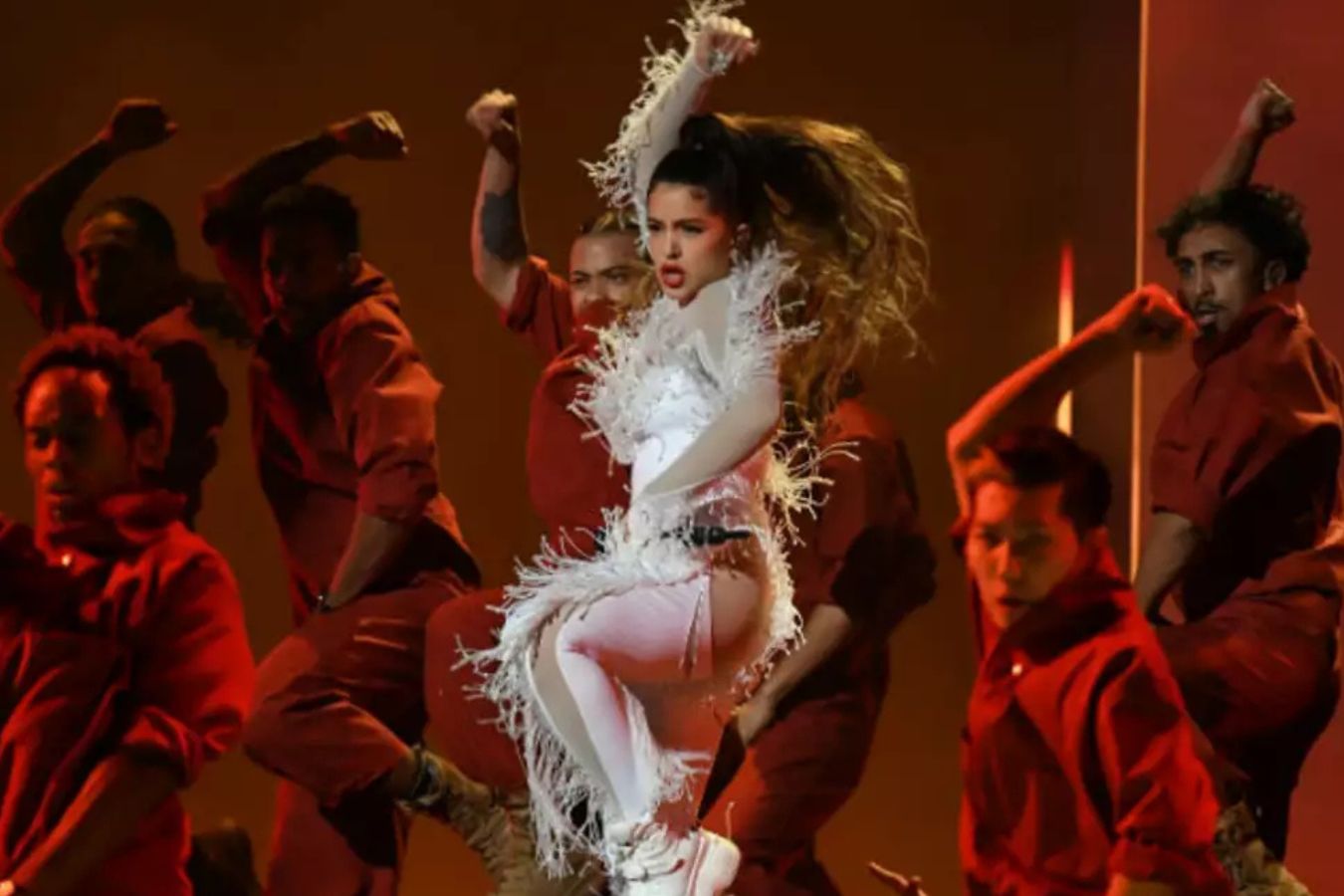
What sets Rosalía apart is her refusal to stay inside any one musical box. Early on, she was heavily influenced by flamenco greats like Camarón de la Isla, but she also drew inspiration from American R&B, hip-hop, and reggaeton. She grew up listening to artists like Björk, Kanye West, TLC, and Lauryn Hill, which helped mold her unique sonic identity.
Her debut album, Los Ángeles (2017), was a raw, minimalist take on traditional flamenco with a modern twist. But it was her sophomore project, El Mal Querer (2018), that turned the music industry on its head. The album, which she created as her college thesis, fused flamenco with trap, reggaeton, and electronic sounds. Tracks like “Malamente” and “Pienso en tu Mirá” not only became hits but redefined how global audiences saw Spanish music.
Rosalía wasn’t just making music—she was creating art with deep cultural references, layered storytelling, and visuals that felt both ancient and futuristic.
Read>>The Bronx: Birthplace of Rap, Salsa, and Modern-Day Bachata
Struggles and Criticisms
Rosalía’s rise to fame wasn’t without challenges. As a non-Romani woman performing flamenco, she faced criticism for cultural appropriation—a debate that sparked conversations about who gets to participate in traditional art forms. While she’s always acknowledged the roots of flamenco and her teachers, the controversy pushed her to continually evolve her sound and make sure she uplifted voices from within those communities.
She also had to fight against the industry’s expectations. Being a Spanish-speaking woman trying to break into the Anglo-dominated global pop scene meant constantly proving herself. But instead of conforming, she leaned into her roots even harder. Her 2022 album Motomami was a bold, genre-blurring work of art that fused reggaeton, bachata, experimental pop, and jazz influences. It earned her critical acclaim and multiple Latin Grammy Awards.
More Than Just a Voice
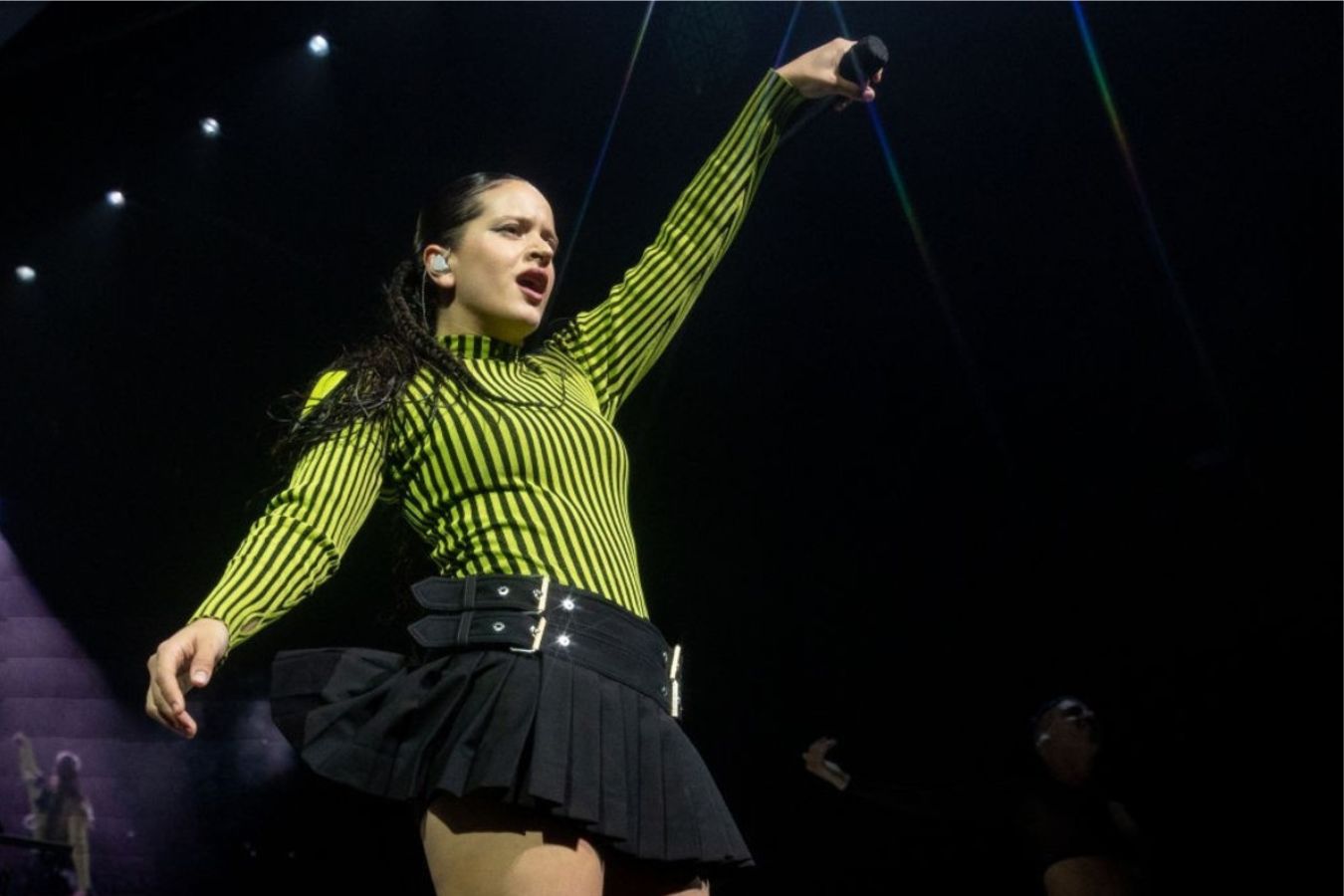
Beyond the music, Rosalía is known for her bold fashion, avant-garde visuals, and empowering messages. She embraces femininity and strength, often flipping traditional narratives in her lyrics and visuals. Whether she’s performing in a flamenco-inspired outfit or riding a motorcycle in a futuristic music video, she controls her image with fierce independence.
In a male-dominated industry, Rosalía has carved out space as a powerful and original artist who doesn’t just follow trends—she creates them. Her collaborations with artists like Bad Bunny, The Weeknd, Travis Scott, and J Balvin show her ability to flow seamlessly between genres and cultures without losing her unique voice.

The Future is Rosalía
Rosalía’s journey from a tiny Catalan town to the stages of Coachella and beyond is a testament to what happens when tradition meets innovation. She’s not just representing Spain on the global stage—she’s expanding what it means to be a Latin artist today.
Her story is one of passion, persistence, and power. And she’s just getting started.