


Gabriel Garcia Marquez: A Life in Magical Realism
Gabriel Garcia Marquez, affectionately known as “Gabo,” is one of the most beloved literary figures of the 20th century. His rich, magical realism brought the vibrant culture and tumultuous history of Latin America to life for millions of readers around the globe. To understand the genius behind masterpieces like One Hundred Years of Solitude and Love in the Time of Cholera, we must delve into the life that shaped his extraordinary storytelling.

Early Life and Childhood
Gabriel Garcia Marquez was born on March 6, 1927, in the small town of Aracataca, Colombia. His upbringing in this coastal town, surrounded by lush banana plantations and steeped in local legends, profoundly influenced his narrative style. Gabo was raised primarily by his maternal grandparents, whom he fondly credited with sparking his imagination. His grandfather, a retired colonel, regaled him with stories of the civil wars that had ravaged Colombia, while his grandmother filled his head with tales of ghosts, spirits, and premonitions. This blend of reality and folklore became the hallmark of his writing.
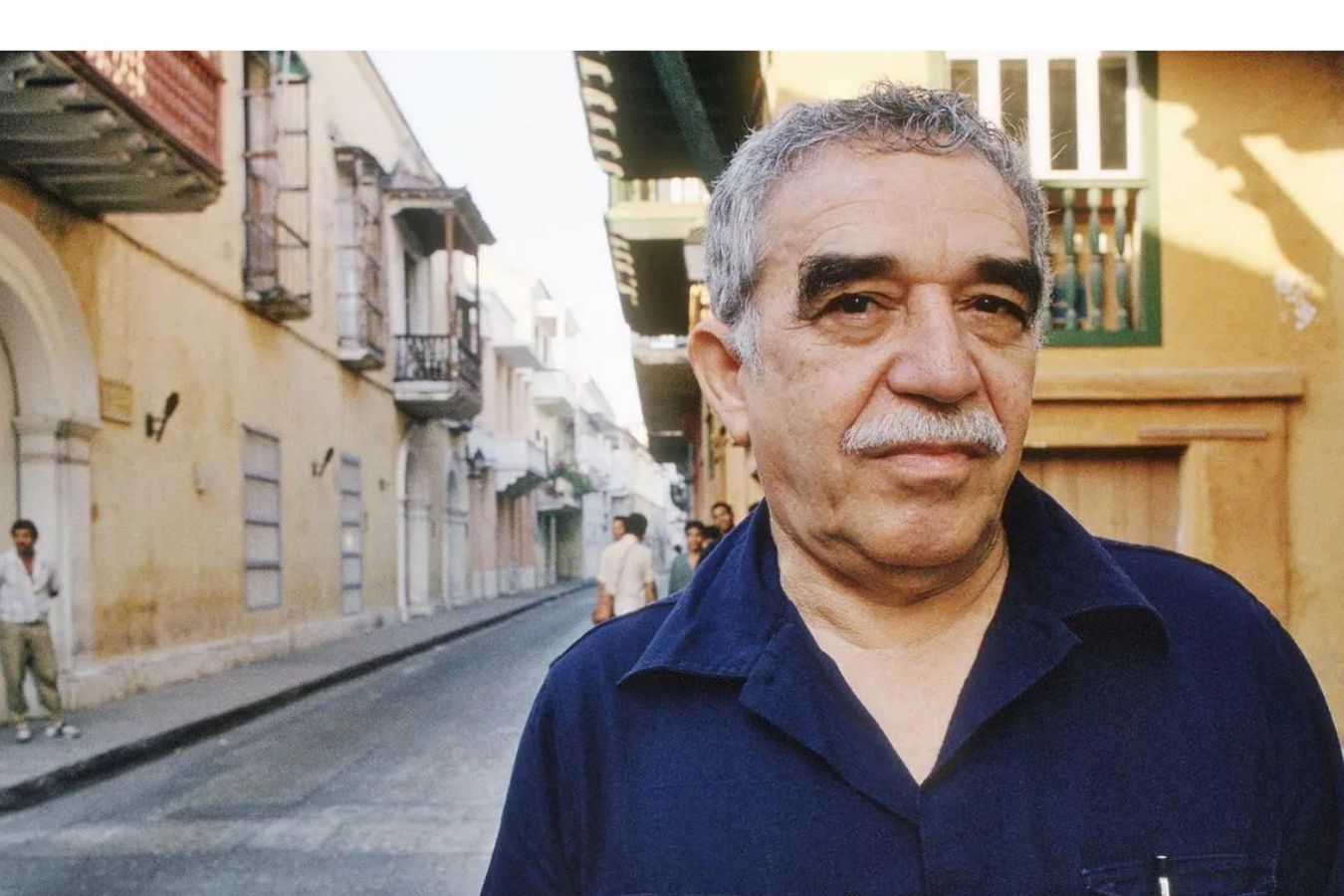
Inspirations and Early Challenges
The rich tapestry of his childhood stories and the turbulent political landscape of Colombia served as the bedrock for Marquez’s literary endeavors. However, his path to becoming a writer was fraught with obstacles. After finishing high school, Marquez pursued law at the National University of Colombia in Bogotá, but his heart was never in it. Instead, he found himself drawn to journalism, a field that allowed him to explore his love for storytelling and social justice.
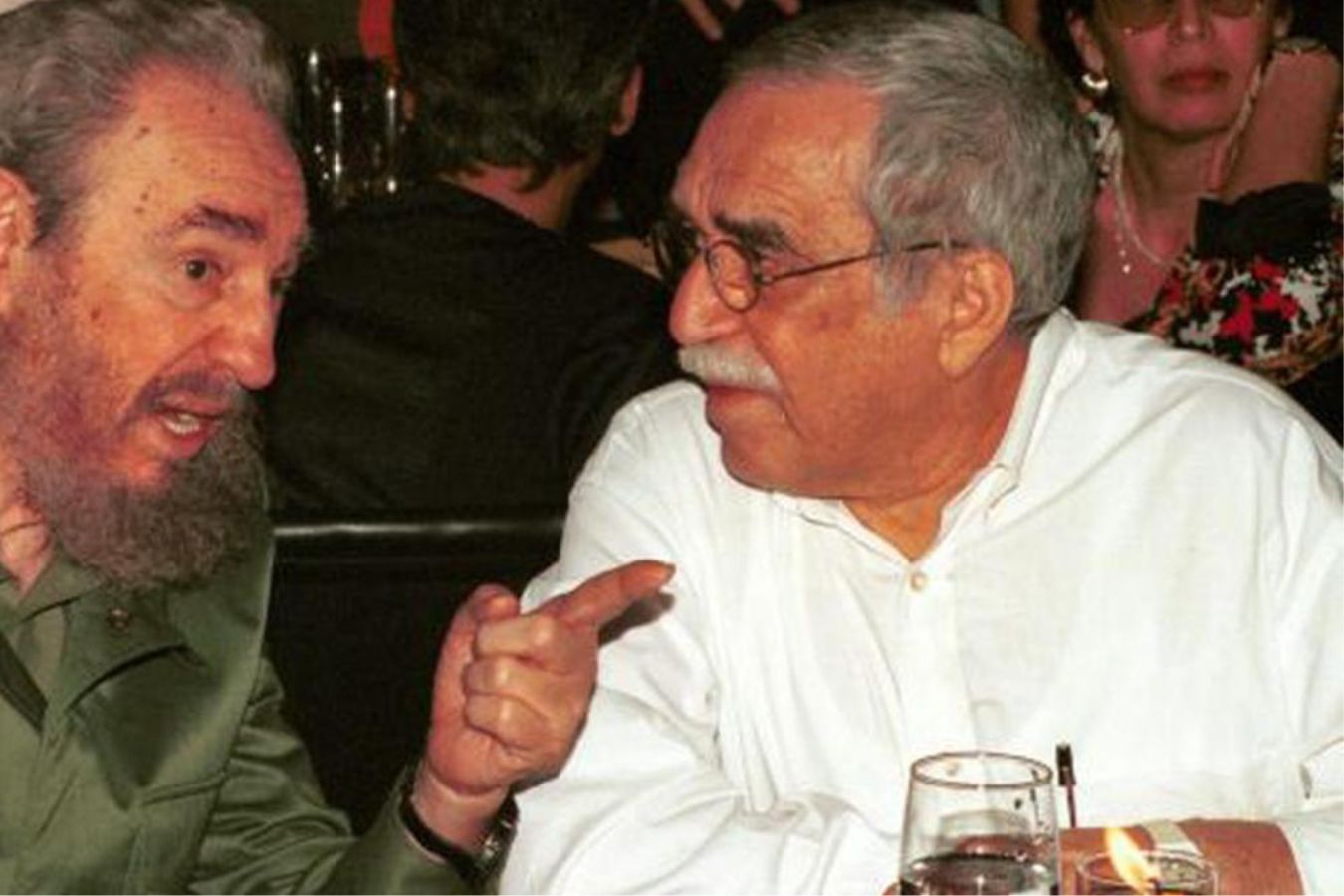
Financial instability marked Marquez’s early career. He juggled various jobs, including working as a reporter and editor for several newspapers, while trying to support his family. His journalistic work exposed him to the harsh realities of Latin American politics and society, which later seeped into the themes of his novels.
Literary Breakthrough and Success
Marquez’s first major success came in 1967 with the publication of One Hundred Years of Solitude. This novel, which tells the multi-generational story of the Buendía family in the fictional town of Macondo, catapulted him to international fame. The book’s blend of magical realism, intricate narrative, and profound exploration of human nature resonated with readers worldwide, earning Marquez the prestigious Rómulo Gallegos Prize in 1972.

Following this breakthrough, Marquez continued to enchant readers with his masterful storytelling. Love in the Time of Cholera (1985), a poignant tale of love and longing, further solidified his reputation as a literary giant. This novel, inspired by his parents’ courtship, explored themes of love, aging, and fidelity, showcasing his ability to weave deeply personal experiences into universal narratives.
Struggles and Later Life
Despite his success, Marquez faced significant challenges. His outspoken views against Latin American dictatorships made him a target of political scrutiny. In the 1980s, he was forced into self-imposed exile in Mexico and Spain, where he continued to write and advocate for political and social change.
In 1982, Marquez was awarded the Nobel Prize in Literature. The Nobel Committee praised his work for its richness and humanity, particularly highlighting his ability to create a world that reflected both the everyday life and the fantastical elements of Latin America.
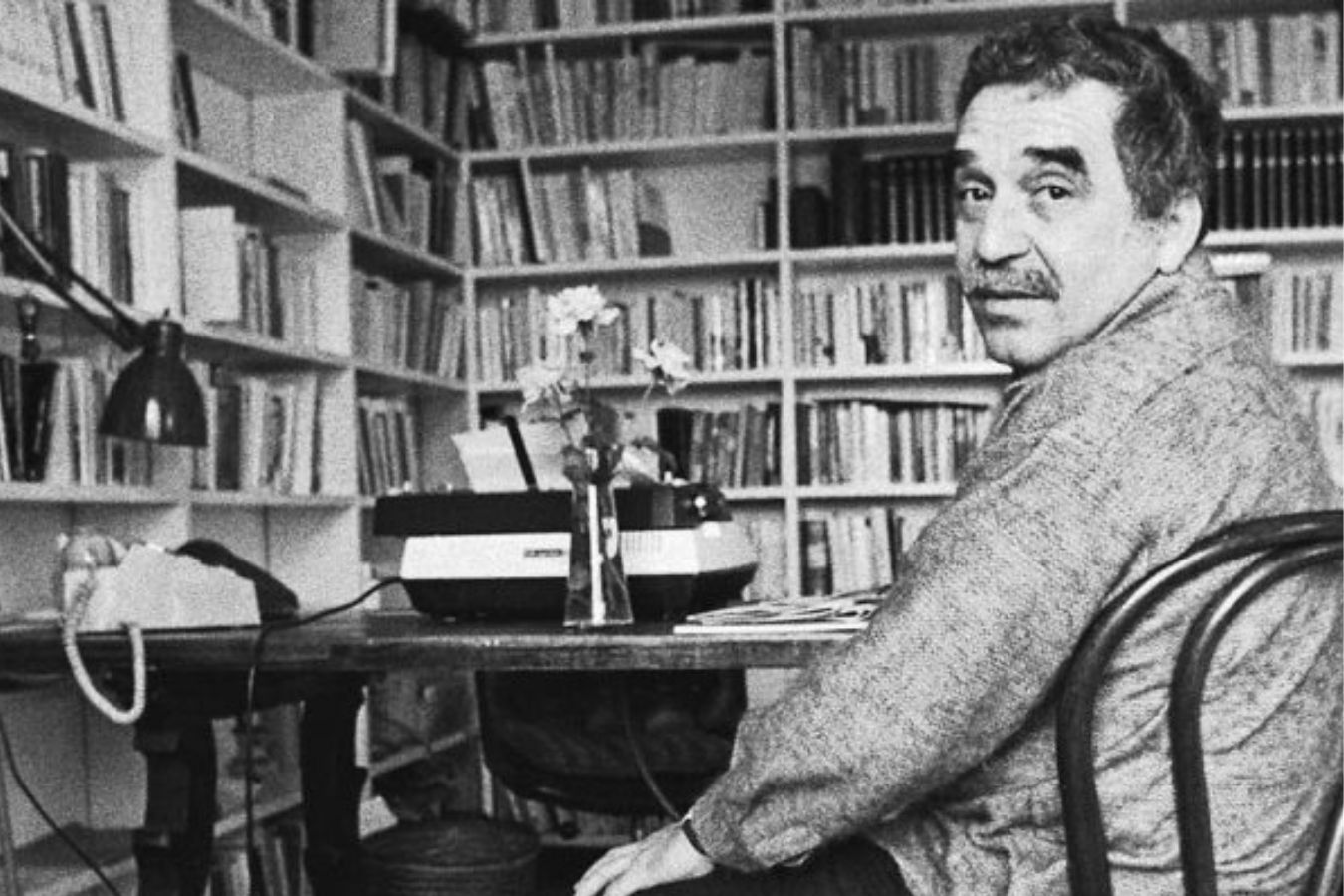
Marquez’s later years were marked by health struggles, including a battle with lymphatic cancer. He passed away on April 17, 2014, in Mexico City, leaving behind a legacy of unparalleled literary contributions.
Major Works
Gabriel Garcia Marquez’s bibliography is a testament to his prolific and diverse talent. Here is a list of his most notable works:
- Leaf Storm (1955)
- No One Writes to the Colonel (1961)
- In Evil Hour (1962)
- One Hundred Years of Solitude (1967)
- The Autumn of the Patriarch (1975)
- Chronicle of a Death Foretold (1981)
- Love in the Time of Cholera (1985)
- The General in His Labyrinth (1989)
- Of Love and Other Demons (1994)
- Memories of My Melancholy Whores (2004)
Legacy
Gabriel Garcia Marquez’s works continue to inspire and captivate readers around the world. His ability to blend the mundane with the magical, the political with the personal, created a unique narrative style that has influenced countless writers and storytellers. Marquez not only provided a voice for Latin America on the global stage but also invited readers to see the world through the enchanting lens of magical realism.
In celebrating Marquez’s life and legacy, we remember a man whose stories transcended borders and time, leaving an indelible mark on the literary world. His tales of love, loss, and resilience continue to resonate, reminding us of the enduring power of storytelling.