

Picture this: you stroll into a U.S. grocery store, grab a bunch of bananas, and chances are they sport a snazzy blue Chiquita sticker. Most folks, even the eco-conscious, might not connect their fruity indulgence with a corporate history steeped in oppression. Enter Chiquita Brands International, once the notorious United Fruit Company (UFC). This banana behemoth played puppeteer in Latin American politics, safeguarding its banana empire. The aftermath? A legacy of destabilized nations, sexist branding, and a dire need for a fresh take on sustainable consumption.
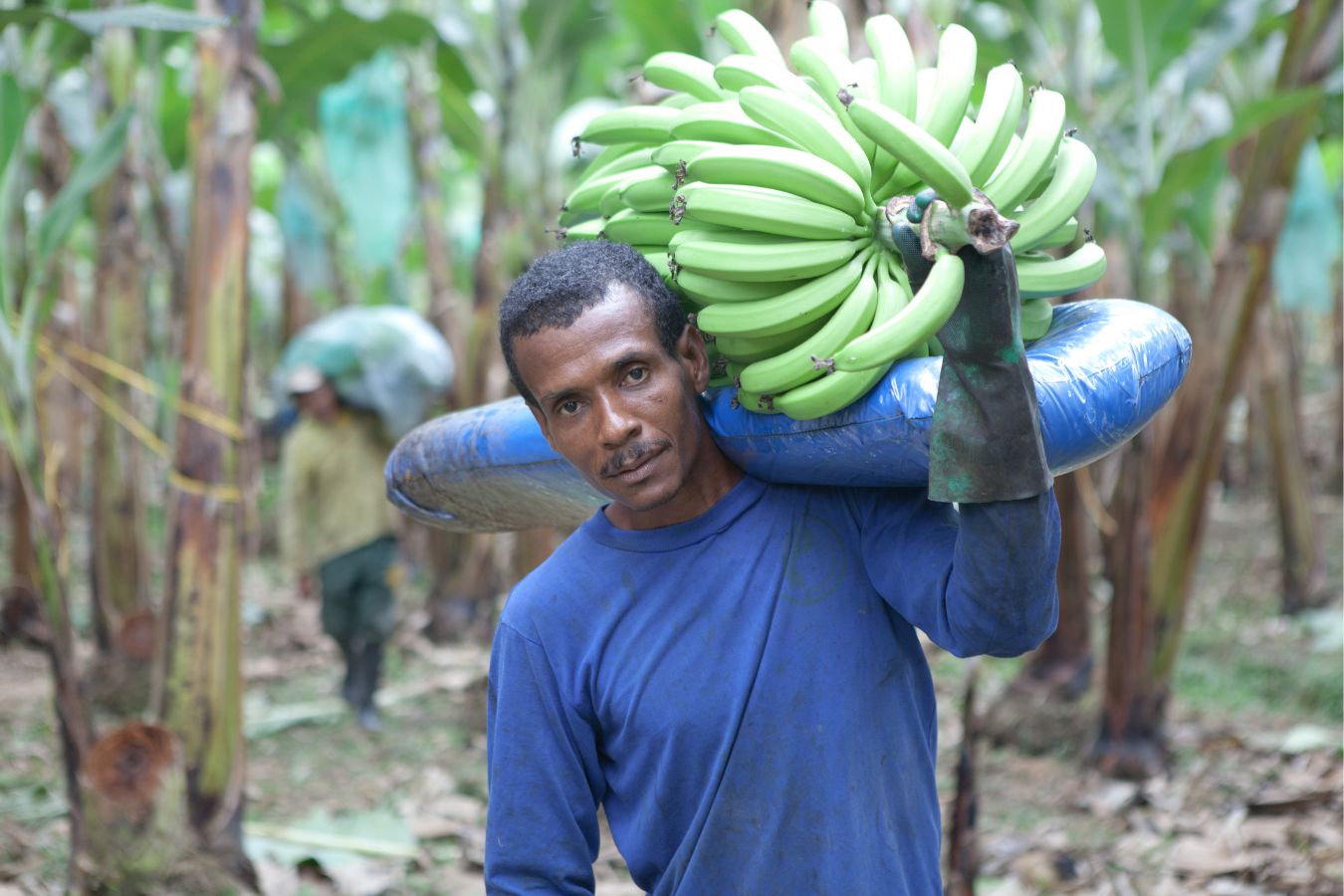
The UFC hit its peak villainy in 1954, orchestrating a military coup in Guatemala to protect its interests. President Arbenz got the boot, setting off a civil war lasting until 1996. Guatemala bore the brunt, with the UFC monopolizing over 75% of banana exports and owning vital infrastructure. Indigenous workers toiled in poverty, denied access to basic necessities.
According to Britnnica, the definition of a Bannana Republic is: A , derogatory term for a country that has an economy dependent solely on revenue from exporting a single product or commodity. As a result, such countries are typically controlled by foreign-owned companies or industries.
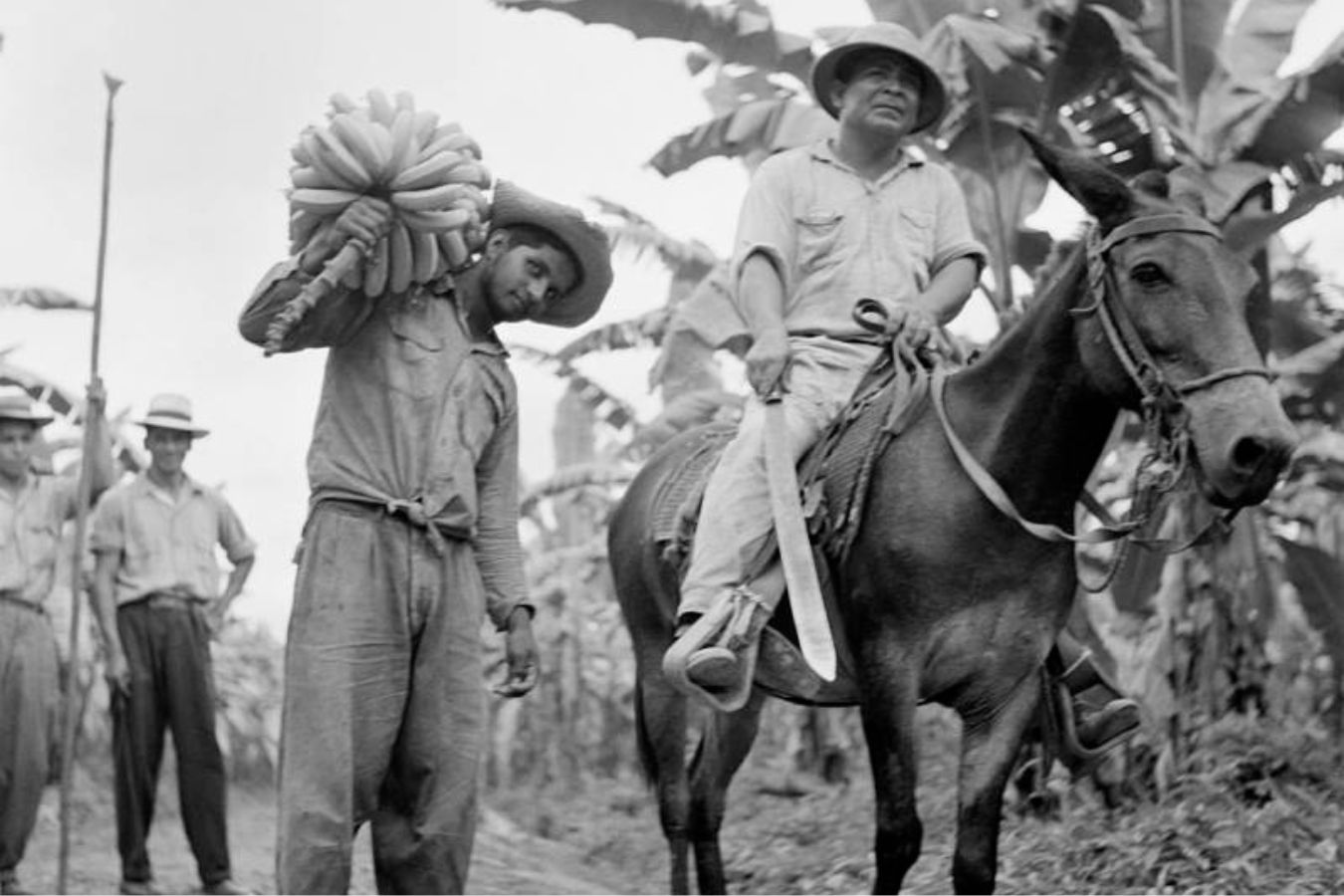
Not content with exploiting Guatemala, the UFC set its sights on Colombia. The 1928 Banana Massacre saw 32,000 plantation workers striking for fair pay. The response? A brutal crackdown, reminiscent of the American South’s plantation shop system.
Fast forward to the 1990s and early 2000s, Chiquita Banana, seeking to safeguard its operations, made hefty payments to the United Self-Defense Forces of Colombia (AUC), a right-wing paramilitary group infamous for human rights violations.

These payments, disguised as “security expenses,” totaled over $1.7 million between 1997 and 2004. The collaboration with the AUC hit squads became public knowledge, leading to Chiquita Banana pleading guilty in 2007 to supporting terrorism and agreeing to pay a $25 million fine.
Read: It Really Rains Fish in Honduras & it’s Known as Lluvia de Peces
Chiquita’s midcentury rebrand attempted to bury the UFC’s violent past. Yet, the new image perpetuated harmful stereotypes. The Miss Chiquita Banana logo objectified Latin American women, maintaining unrealistic ideals. This rebranding didn’t erase the racist roots, as seen in early commercials mocking African caricatures.
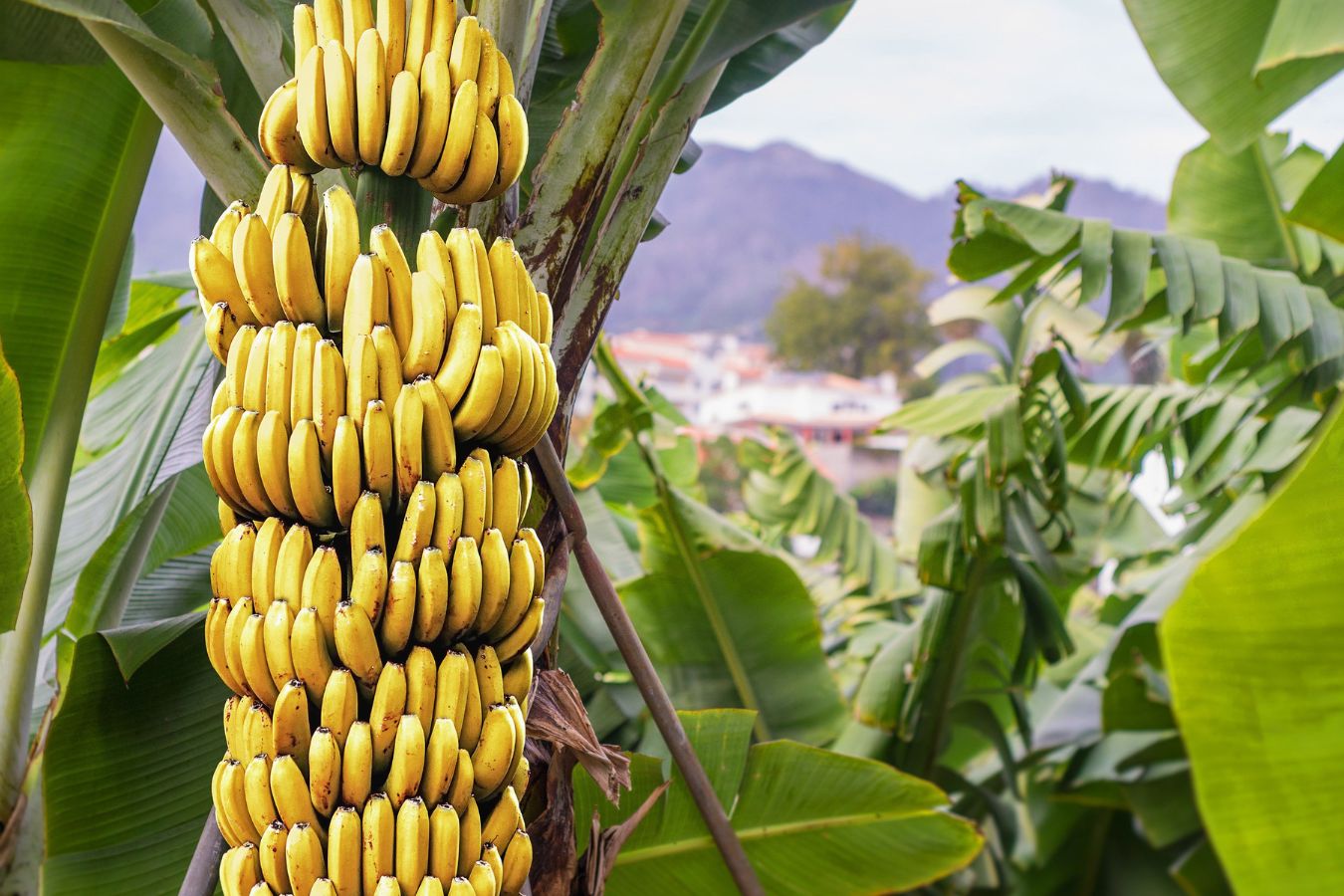
Despite the facelift, Chiquita clings to its banana monopoly in Central and South America. The lesson? Our choices as consumers go beyond environmental impact. Corporate consciousness matters. Awareness could have curbed the UFC’s oppressive actions. Sustainable consumption isn’t just about where your food comes from; it’s about who benefits and who suffers from your choices.
DISCLAIMER:
Opinions expressed here do not represent LatinTRENDS editorial views. These are individual perspectives reflecting contributors’ opinions, separate from editorials and the University community.