

Former U.S. Special Forces Now Leading Cartel Paramilitaries
How Elite U.S. Soldiers Are Strengthening Drug Cartels? In a stunning development that underscores the evolving nature of transnational organized crime, former U.S. Special Forces operators—Green Berets, Delta Force, Navy SEALs, and Army Rangers—are reportedly leading paramilitary wings of some of the world’s most powerful drug cartels. This alarming trend raises significant national security concerns as highly trained ex-military personnel apply their elite skills to criminal enterprises, making cartels more sophisticated, deadly, and capable than ever before.
The Transition from Battlefield to Cartel Warfare
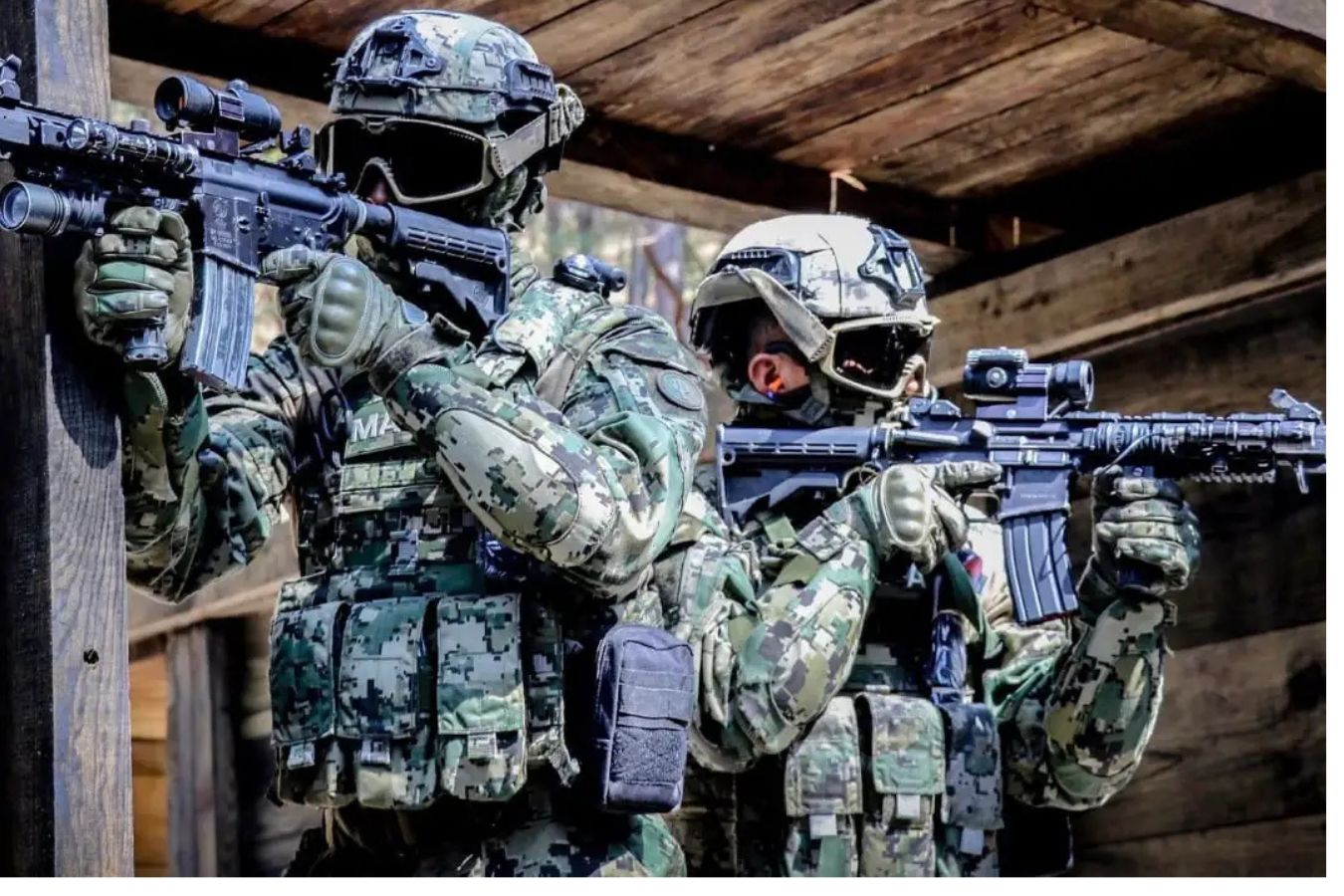
The presence of ex-U.S. military operatives in cartel leadership roles is not entirely surprising. Many elite soldiers, upon leaving service, struggle to reintegrate into civilian life. The lack of stable employment, financial difficulties, and, in some cases, disillusionment with the government can drive these former warriors to seek alternative means of income. Cartels, flush with cash and in constant need of advanced tactical expertise, present an enticing opportunity.
Mexican and South American cartels have long sought to enhance their combat capabilities, recruiting military-trained individuals from various countries. However, the recruitment of former U.S. Special Forces personnel marks a dangerous escalation. These operatives bring expertise in unconventional warfare, counterinsurgency, reconnaissance, and high-level weapons training—skills that dramatically increase the efficiency and lethality of cartel enforcers.

How Ex-Special Forces Are Changing Cartel Operations
The integration of former U.S. elite soldiers into cartel structures has led to several tactical improvements:
- Advanced Training & Discipline: Cartel paramilitary groups now employ battlefield tactics typically reserved for military engagements. This includes ambush techniques, urban warfare strategies, and sophisticated counter-surveillance measures.
- Strategic Planning: Instead of relying on brute force, cartels are now executing precision attacks, including targeted assassinations of rivals, law enforcement, and government officials with surgical efficiency.
- Weapons and Technology Upgrades: Many ex-Special Forces operators maintain connections to arms suppliers and have introduced military-grade weaponry, night-vision equipment, encrypted communication methods, and even drones for reconnaissance and attacks.
- Psychological Warfare: U.S.-trained operatives bring expertise in psychological operations (PSYOPS), utilizing propaganda, misinformation, and terror tactics to manipulate public perception and demoralize opponents.
Notable Incidents & Cartel Connections
Evidence of American-trained operatives working with cartels has surfaced in multiple cases:
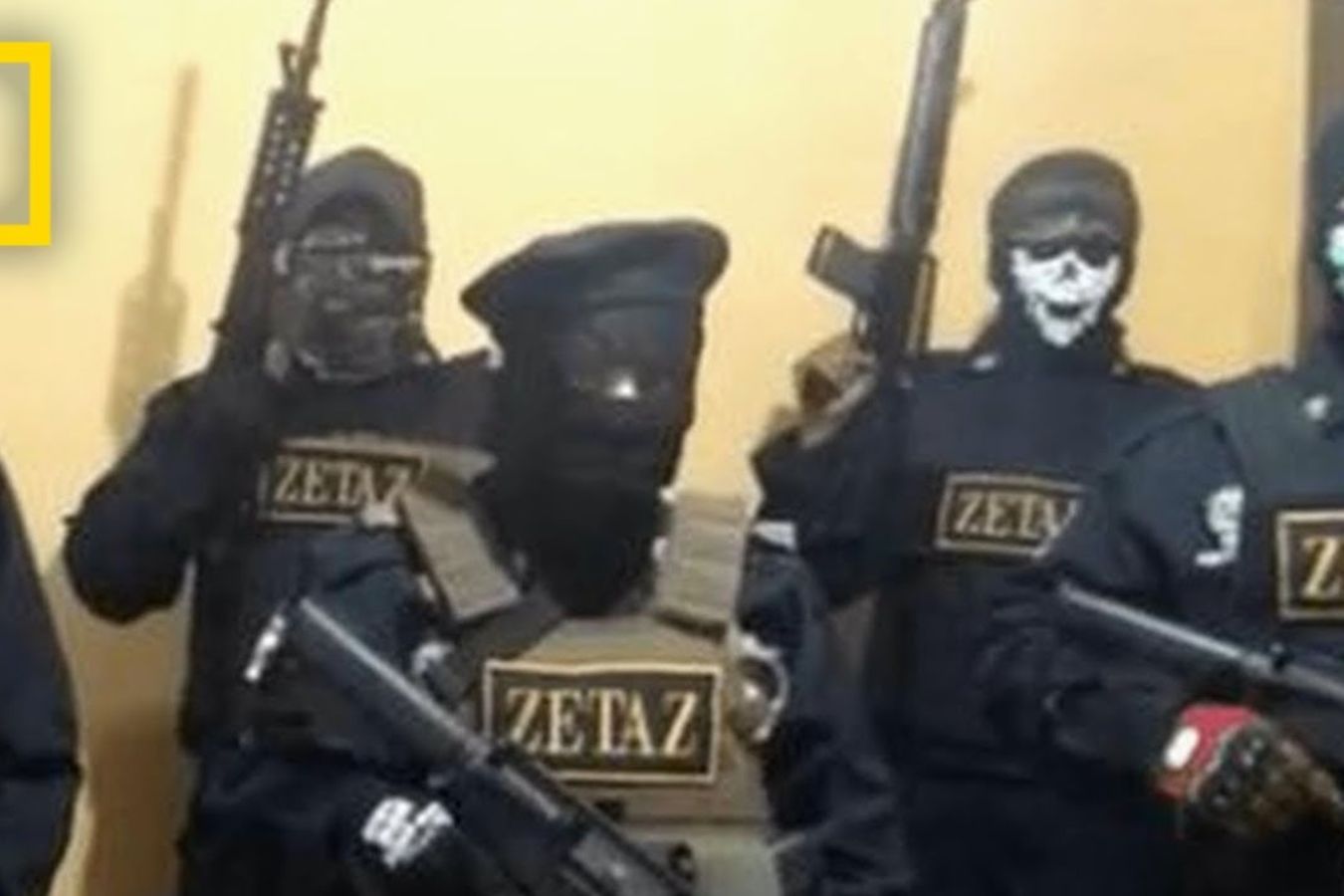
- The Zetas Model: Originally formed by defectors from Mexico’s special forces (GAFE), Los Zetas became infamous for their military discipline and advanced tactics. The modern shift sees former U.S. soldiers stepping into advisory and leadership roles within existing cartel structures.
- Colombian & Mexican Drug Wars: Reports have surfaced of former U.S. military personnel training cartel hit squads in advanced combat maneuvers, sniper operations, and even conducting operations themselves.
- High-Profile Arrests: In some cases, ex-Special Forces operatives have been arrested or killed while working for cartels, with forensic analysis of operations showing military-style execution of attacks.

Fighting for Cash: Why Colombian Mercenaries Risk It All Overseas
Implications for National Security
The recruitment of former U.S. Special Forces by cartels presents a grave threat to law enforcement and national security. As these paramilitary units grow more capable, law enforcement agencies face increasing challenges in combating organized crime.
Furthermore, the involvement of U.S.-trained operatives in cartel activities undermines international efforts to stabilize regions plagued by drug violence. It also raises ethical questions about the post-service care and oversight of military personnel, as well as the effectiveness of current counter-narcotics strategies.
Possible Countermeasures
To curb this trend, governments must implement several countermeasures:
- Stronger Vetting & Monitoring: Enhanced tracking of ex-Special Forces personnel post-service, particularly those with advanced combat skills, can help identify at-risk individuals before they turn to criminal enterprises.
- Reintegration Programs: Providing better career transition programs, mental health services, and financial stability options for former military personnel could reduce the likelihood of them being lured by lucrative cartel offers.
- International Cooperation: Collaborative efforts between U.S., Mexican, and South American authorities can lead to more efficient intelligence-sharing, allowing for the early identification of cartel recruits with military backgrounds.
Conclusion
The increasing presence of former U.S. Special Forces in cartel leadership positions represents a dangerous shift in the ongoing war on drugs. With their unparalleled expertise, these operatives provide cartels with an unmatched level of tactical superiority, making them more formidable adversaries than ever before. Addressing this issue requires a multifaceted approach that tackles both the root causes of veteran disenfranchisement and the operational threats posed by these rogue warriors. If left unchecked, the fusion of elite military skills with cartel brutality could redefine the landscape of organized crime in the Western Hemisphere.