

Fighting for Cash: Why Colombian Mercenaries Risk It All Overseas
When Yeison Sánchez left Colombia for Ukraine, he was ready to die. The 31-year-old former Colombian army soldier had purchased repatriation insurance and warned his family of the risks ahead. His motivation? Money. TikTok videos promised him a $4,300 monthly salary as a volunteer for the Ukrainian army. With high hopes, he saved $2,300 for flights from Bogotá to Madrid, then to Poland, and finally crossed into Ukraine by land to enlist.
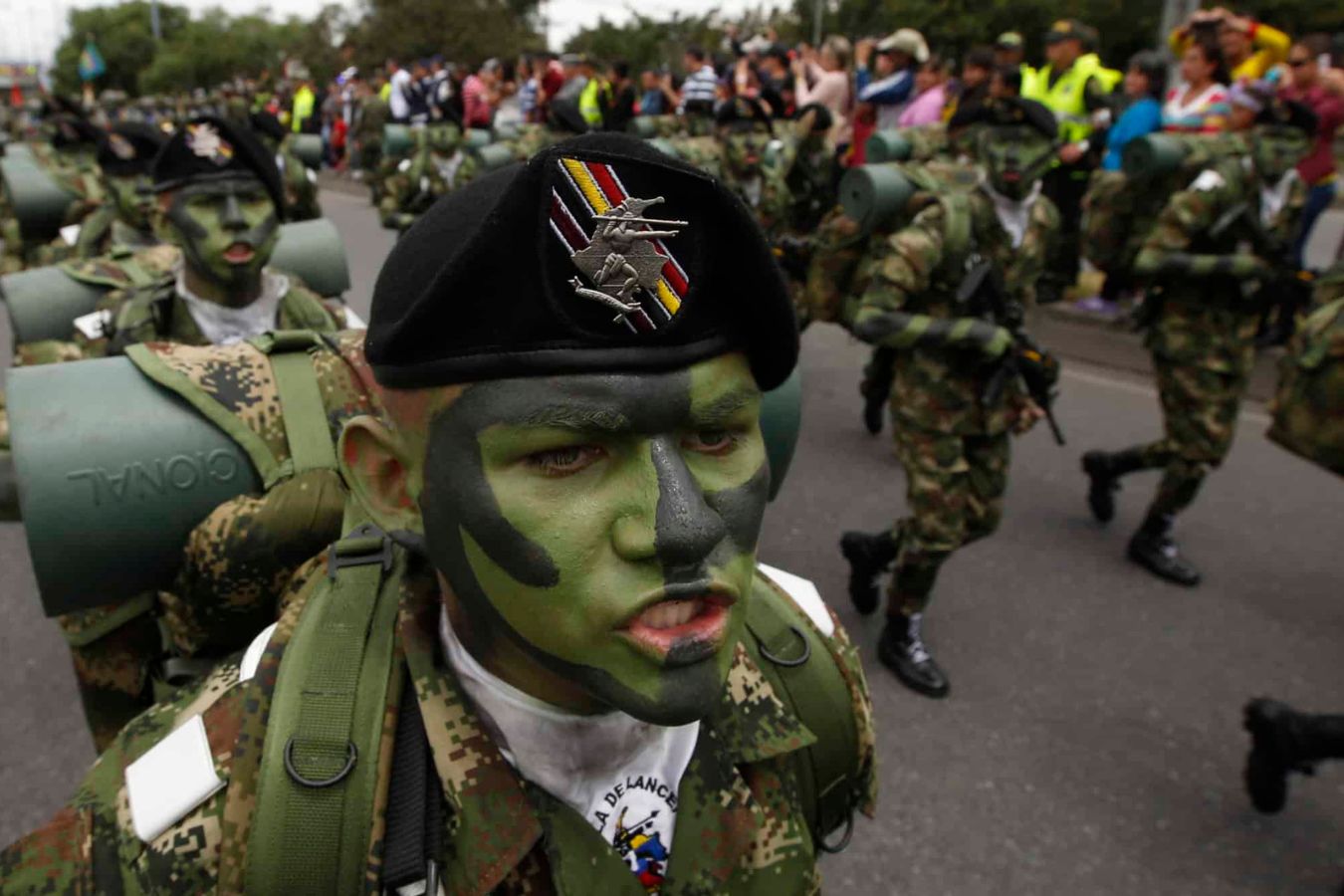
Like many others, Sánchez saw combat in Zaporizhzhia but quickly realized the grim reality. The pay was far less than promised, and mistreatment by superiors was rampant. “I felt cheated,” he said, recalling punishments like dawn push-ups for speaking Spanish. Disillusioned, he deserted after six months, joining 40 others who also abandoned the international legion. Now back in Colombia, he’s weighing new offers, including security work in Mexico or mercenary jobs in Africa, which he calls “the big project right now.”
A Market for Colombian Mercenaries
Colombia has one of the world’s largest and most experienced militaries, honed by decades of counterinsurgency warfare. This makes Colombian veterans highly sought after by foreign armies and private security firms. Many ex-soldiers retire young with limited career prospects outside combat. While the Colombian government provides a small pension, overseas jobs offer up to five times the pay. Some choose security work in the UAE or Mexico, while others fight in war zones like Ukraine or Sudan.
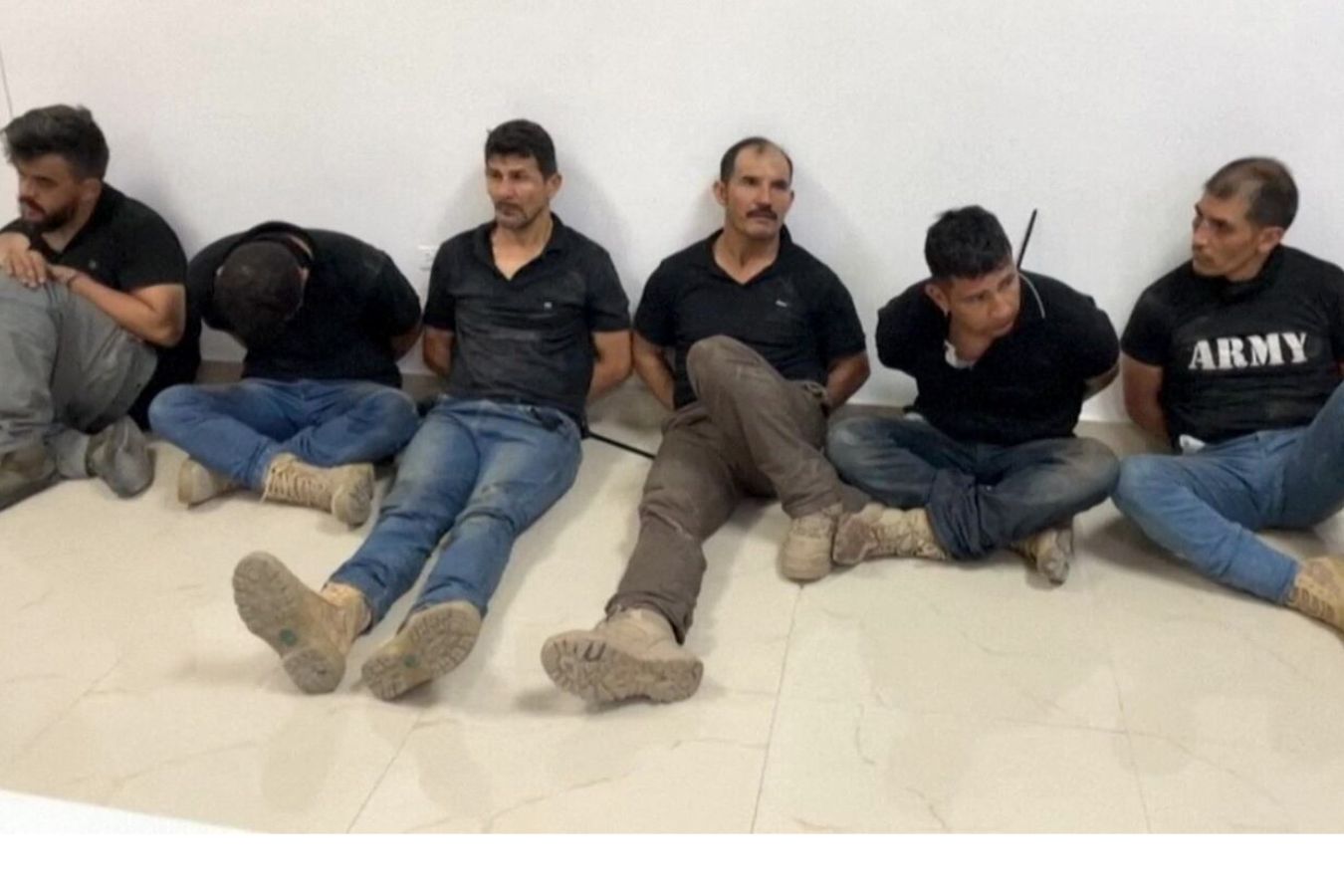
The demand for Colombian mercenaries isn’t new. Since 2000, reports have placed them in conflicts across Russia, Yemen, Libya, Somalia, and Afghanistan. The most infamous case was the 2021 assassination of Haitian President Jovenel Moïse, where 17 Colombian mercenaries were arrested. Some claim they were hired to kidnap, not kill, the president. More recently, two Colombian volunteers in Ukraine were captured and extradited to Russia, adding to the controversy.
“Its Like We are Soccer Players”
Dante Hincapié, a former Colombian Navy chief petty officer, compares military recruitment to soccer scouting: “Headhunting companies come to Colombia, watch your work, and make you an offer.” Frustrated with his low pension, he took a mercenary job in 2014, commanding a UAE battalion composed entirely of Colombians. Later, he was deployed to Yemen to protect ships from pirates. In three years, he earned nearly $70,000—more than four times what he could have saved with his pension.
Karol G Visits Colombian Prison to Inspire Women
Hincapié admits that some companies exploit veterans, particularly in Sudan and Haiti, but he believes military outsourcing remains a necessary path for many. “The government is to blame,” he says. “They ignore soldiers once they retire.”
The Mercenary Business Under Scrutiny
Colombia’s government is now pushing legislation to outlaw mercenary activities and crack down on companies that exploit ex-military personnel. Jovana Ranito, president of the UN’s working group on mercenaries, supports the initiative, emphasizing that many of these companies operate under multiple identities, making them difficult to track.

One such company, A4SI, has been under fire for misleading recruits. In 2021, former Colombian sergeant Jaime Henao accepted a job offer from A4SI to work security in Abu Dhabi, only to find himself assigned to protect a former Afghan president in exile. A4SI, founded by Colombian military veterans, has reportedly sent over 300 mercenaries to Sudan, many of whom claim they were tricked into combat roles.
A Never-Ending Cycle
Mercenary work isn’t expected to disappear anytime soon. Alfonso Manzur, founder of Veterans for Colombia, says that without proper reintegration programs, ex-soldiers will continue seeking jobs in conflict zones. He estimates that the industry has recruited over 250,000 Colombians since the early 2000s, a number that keeps growing as more soldiers retire.
Despite government efforts to increase pensions and retraining programs, many veterans remain committed to the mercenary life. Henao, now a military instructor in Libya, earns up to $4,000 monthly. Sánchez is still considering moving to Mexico, where many of his former comrades are already working. Hincapié, though retired from combat, remains active in veteran advocacy.
“Once you swear allegiance to the flag, you’re a soldier for life,” Hincapié says.