

Nayib Bukele, El Salvador’s 42-year-old president, clinched another term in a massive win and proudly touted the country’s transition into what he termed a single-party system through democratic channels. An exit poll conducted by CID Gallup indicated that Bukele garnered approximately 87 percent of the ballots.
President Bukele’s Impact: A New Era in Latin American Politics
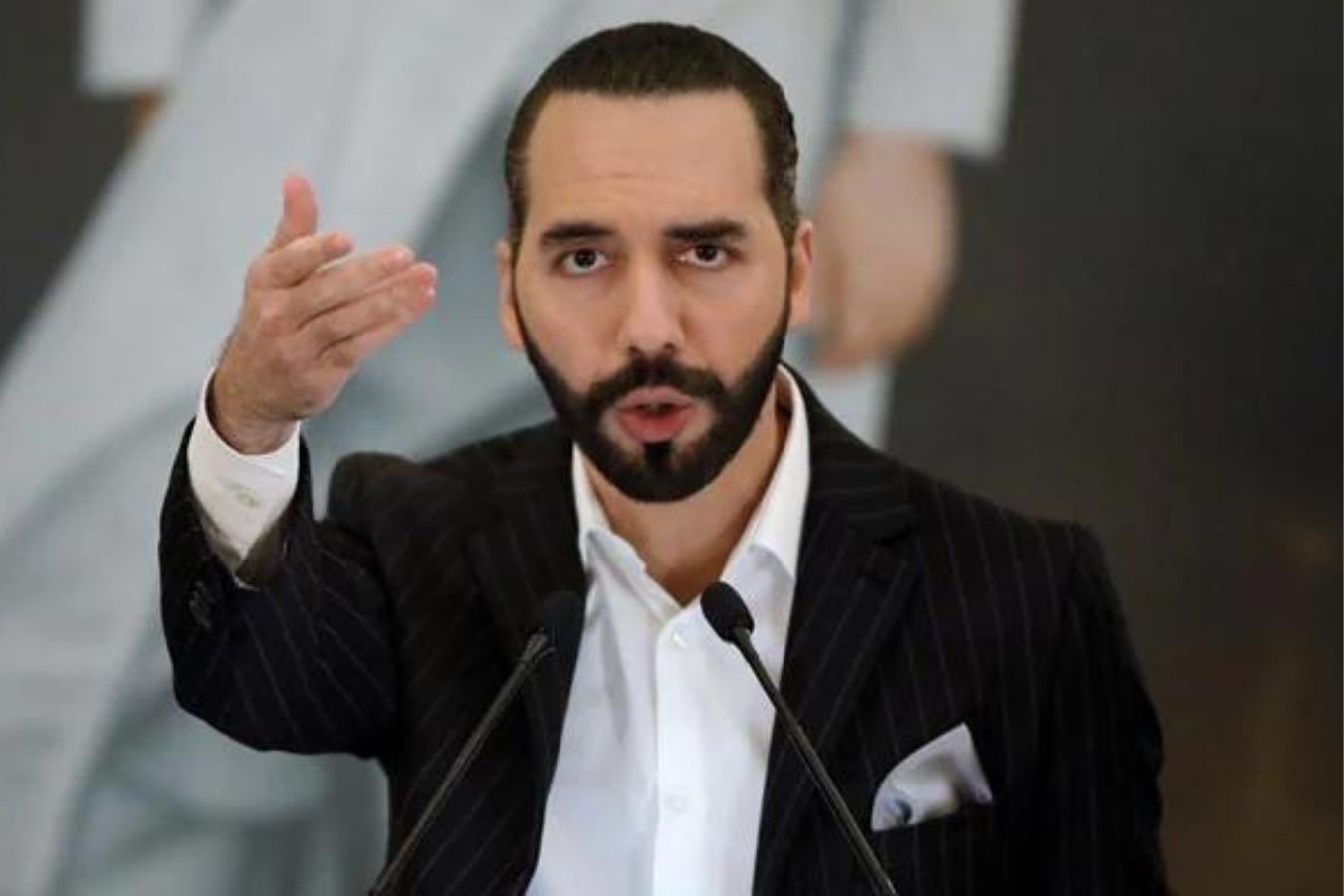
Bukele has been shaking things up in Salvadoran politics with his tough stance on security and crime reduction, earning him both praise and criticism. Despite concerns from human rights groups, Bukele boasts an impressive approval rating of 90%, with many Salvadorans lauding the positive outcomes of his policies, as reported by The Economist.
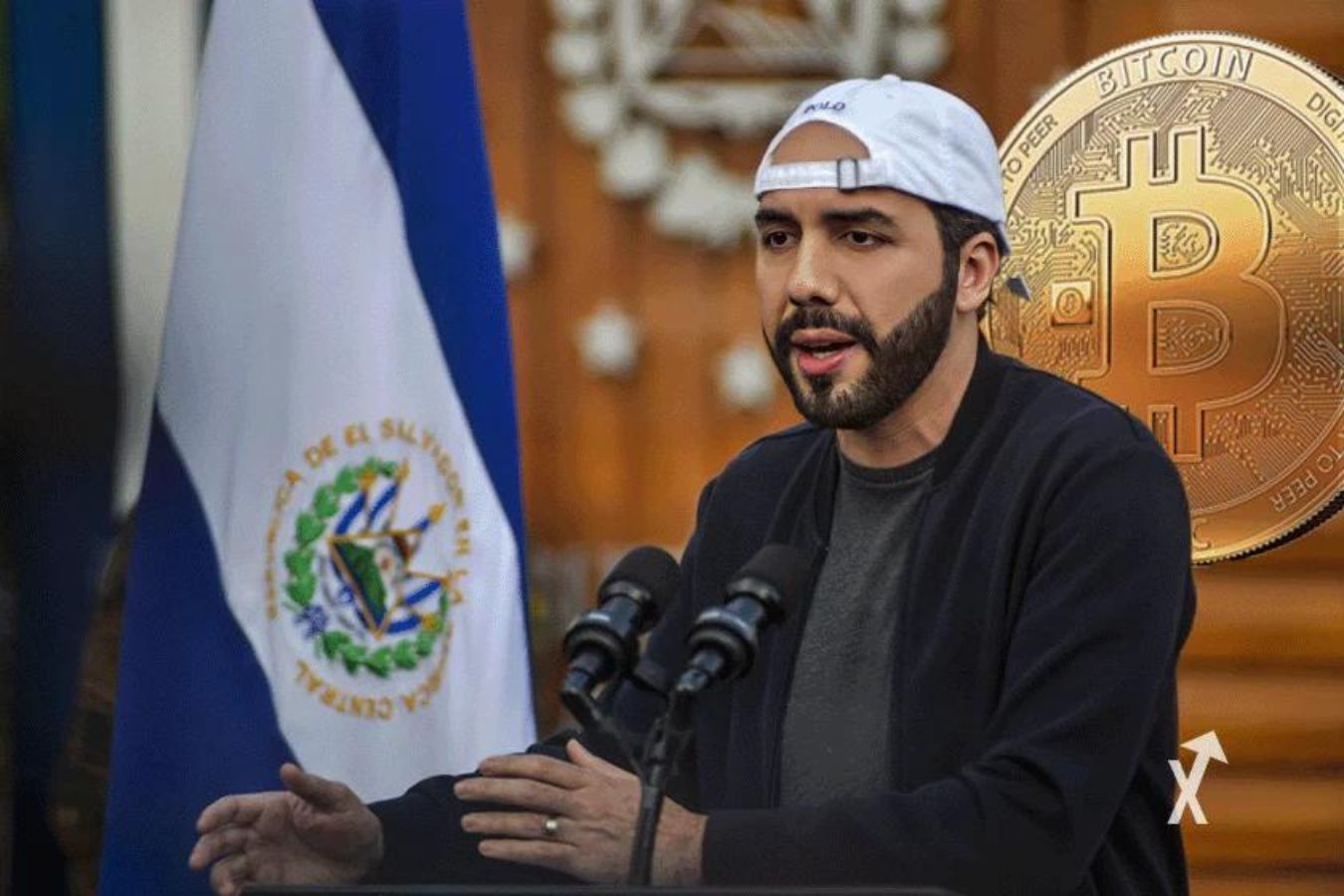
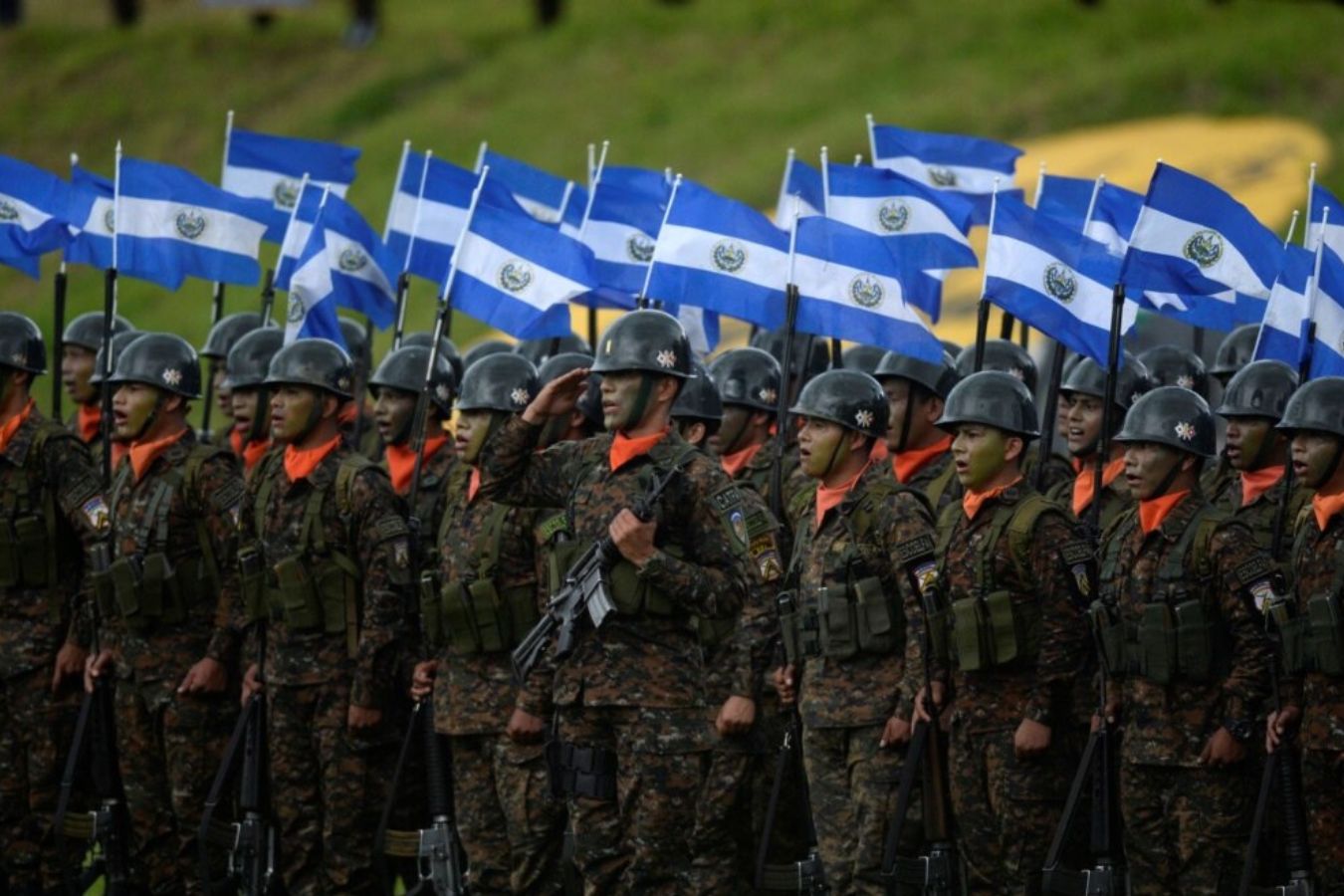
Since taking office in 2019, Bukele’s administration, under the Grand Alliance for National Unity party, has seen a significant drop of 56.8% in crime and violence rates by 2022, according to Defense Minister Francis Merino. This success has not gone unnoticed, catapulting Bukele into the spotlight as a key figure within El Salvador, Latin America, and the Caribbean.
In spite of his popularity, Bukele’s unorthodox methods have drawn criticism, with human rights organizations accusing him of undermining democratic institutions and failing to address human rights violations adequately.
Nevertheless, politicians and candidates throughout the region are taking notes. Bukele’s influence is spreading across Latin America, with leaders in countries like Ecuador, Honduras, and the Dominican Republic taking cues from his tough policies that have significantly reduced homicide rates in his own nation.
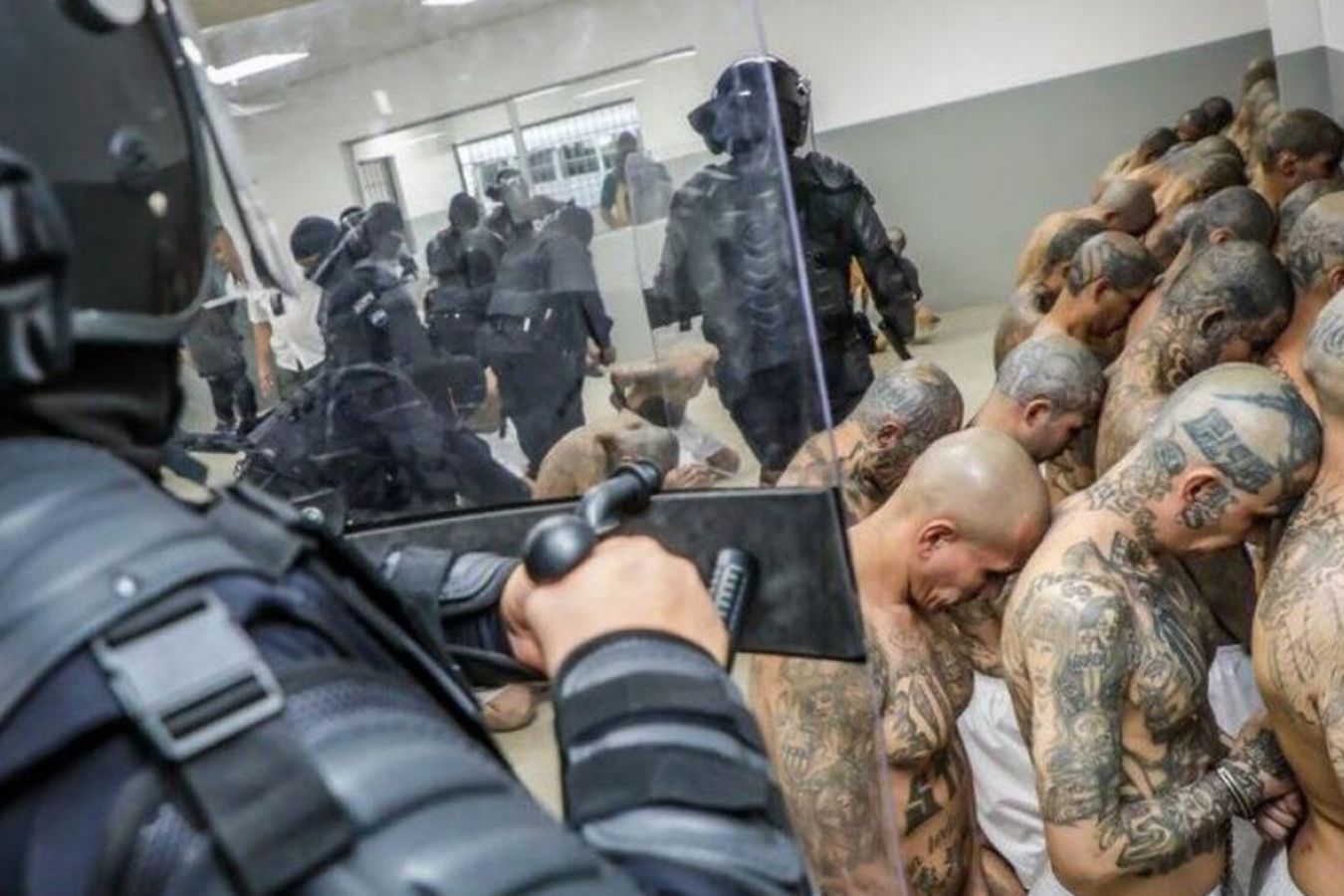
Read: Salvador President Nayib Bukele Locks up 65k MS-13 Gangsters
When a high-profile drug lord broke out of prison and armed gang members stormed a live TV broadcast in Ecuador, President Daniel Noboa wasted no time. He declared a state of emergency and pushed through measures labeling 20 criminal outfits as terrorist organizations. This move granted the military authority to “neutralize” these groups within the bounds of international law. Noboa minced no words, stating, “We’re in a war-like situation, and we can’t afford to back down.”
In a similar move, Honduras is adopting Bukele’s no-nonsense tactics, such as the public humiliation of prisoners, including making them strip naked and sit in tightly packed rows during searches for contraband.
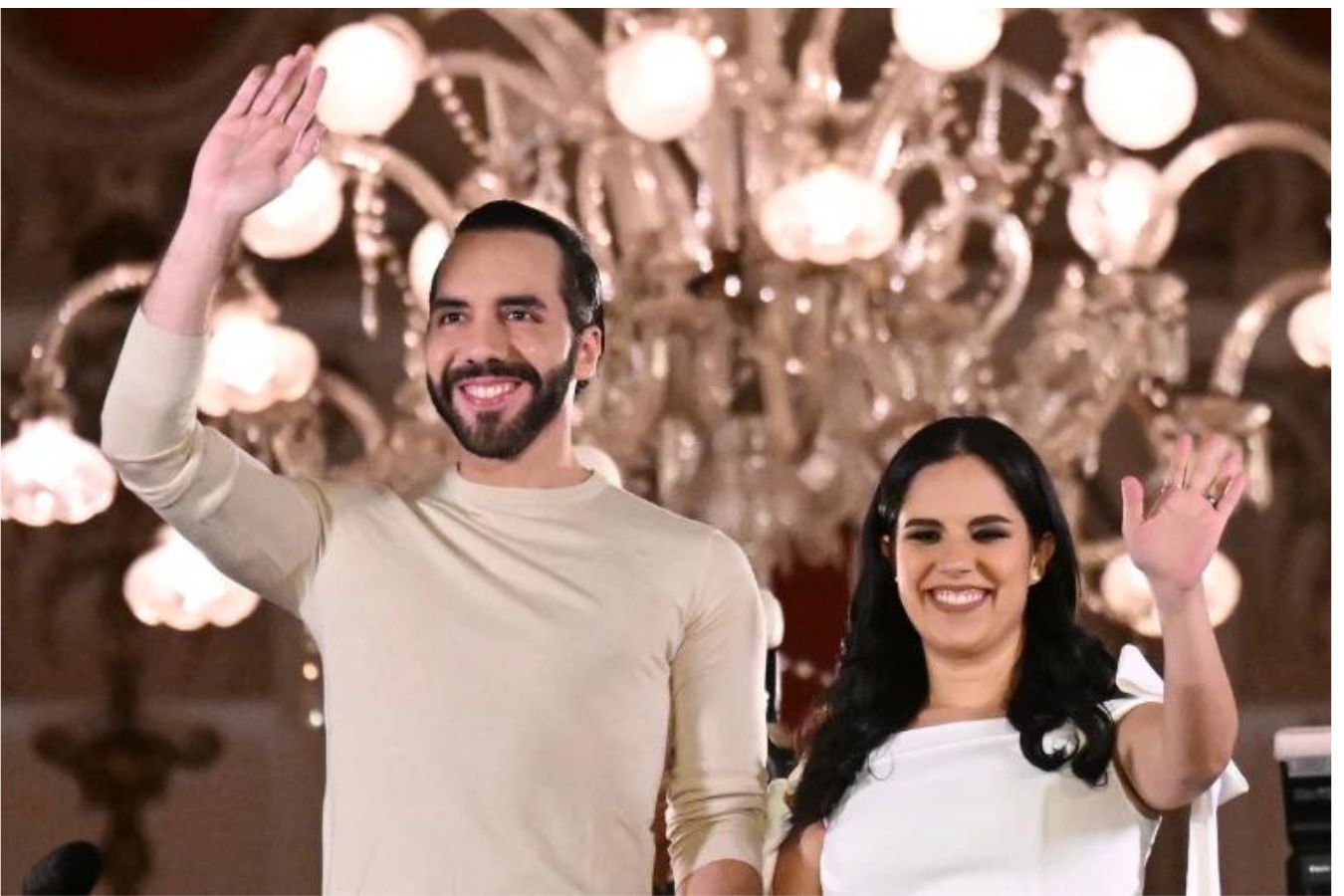
Meanwhile, Dominican Republic’s leader, Luis Abinader, is increasingly aligning his policies with Bukele’s in his push against crime.
Notably, citizens of Guatemala and Honduras have taken to the streets in pro-Bukele demonstrations, welcoming his visits with enthusiastic applause.
In Costa Rica, Security Minister Jorge Torres is advocating for the adoption of Bukele’s strategies, while in Colombia, Rodolfo Hernandez, narrowly defeated in the presidential race, traveled to San Salvador to study Bukele’s approach to law enforcement.

Rafael Lopez Aliaga, the Mayor of Lima and a potential presidential candidate in Peru, pledges to implement a “Bukele plan” to tackle crime. Even Chile, known for its tranquility, is witnessing Bukele-inspired rallies gaining momentum.