

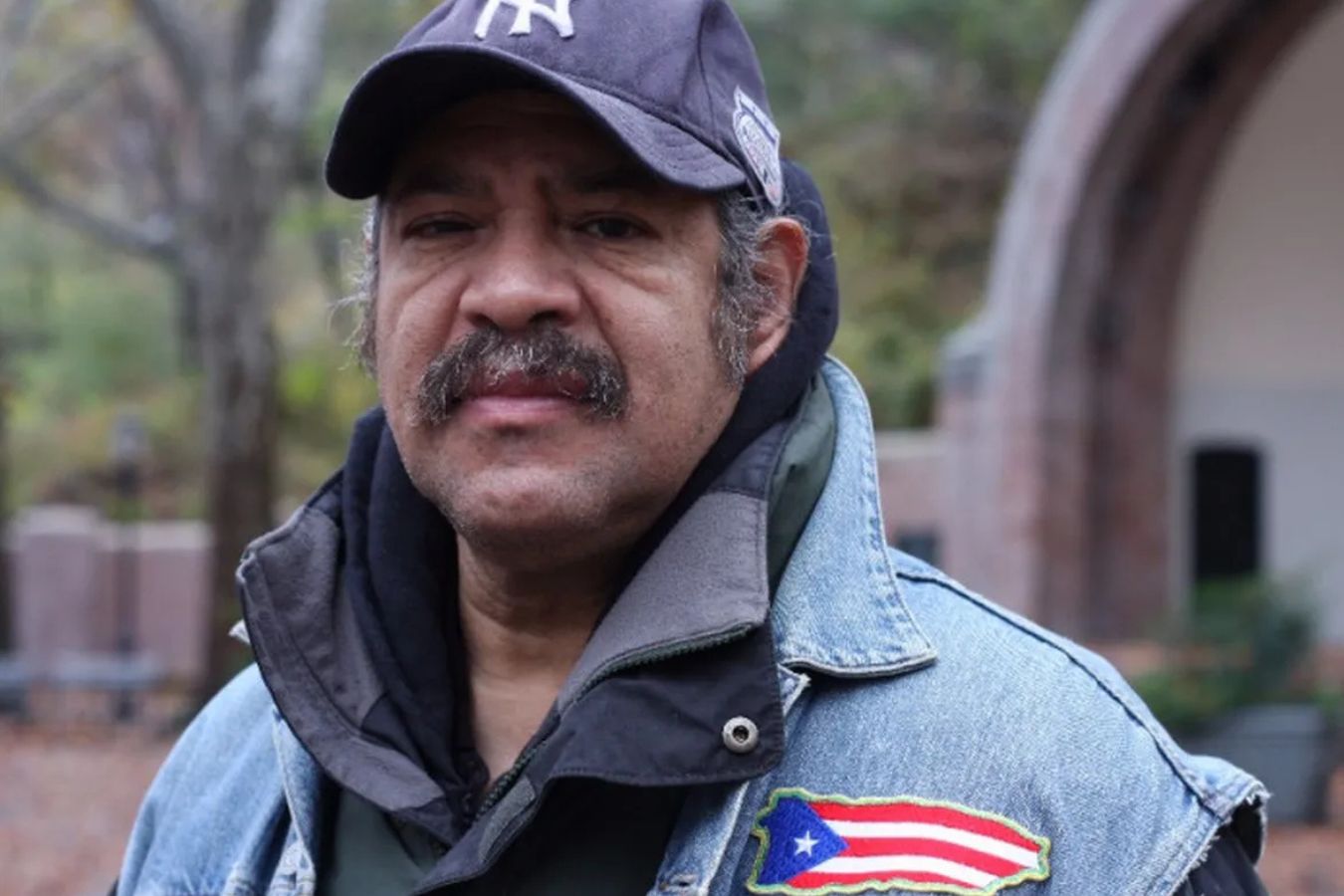
When people think about the birth of hip-hop, they often jump straight to block parties, DJs scratching vinyl, and MCs rhyming on the mic. But behind the music, there was a pivotal moment of peace that made space for the culture to grow. At the center of it stood Benjamin “Benjy” Melendez, a Puerto Rican, born gang leader in the Bronx who transformed from street warrior to peacemaker, changing the trajectory of New York’s youth and helping lay the foundation for a global movement.
From the Streets of the Bronx
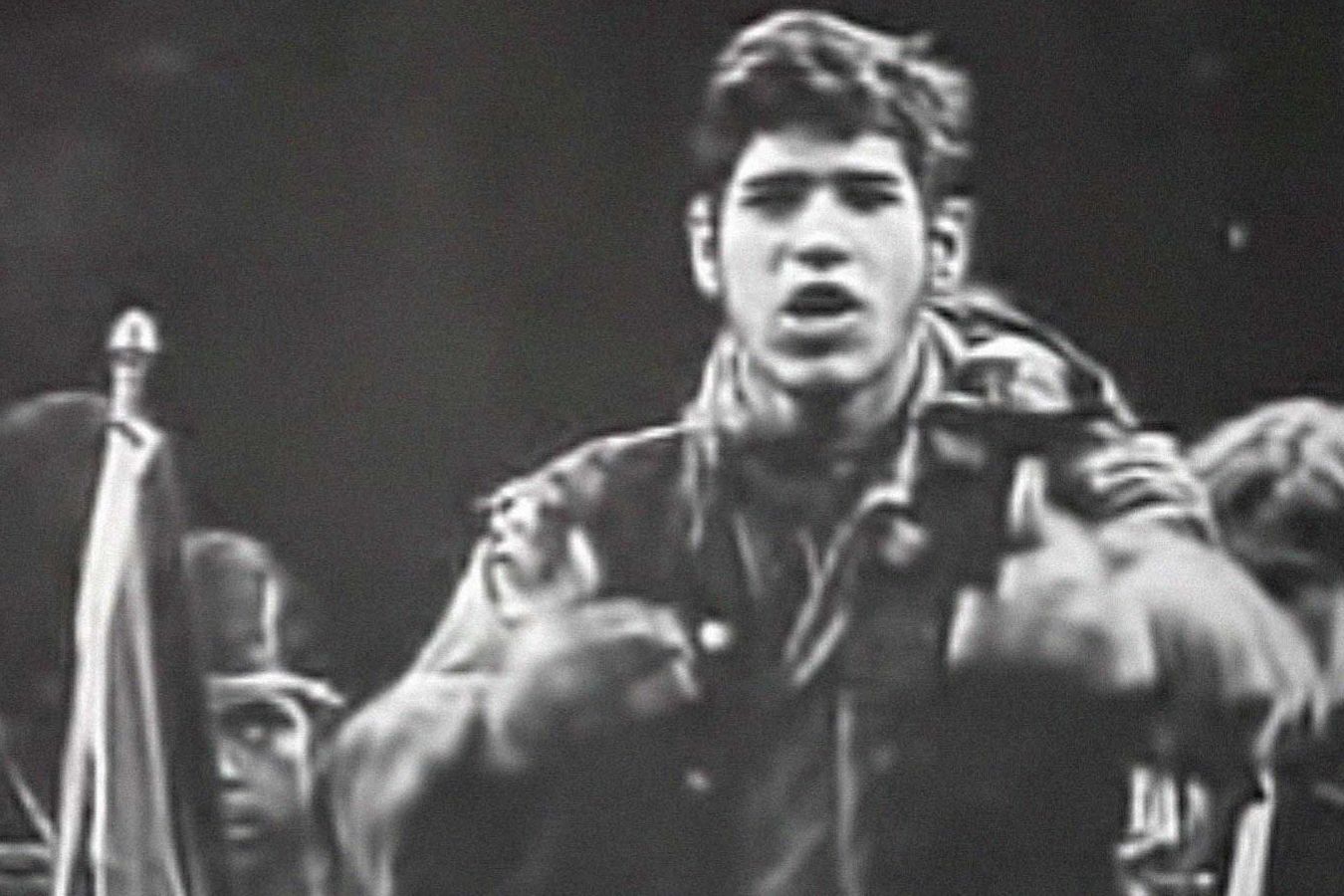
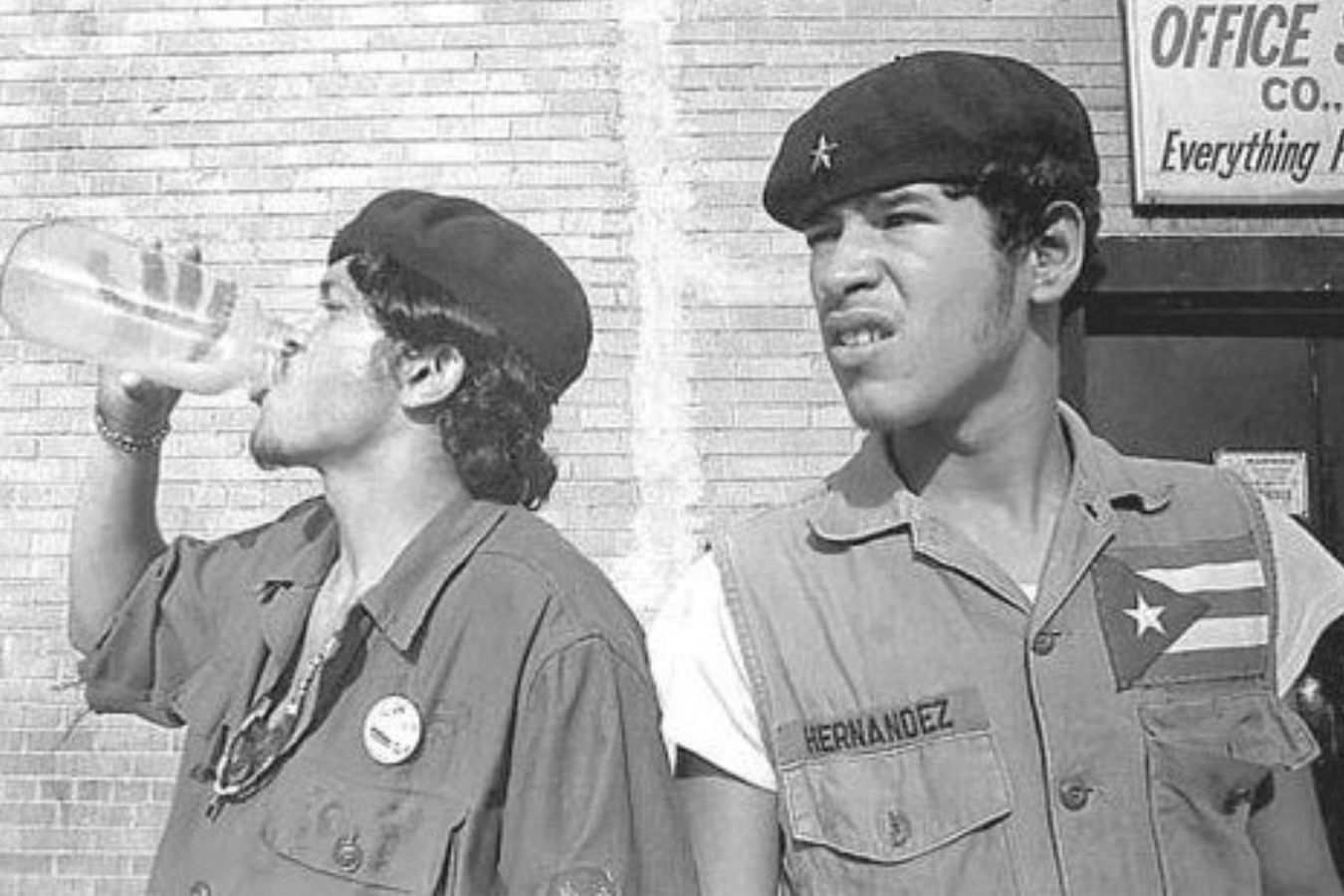
Born into a Puerto Rican family in New York City, Melendez grew up in a neighborhood defined by poverty, racial tension, and gang rivalries. As a teenager, he became the leader of the Ghetto Brothers, one of the city’s most powerful Puerto Rican gangs during the late 1960s and early 1970s. The gang was known not just for its street presence, but also for its ties to music and community activism.
While the Ghetto Brothers were part of the turbulent street culture of the time, Melendez stood out for wanting more than constant conflict. His heritage, rooted in a culture of resilience and pride, helped fuel his vision for unity.

A Turning Point: The Hoe Avenue Peace Meeting
In 1971, a young Ghetto Brothers member named Cornell “Black Benjie” Benjamin was murdered while trying to mediate between rival gangs. Instead of retaliating with violence, Melendez made a groundbreaking decision: he called for peace.
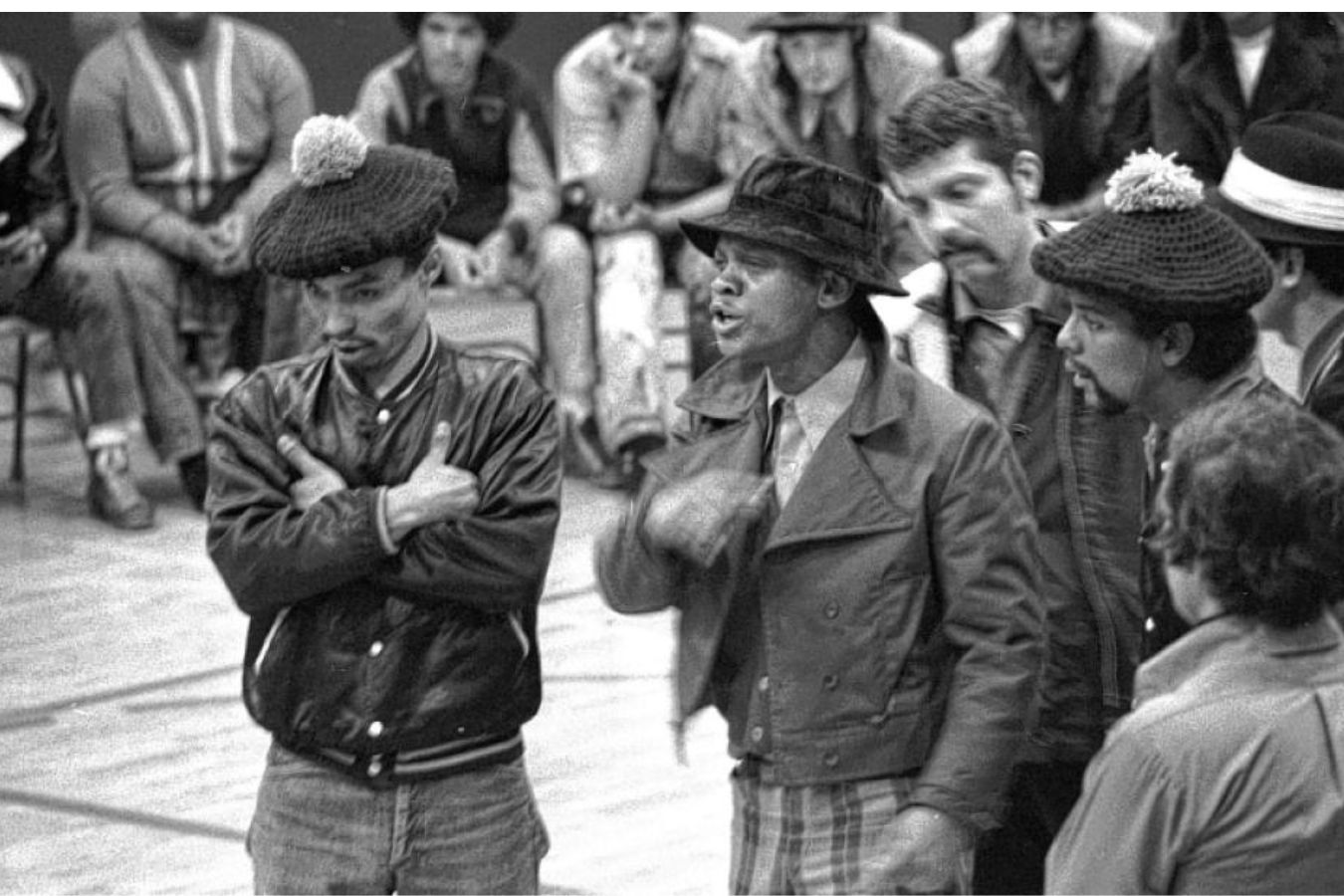
He gathered dozens of rival gangs from across the Bronx and Manhattan for what became known as the Hoe Avenue Peace Meeting. In a school gymnasium, he pushed for a truce that would end senseless bloodshed and redirect the energy of young people into more constructive paths. This bold act of leadership not only stopped a cycle of violence but also opened up a safer environment for creativity to thrive.
Music and the Rise of Hip-Hop
The Ghetto Brothers weren’t just a gang, they were also a band. They played Latin rock infused with messages of hope and unity, and their music reflected Melendez’s vision of peace. After the truce, block parties became safer spaces, and DJs like Kool Herc, Afrika Bambaataa, and Grandmaster Flash could spin records without the looming threat of gang warfare.
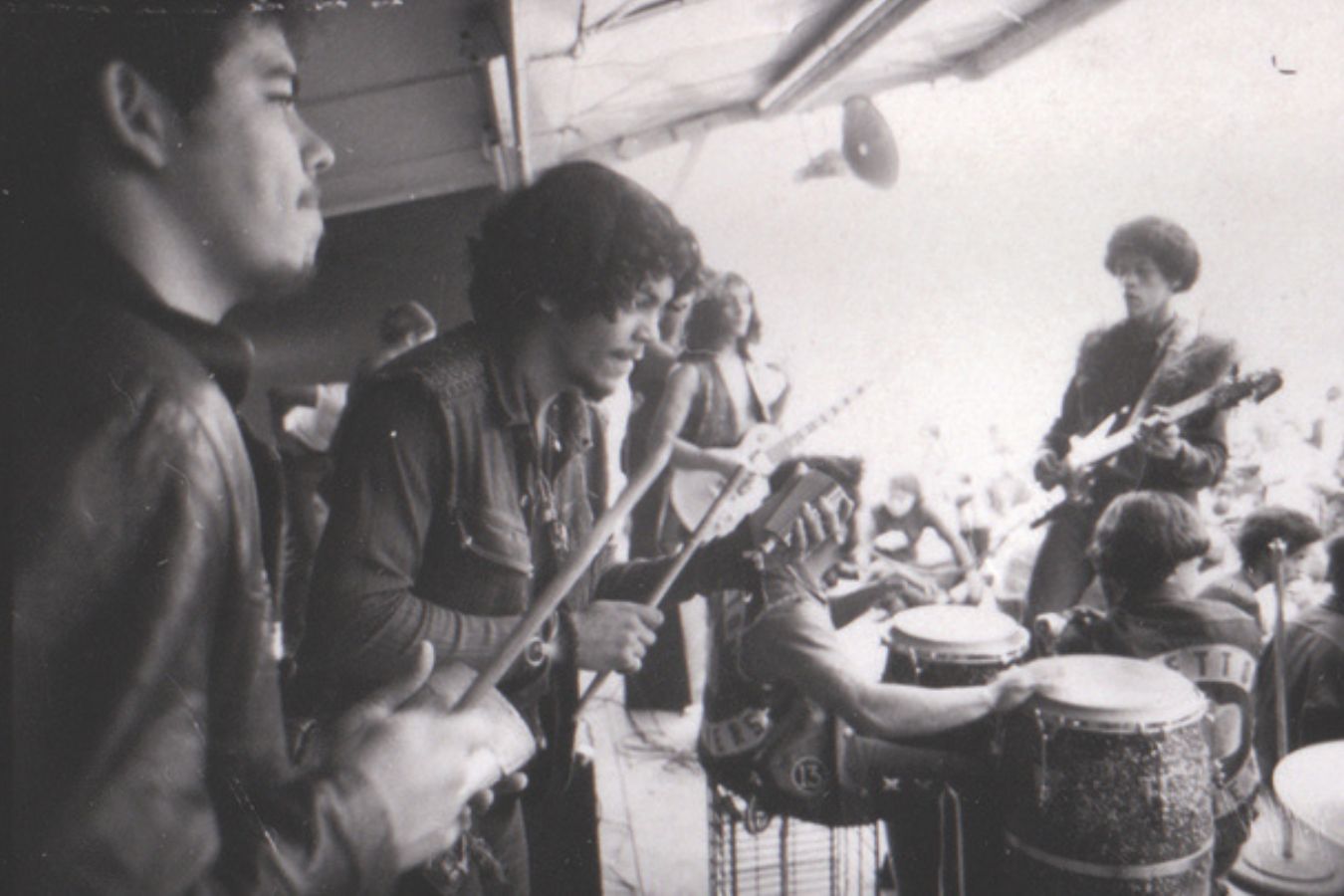
In many ways, Melendez’s peace efforts created the social conditions that allowed hip-hop culture to explode. The beats and rhymes that emerged from the Bronx might never have reached the world if not for the environment of unity that he helped foster.
Personal Struggles and Redemption
Melendez’s journey wasn’t easy. He faced discrimination as a Puerto Rican in a city struggling with racism. He wrestled with the contradictions of leading a gang while trying to build peace. And he bore the emotional weight of losing friends to violence.
Yet, he overcame those struggles by holding firm to his belief that unity could achieve more than revenge. He transformed the Ghetto Brothers into a cu
Timeline: The Life and Legacy of Benjy Melendez
- 1952 – Benjamin “Benjy” Melendez is born in Puerto Rico and raised in the South Bronx.
- Late 1960s – Becomes leader of the Ghetto Brothers, one of the most influential Puerto Rican gangs in New York.
- 1971 – After the murder of Cornell “Black Benjie” Benjamin, Melendez organizes the Hoe Avenue Peace Meeting, bringing dozens of gangs together to sign a truce.
- 1971–1972 – Transforms the Ghetto Brothers from a gang into a cultural and activist group, spreading messages of unity through music.
- 1970s – The Bronx becomes safer for block parties and DJs, paving the way for the rise of hip-hop culture.
- 1990s–2000s – Recognized as a pioneer of gang peace efforts; participates in documentaries and interviews highlighting his role in Bronx history.
- 2017 – Benjy Melendez passes away, leaving behind a legacy of peace, music, and cultural impact.
- Today – Remembered as a visionary whose actions helped create the social space where hip-hop could be born and flourish.