

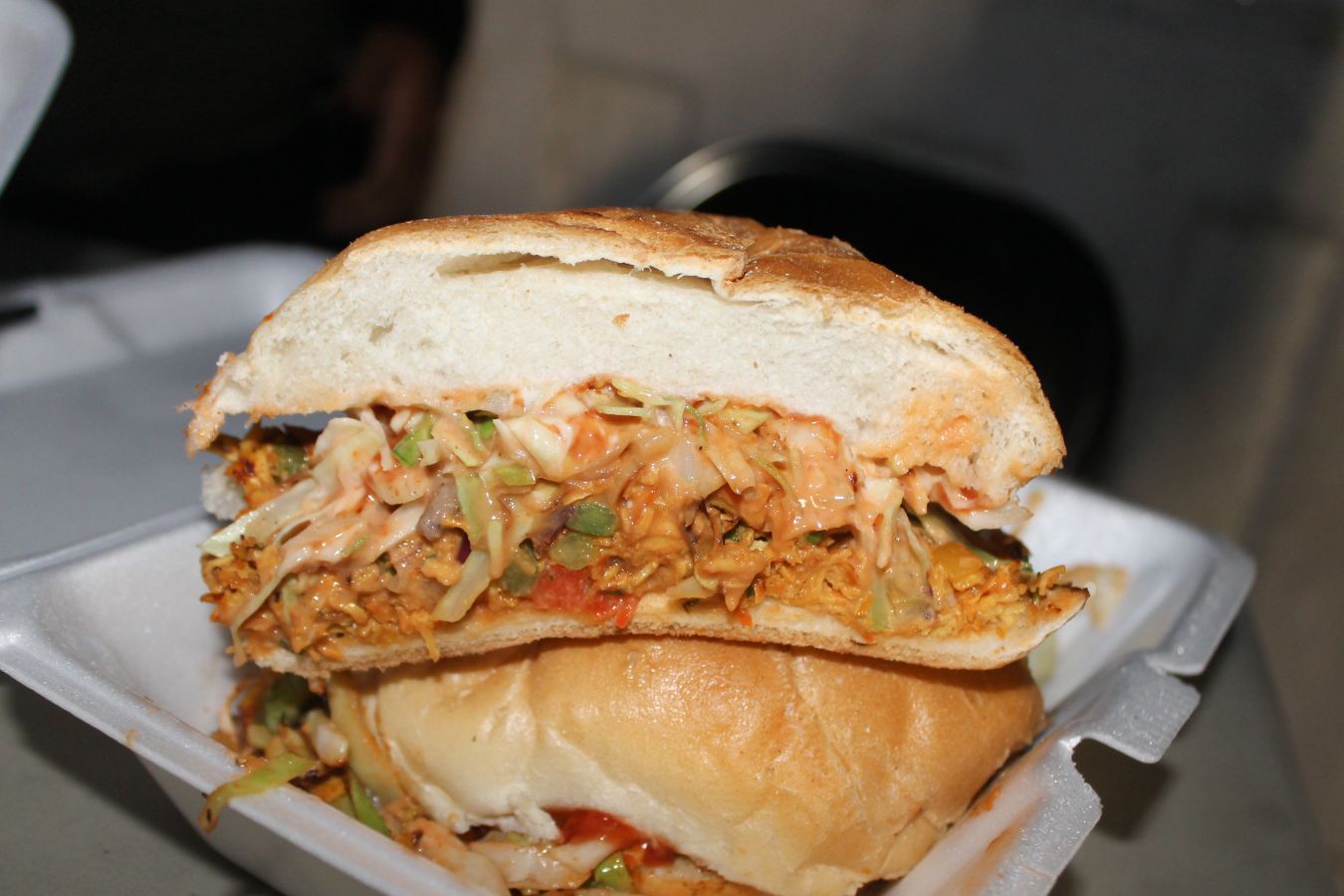
Dominican Chimi: Greasy, Delicious and Cures Hangovers. There are foods that slide into a city’s story like a familiar cousin, and then there are foods that arrive like a whole family reunion. The chimi, that gloriously messy Dominican chimichurri burger, a juicy patty on pan de agua with cabbage, tomato, onions, and that pink-y, garlicky Dominican sauce, did both.

It started as a street stall favorite in Santo Domingo, then hopped on planes and boats with immigrants, and now hums at the corners of Washington Heights, parks in the shadow of Brooklyn bodegas, lines Broad Street in Providence, and even shows up in Miami, Orlando, and Jersey. In short, the chimi truck is now a cross-state cultural institution.
Origins, Myths, and Why the Name Confuses Everyone
If you ask a Dominican abuela, she’ll tell you the chimi is pure DR soul food. If you ask a food historian, they’ll mention an Argentine cook named Juan Abrales, who in the 1970s borrowed from the choripán sandwich and gave it a Dominican remix.
The truth? It’s somewhere in between, part invention, part evolution, all flavor. What’s clear is that the chimi became a street-food staple in the Dominican Republic, sold from late-night carts sizzling with smoke, merengue blasting in the background. When Dominicans migrated, the chimi came along for the ride, sauce bottles and all.

From Santo Domingo to Sunset Park: The Immigrant Hustle
For many Dominican immigrants in New York, a small truck or cart wasn’t just a food business, it was survival, independence, and community in one.
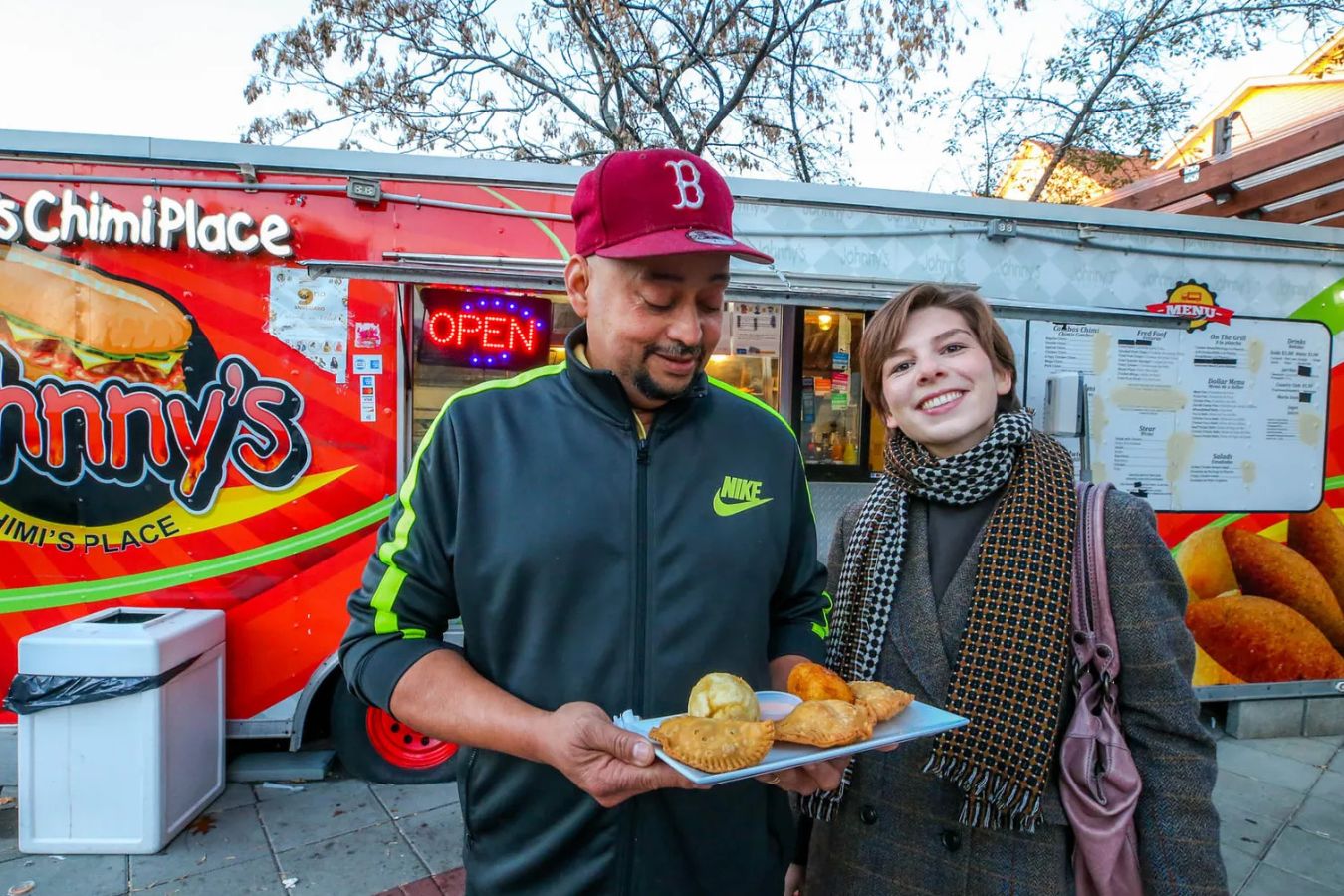
All you needed was a grill, a few ingredients, a generator, and that unbreakable tigre confidence. Chimi trucks began popping up across Dominican neighborhoods, Washington Heights, Inwood, Corona, and Brooklyn’s Sunset Park, feeding everyone from cabbies to clubbers to construction workers.
Open late, affordable, and bursting with flavor, the chimi truck became more than a business; it became a neighborhood lifeline.
Why the Chimi Truck Became Popular, Fast
The chimi’s rise wasn’t an accident. It’s engineered to be addictive: smoky meat, tangy sauce, crunchy slaw, creamy mayo-ketchup, and that pan de agua that somehow holds everything together (barely).
But the real secret? Timing. Chimi trucks opened when everyone else closed. They became the post-party pit stop, the midnight dinner, the hangover cure before the hangover hits.
And word spread, first through Dominican families, then friends, then curious foodies looking for “the real deal.” The chimi went viral before viral was a thing.
Neighborhoods, Rituals, and the Late-Night Economy
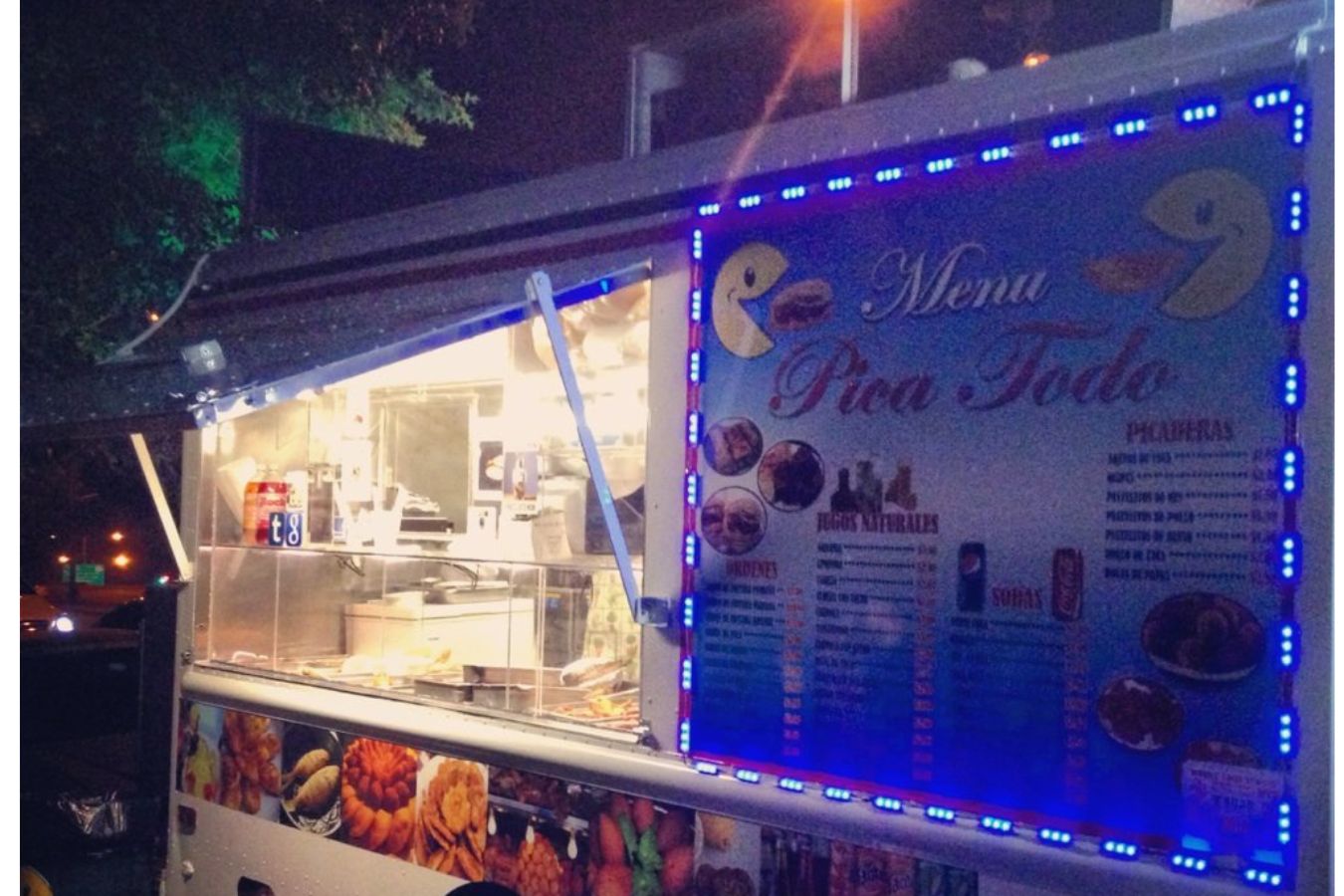
If you’ve ever been on Broadway in Washington Heights after midnight, you know the drill: a row of trucks glowing under neon lights, the air thick with grilled onions, music floating between salsa and dembow. People line up, order, wait, and gossip.
It’s not just a meal, it’s community theater with sauce.
In Providence, Rhode Island, Broad Street has become an entire chimi district. In Paterson, NJ, chimi trucks compete for bragging rights. In Miami’s Allapattah, you’ll find tropical twists like chimis with fried plantains. The chimi truck scene has turned into a cultural map of Dominican migration itself.

The Spread: Not Just New York
While NYC is the chimi’s capital, the flavor has gone national. You’ll spot Dominican food trucks in Massachusetts, Pennsylvania, Florida, Georgia, and even Texas, serving the same late-night energy wrapped in paper.
And just like bachata and merengue, the chimi is being remixed, with spicy twists, vegan versions, and fusion toppings. It’s no longer just a Dominican secret; it’s an American craving.
How the Chimi Entered Mainstream Foodie Culture
Instagram did what word-of-mouth used to do, it turned local chimi trucks into foodie legends. Influencers started posting those drippy, sauce-filled close-ups.
TV shows like Street Food USA and food blogs gave shout-outs. Suddenly, the chimi was being reviewed alongside Korean BBQ tacos and Nashville hot chicken.
But unlike trends that burn fast, the chimi holds steady, because it’s not performative, it’s personal. It tastes like home.
Challenges, Hustle, and the Future
Running a chimi truck isn’t easy. Between city permits, parking battles, and ingredient costs, these entrepreneurs grind hard. Some transitioned into restaurants, others stayed proudly mobile.
Through it all, the chimi community remains resilient, adapting, reinventing, and holding tight to tradition. It’s immigrant entrepreneurship at its finest, one sandwich at a time.
Notable Chimi Truck Hotspots in the U.S.
New York
- El Chimi de Washington Heights – Broadway & W. 176th St.
- Chimi El Tigre – Dyckman St., Inwood
- Chimi City Grill – 149th & 3rd Ave, Bronx
- El Chimi del Jefe – Corona, Queens
New Jersey
- El Chimi de Paterson – Market St., Paterson
- Dominican Chimi House – Main Ave., Passaic
Providence, Rhode Island
- La Chimi Spot – Broad St.
- El Chimi Power – Prairie Ave.
Florida
- El Primo Chimi Truck – Allapattah, Miami
- Chimi La Calle – Orlando
Each spot has its own flavor profile, some sweeter, some spicier, all unforgettable. The unifying ingredient? That Dominican pride sizzling on the grill.
🍔 How to Make a Real Dominican Chimi (Home Version)
Ingredients:
- 1 lb ground beef (or mix beef & pork)
- 4 pan de agua or Portuguese rolls
- 1 small cabbage, finely shredded
- 1 tomato, sliced
- 1 red onion, sliced
- ½ cup vinegar
- ½ cup mayonnaise
- ¼ cup ketchup
- 1 tbsp garlic paste
- 1 tsp soy sauce
- Oil, salt, and pepper
Instructions:
- Mix mayo, ketchup, garlic paste, and a bit of vinegar — that’s your pink chimi sauce.
- In a bowl, toss the onions with vinegar and let them marinate for 10 minutes.
- Grill or fry the patties until cooked and slightly charred.
- Lightly toast the rolls, spread sauce on both sides.
- Layer meat, cabbage, tomato, onions, and a final drizzle of sauce.
- Wrap it in foil or parchment paper, Dominican street-style.
- Optional: blast some Romeo Santos while you eat — for authenticity.
Result? A beautiful mess that tastes like 2 a.m. and home at the same time.