

A Citizen, Five Bullets, and a System on Trial
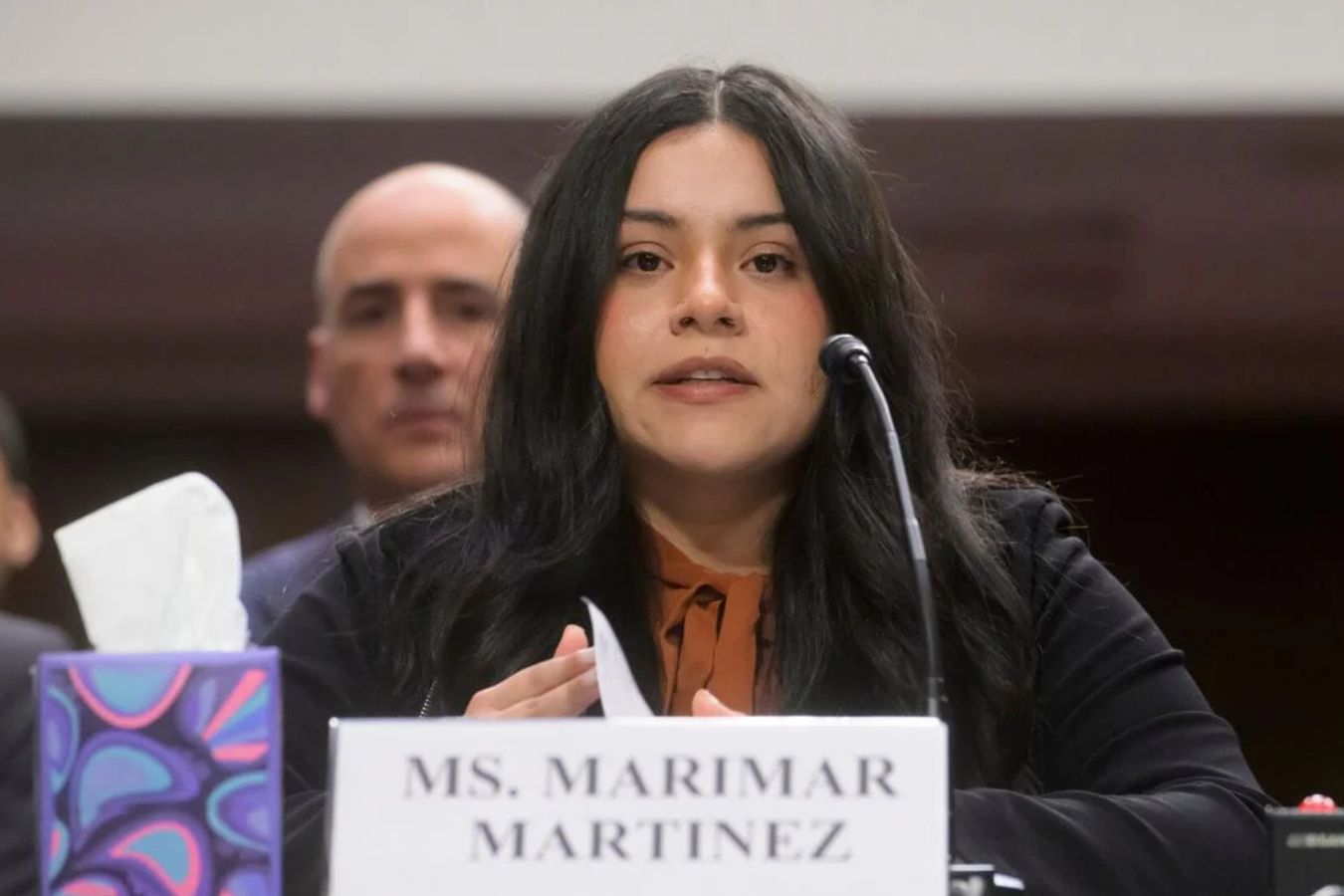
On a chilly February afternoon in Washington, D.C., Marimar Martinez stood before members of Congress and told a story that still feels unreal even to her. One day she was teaching young kids, singing songs, and planning fall activities. The next, she was bleeding from five gunshot wounds, labeled a “domestic terrorist” by her own government.

Martinez, a 30-year-old Chicago native and U.S. citizen, was shot by Border Patrol agents last October in her Brighton Park neighborhood, a heavily Latino area where the sound of Spanish on the block is as normal as the rumble of the L train. Her case has since become a flashpoint in a growing debate over immigration enforcement, use of force, and accountability.
At a public forum on immigration agents’ use of force, Martinez was not alone. Two other U.S. citizens who say they were assaulted by federal agents also testified, joined by grieving family members, legal experts, and lawmakers calling for reform. The message was loud and clear, this is not just about immigration, it is about civil rights.
From Community Alert to Gunfire
Martinez testified that on the day of the shooting, she noticed Border Patrol vehicles moving through downtown Chicago. Concerned for her neighbors, many of whom are immigrants, she followed the agents through her area, honking and shouting “La Migra” to alert people nearby.
For many Latinos, that instinct is familiar. You warn your people, you look out for the block, you do not expect it to turn into a life or death encounter.
After several blocks, Martinez’s car and an agent’s SUV collided. The damage was minor, dents and scrapes. According to court records and testimony, Martinez stopped immediately. The agents’ vehicle stopped just ahead of her. As agents exited their SUV, Martinez drove away, swerving to avoid them.
Moments later, agents opened fire.
Five bullets tore through her arm, chest, and legs.
Only one of the agents had a body camera turned on.
From Victim to Villain
Within hours, the Department of Homeland Security described the incident as an ambush. Martinez was charged with assault, accused of intentionally ramming federal agents. That charge has since been dismissed with prejudice, meaning it cannot be brought back.
But the damage was done.
Martinez says the government’s narrative painted her as a threat before the facts were even reviewed. At the forum, she spoke with raw honesty about the psychological toll of being shot, detained, and publicly branded a terrorist.
She named others too, U.S. citizens killed by immigration or DHS agents in recent years, reminding the room that she survived when others did not.
“They should all be here today,” she said.
Lawmakers Push Back
The forum was organized by Sen. Richard Blumenthal of Connecticut and Rep. Robert Garcia of California, part of an ongoing congressional inquiry into immigration agents detaining and using force against U.S. citizens.
Experts testified that what happened to Martinez was not an isolated failure, but a systemic one. Poor communication, reckless tactics, and a lack of accountability, they argued, endanger both civilians and agents.
Lawmakers called for changes that would allow citizens to sue federal agents for civil rights violations, a move that would strip away the idea that a badge comes with absolute immunity.
As Rep. Garcia put it, serving in uniform does not come with a license to kill.

The Fight for Transparency
Although the criminal case against Martinez is over, the story is far from finished. Her attorneys are now asking a federal judge to release evidence from the case, including body camera footage and official communications.
Their argument is simple, if the government continues to publicly label Martinez a “domestic terrorist,” then the public deserves to see the evidence.
Federal prosecutors have said they will not oppose releasing some materials, including video of the crash and agent interviews, but are resisting the release of private text messages.
A ruling is expected soon.
“Help Bring Back the America I Loved”
Martinez closed her testimony with a plea that struck a nerve in the room, especially for Latinos who grew up believing citizenship meant safety, protection, and dignity.
The bullets left scars she will see every day, when she gets dressed, when she goes to the beach, when she kneels on the floor with her students. But the deeper wounds, she said, are mental, knowing her own government tried to end her life, and then tried to destroy her name.
Her final words were not just for Congress, but for a country at a crossroads.
“If there’s no justice for the people,” she said, “let there be no peace for the government.”