


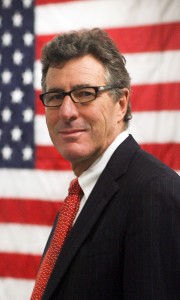
Allan Wernick is a professor at Baruch College, City University New York (CUNY), and the Director of CUNY Citizenship Now!. His twice-weekly column, “Immigration” appears twice weekly in the New York Daily News and his column “Immigration and Citizenship” is syndicated by King Features Syndicate, and his column “Immigration Advice” . Professor Wernick has taught immigration and policy at the University of California Los Angeles (UCLA) and at California State University at Dominguez Hills.
Professor Wernick has served on the National Board of Directors of the American Immigration Lawyers Association (AILA), as Chair of the Immigration Committee of the Association of the Bar of the City of New York, and as President of the New York Chapter of AILA.
Q&A
1. Share the greatest impact of your childhood.
My parents taught me that one should fight for one’s rights and for the rights of others, to not back down and to not discriminate against those who are different.
2. Define your experience growing up?
My family was always grateful that we had enough to eat and a roof over our heads. My parents worked hard but life was never harsh. I was fortunate to have attended middle and high schools with diverse student bodies. I believe it was my parents’ belief in justice and my experience with youth from many backgrounds that shaped my professional life.
3. Tell us some of the challenges you’ve had to overcome.
Like most immigrant working class youth, I faced challenges competing with those from higher economic strata. Until I attended college, I was unaware that non-religious private high schools existed. I attended a private university and had to compete with these students and their better preparation for college. This was before public “magnet schools” became a national trend. In law school, I wasn’t even fully aware of what constituted success until my third year when I learned that “making” Law Review was selective, prestigious, and a sign of law school success. I thought it was just another club.
4. What would you say was the greatest positive influence on your career?
After my first year of law school, I interned at a Mexican immigrants’ rights organization. My serving there was serendipitous. My time at the Centro Acción Social Autonomo shaped and guided my professional and political activities from then on.
5. As an honoree, what do you hope that being a trendsetter will inspire you to accomplish?
It is a great honor to be recognized for my work with Latinos. The need for citizenship and immigration law services will only increase in coming years. I hope to continue making a contribution to meeting this need.