

Tokischa, the Dominican rapper who appears on the track, also performed a scene on all fours inside a doghouse.
“I’d want to apologize to everyone who was upset, particularly the black community,” J Balvin said on Instagram.
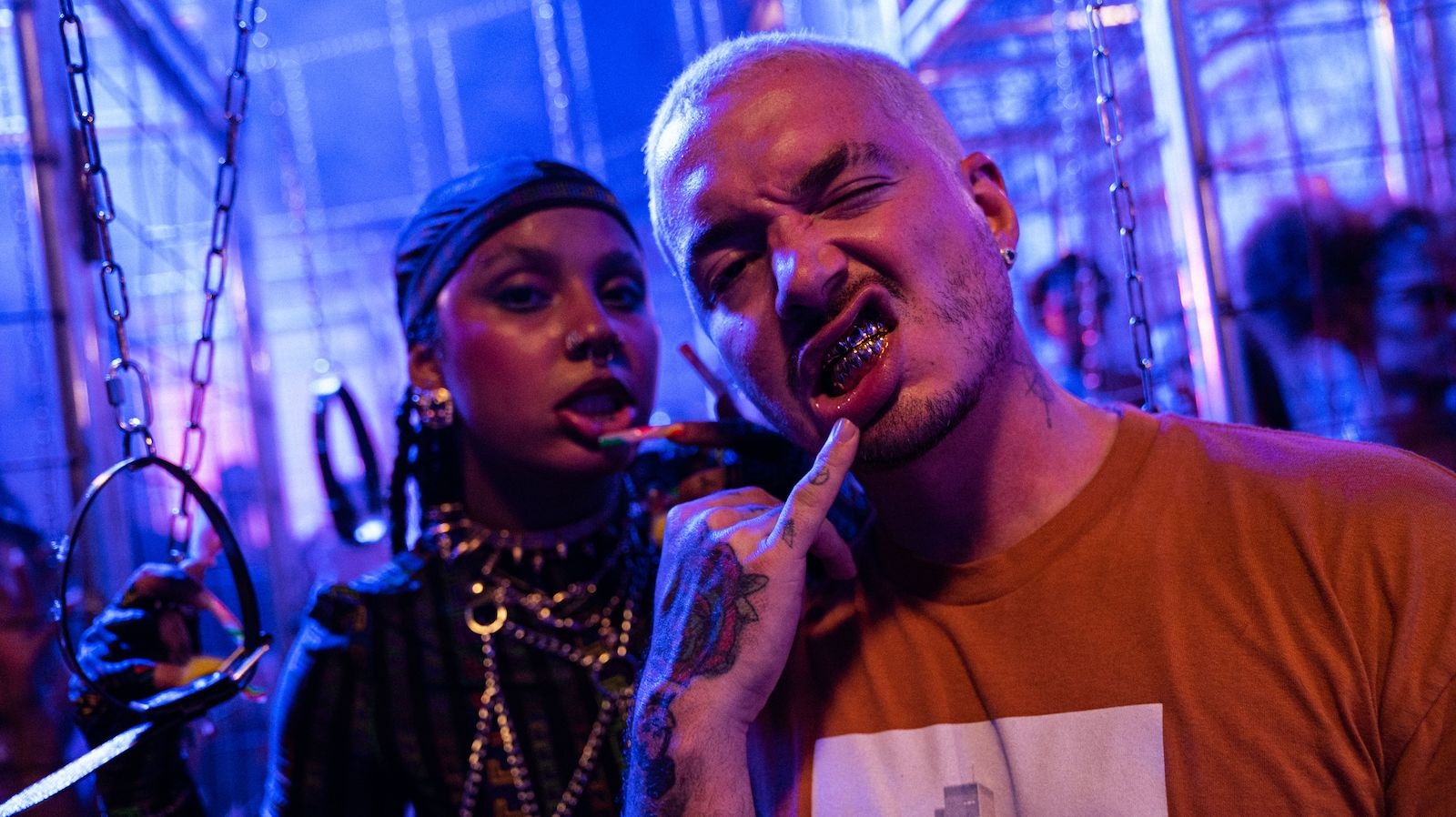
“I’m not like that. Tolerance, love, and inclusion are important to me.
“I also want to promote young artists, such as Tokischa, a lady who inspires women while also supporting her people and neighborhood.”
Balvin, 36 is one of Latin music’s most popular artist with close to 40 million albums sold worldwide. In the United Kingdom, he had two top ten hits: Mi Gente from 2017, which included a guest verse by Beyoncé, and I Like It from 2018, which he collaborated on with Cardi B.
Perra is from the star’s sixth studio album, José, a 24-track collection that blends his colorful, chart-friendly reggaeton with more personal reflections on his origins and mental health struggles.
The track, whose English title translates to “bitch,” and in the video, Balvin trades rhymes with Tokischa, who portrays herself as a “dog in heat” and urges “let’s fall in love like strays,” in this edgy, sexually charged street rhythm.

After their debut on September, both the song and the video garnered criticism in many countries
Marta Luca Ramrez, Colombia’s vice president and chancellor, described the song as “sexist, racist, chauvinist, and misogynistic.”
“In his film, the artist displays pictures of women and persons of Afro-descendants – demographic groups with specific constitutional protection – with dog ears,” she stated in an open letter released to the media in Colombia and beyond.
“In addition, the singer is shown strolling with two Afro-descendant ladies who are chained to their necks and crawling on the floor like animals or slaves.”
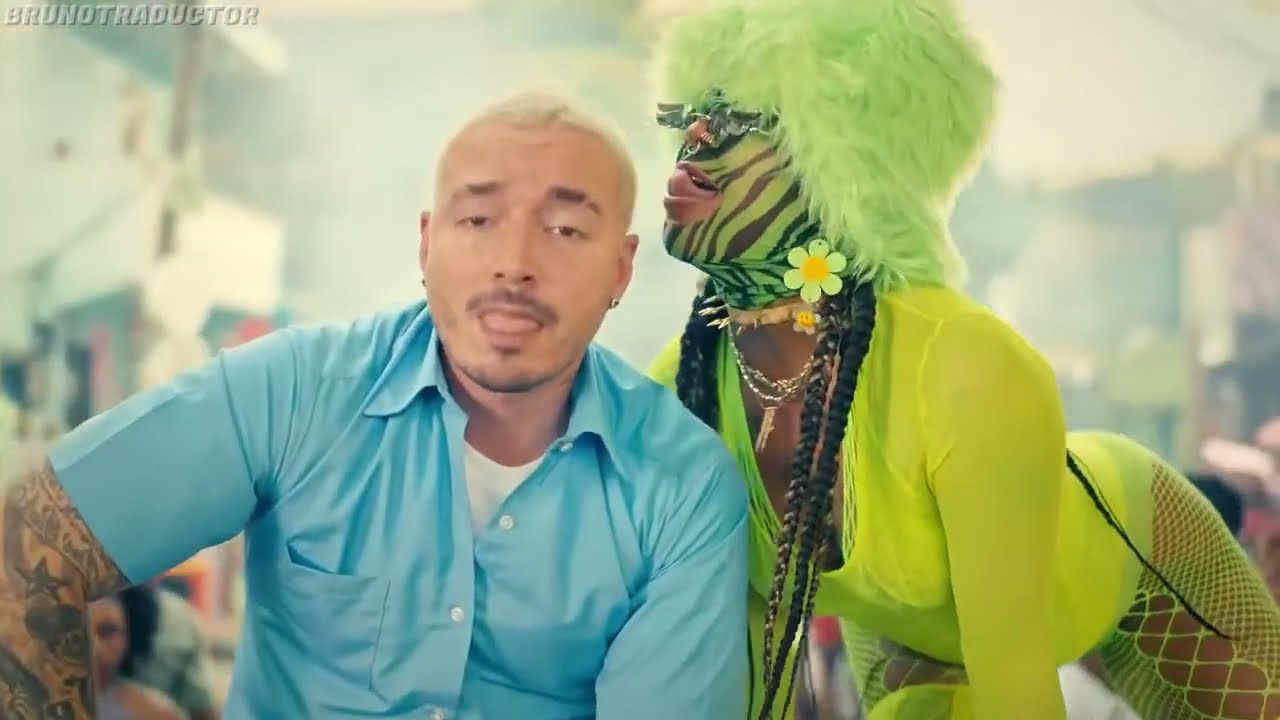
She urged Balvin and other members of the music business to sign a petition that “includes different promises for the promotion of women’s rights in music and the prevention of violence against them.”
Balvin’s mother told a Colombian television station that she had chastised her son over the song.
“When I discovered it, I contacted him and said, ‘Where is my Josésito?’” Alba Mery Balvin spoke to Cosmovisión about it. “That song isn’t for you… I have no idea what to say. I couldn’t find José anywhere.”
The singer took the video down from YouTube and afterwards, he apologized.
“I withdrew the video out of respect,” he said on his Instagram story. “However, since the criticism has persisted, I’m here to make a statement.”
“I’m sorry, too, Mom.” Every day, life improves. Thank you for taking the time to listen to me.”
In an interview with Rolling Stone, Tokischa also apologized, attempting to explain the reasoning for the pictures.
“It was a conceptual piece.” “If you have a song about dogs and you’re creative, you’re going to construct that universe,” she said.
“I understand people’s interpretations, and I’m sincerely sorry if they were upset.” Art, on the other hand, is a form of expression. It’s the act of constructing a world.”
Tokischa’s manager and the film’s director, Raymi Paulus, said that the video was supposed to be a “satirical portrayal” of the “various contexts of the term ‘perra,’” as well as life in the Dominican Republic’s poor barrios and how its residents are seen in society.
“We never intended for our creative process to encourage racism or misogyny,” he stated.
“The Dominican Republic is a nation where the majority of the population is black, and our blackness is particularly prevalent in underground settings, where the shooting took place and which served as the idea for the video.”
“Perra was a video shot within the barrios of Dominican Republic with locals, and the inclusion of people of color in Perra was nothing more than our community (real people) involvement in it.”