


Flying Taxis Arrive in the Dominican Republic: What You Need to Know
The Dominican Republic just made history by debuting flying taxis. Here’s how the service works, what it means for tourism, and what comes next.
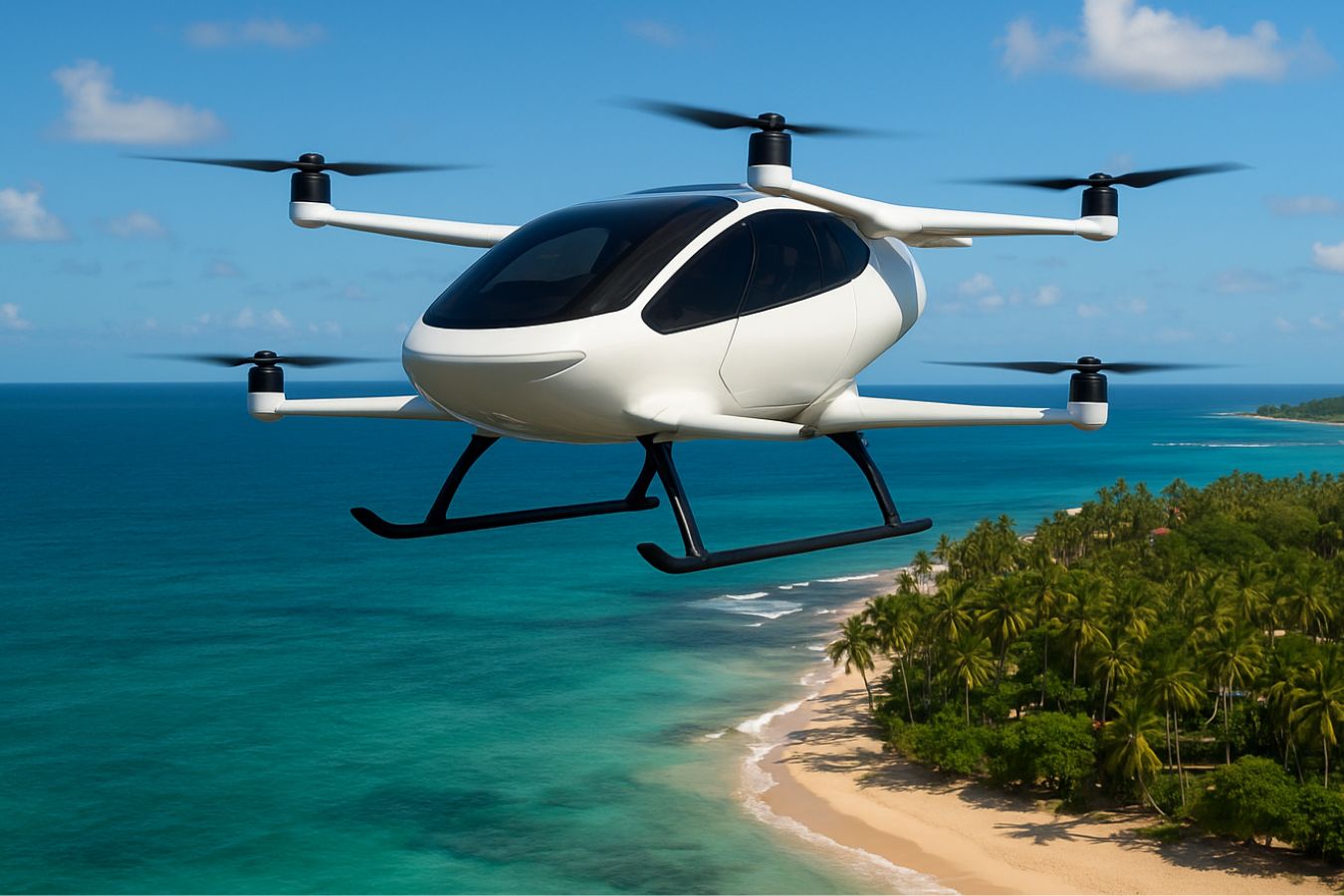
The Future of Travel Takes Off in the Caribbean
The Dominican Republic has officially stepped into the future of transportation. In late August 2025, the country unveiled its first passenger-carrying flying taxis, two-seat drone aircraft designed to skip over ground traffic and deliver travelers to their destinations in minutes.
The project is being pushed by entrepreneur Karim Abu Naba, who says rides will soon be available through a new booking app called Fluir, with starting prices around $100 per trip. Unlike helicopters, these sleek electric crafts are remotely piloted by a crew on the ground, offering passengers a futuristic, driverless experience.

How It Works
The drones are designed for short hops, like airport-to-resort transfers or scenic tours of the coastline. Each flight carries two passengers, with a pilot and copilot monitoring remotely from a ground control center.
For now, expect service to focus on fixed routes, pre-booked slots, and strict luggage limits. Think of it as a premium transfer or tourist attraction rather than a casual taxi you can hail anywhere, anytime.
Why It Matters
The DR’s move makes it one of the first countries in the Americas to launch flying taxi services. For a nation where tourism is the lifeblood of the economy, cutting travel time from airports to resorts is a game-changer.
With helicopter transfers often costing far more, a $100 aerial hop could become a mid-range luxury option, accessible not just to VIPs but to a wider swath of tourists looking for speed, convenience, and bragging rights.
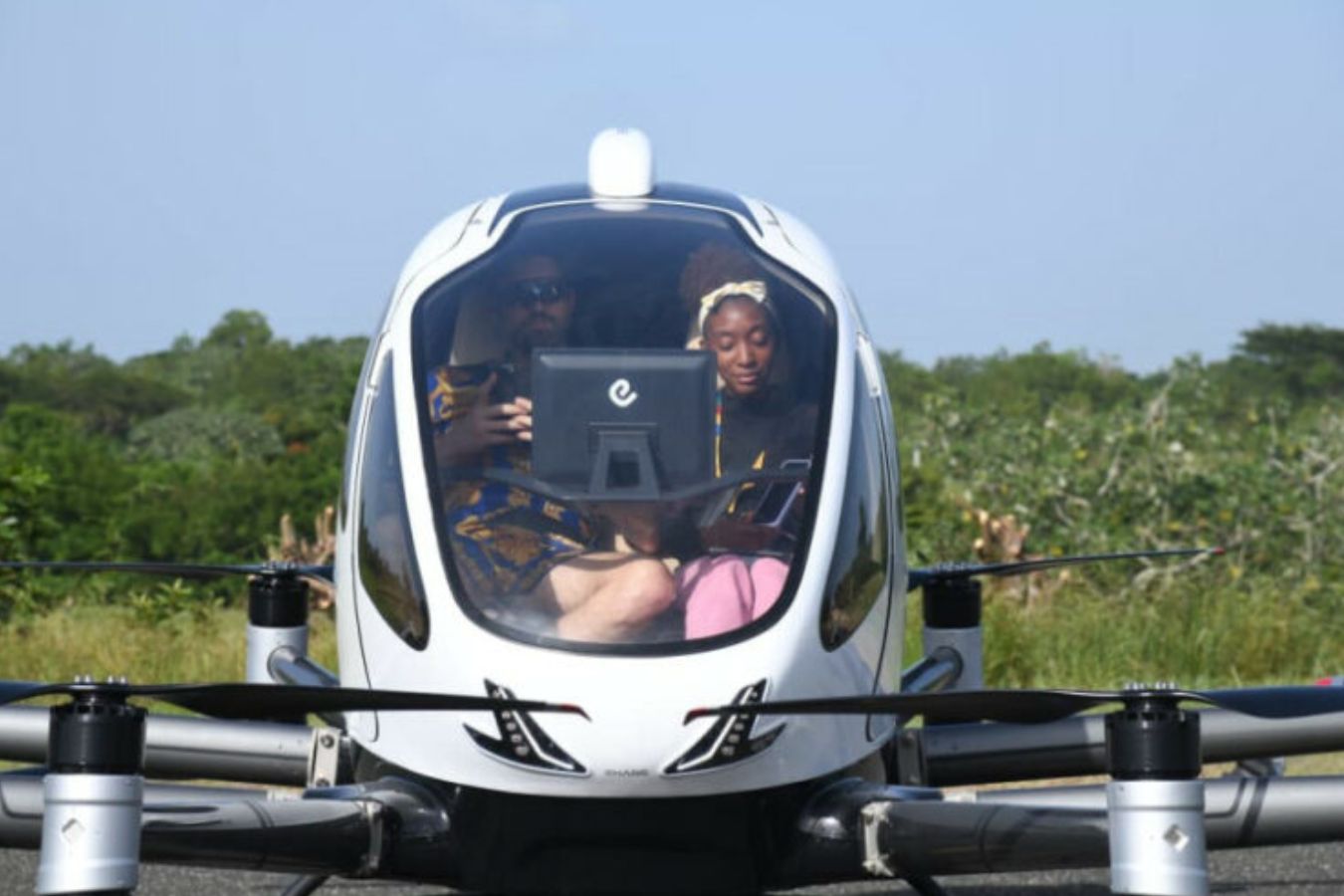
The Road (or Sky) Ahead
While the launch has captured headlines, there are still big questions:
- Regulation: Aviation authorities will need to approve operations under strict safety rules.
- Scalability: Routes, fleet size, and frequency are still limited.
- App readiness: Fluir, the booking app, is currently in alpha testing, with a full beta expected in 2026.
In other words, this is just the first step. The Dominican Republic is testing the waters (or skies), and success will depend on how regulators, operators, and travelers respond.
Bottom Line
The Dominican Republic is betting big on advanced air mobility, positioning itself as a regional leader in futuristic travel. While it may be years before flying taxis are as common as Ubers, this debut marks a bold start—one that could transform the way visitors and locals move across the island.
For now, passengers can expect a taste of tomorrow: a short, scenic, high-tech ride that turns gridlock into a distant memory.