

From Veracruz to New Orleans Mayor: Helena Moreno’s Road to City Hall
Helena Moreno Is New Orleans First Hispanic Mayor. When Helena Nancy Moreno took the oath of office as New Orleans’ 63rd mayor on January 12, 2026, the applause wasn’t just because a new mayor had arrived, but because a historic milestone was reached, the city’s first Hispanic mayor, born in Mexico, now leading one of America’s most iconic cultural hubs.
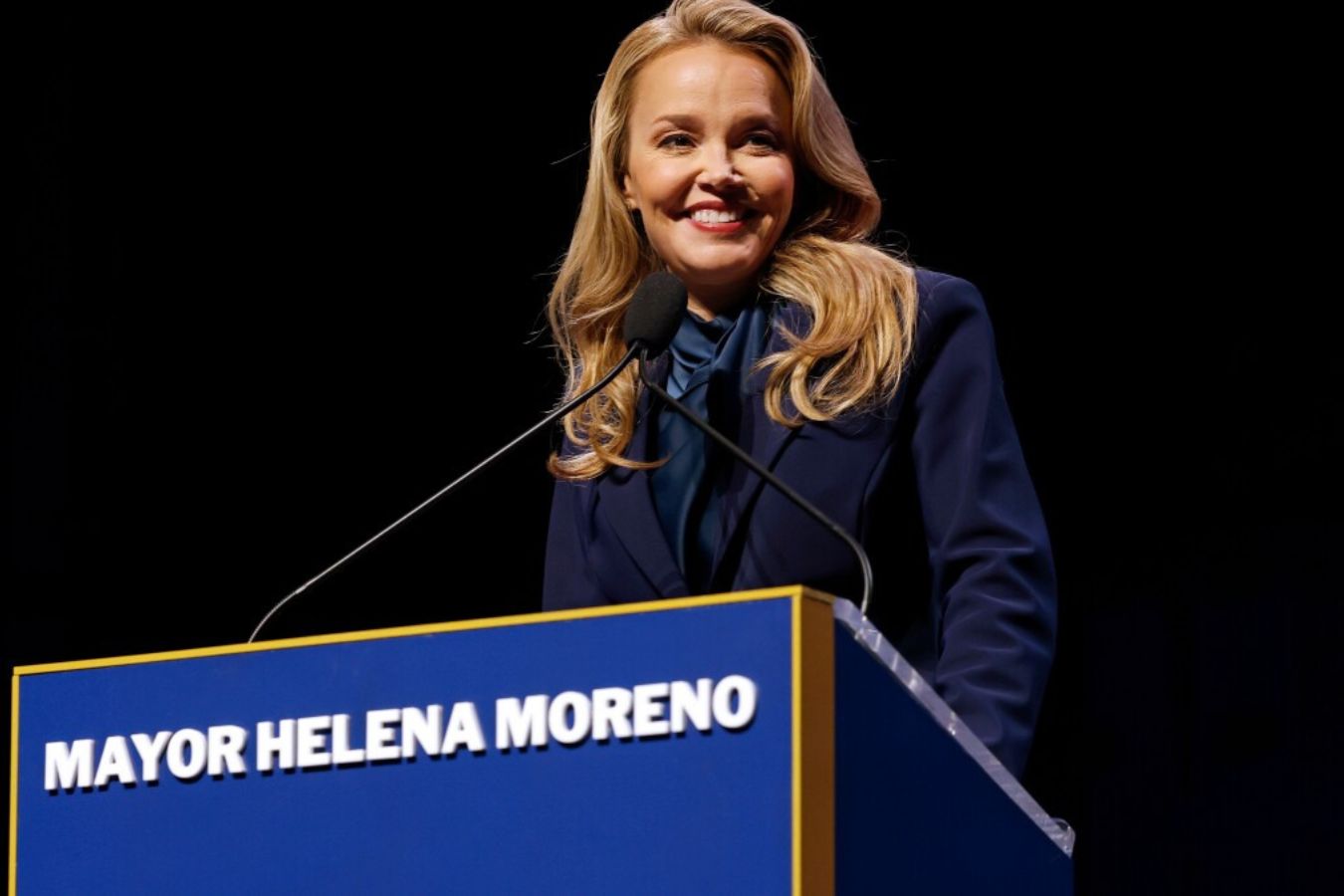
Born on September 30, 1977, in Veracruz, Mexico, Moreno’s story begins far from the jazz clubs and bayous of Louisiana. Her childhood was a blend of Mexican roots and Texan realities, her family moved to Houston when she was eight, navigating a new language and culture with the familiar rhythms of home still in her heart. Spanish was her first language, and like many immigrant kids, school was as much about decoding textbooks as it was about finding her place in a new world.
Moreno excelled academically, eventually earning a Bachelor of Arts in Mass Communications from Southern Methodist University in Dallas. Even as a student, she was already straddling worlds, studying in Madrid and interning in Washington, D.C., including a stint in the White House under First Lady Hillary Clinton, an early sign that politics might become her stage.
From Eyewitness to Advocate: A Journalist’s Leap into Politics
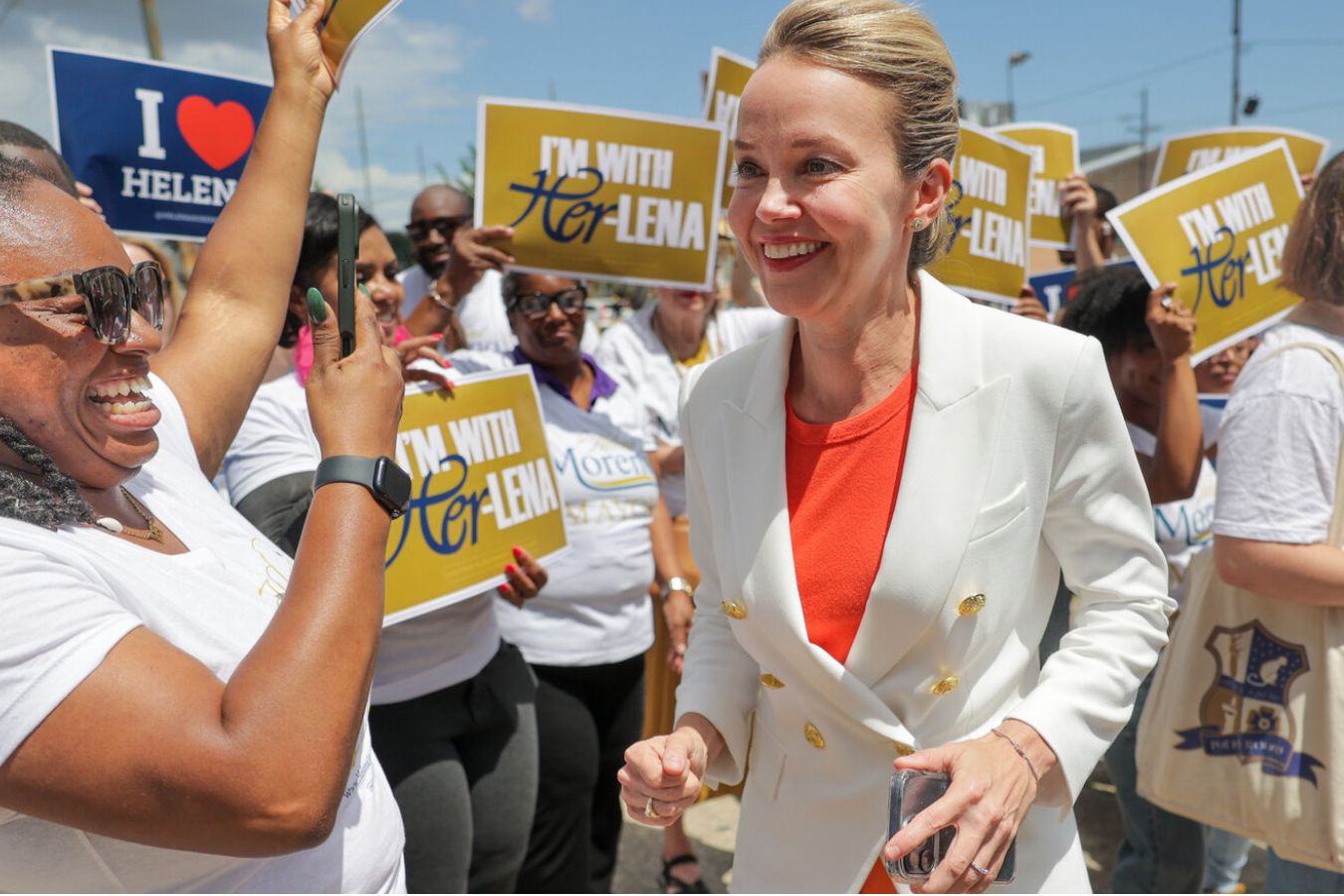
Instead of diving straight into politics, Moreno first became a familiar face on local TV. In New Orleans, she worked as a journalist and anchor at WDSU-TV, where she covered everything from feel-good community stories to traumatic breaking news like Hurricane Katrina. That’s a crash course in both the city’s resilience and its needs. Her credibility came not just from knowing the city’s stories, but from telling them with heart.
But seeing the challenges firsthand sparked something deeper, Moreno wanted to do more than report problems, she wanted to solve them.
New York’s First Dominican Bishop, Youngest in the US, and He Raps
Her first political run in 2008, a bid for Congress didn’t pan out, but it didn’t knock her off course. Instead, she pivoted to local service, winning a Louisiana House seat in 2010, representing a richly diverse district that included Tremé, Central City, Mid-City, and the French Quarter. In Baton Rouge, she championed criminal justice reform, women’s rights, health care access, workplace protections, and early childhood education, the kind of issues that reflect the daily grind of working families everywhere.
A Council Leader and Now a Mayor
By 2017 Moreno had become an at-large member of the New Orleans City Council, later rising to Council President before her 2025 mayoral run. Her leadership was often defined by practical, people-centric priorities, improving economic opportunities, streamlining city services, and trying to make City Hall work the way it should.
In October 2025, she won the mayor’s race with 55% of the vote, avoiding a runoff, and cementing her place in history. Local and national leaders alike praised her victory as a win for accountability, equity, and community empowerment.
The Latino Thread in Her Story
For U.S. Latinos, Moreno’s journey lands with both familiar struggles and hopeful echoes. She’s a child of immigration, someone who walked into a classroom with a language gap and walked out into leadership. She understood, not in theory, but in lived experience, what bilingual families and bicultural Americans juggle every day.
Her fluency in Spanish isn’t just symbolic; it’s practical. It has helped bridge cultural divides in a city where Latinos are a growing yet historically underrepresented community. Her mayoralty sends a powerful message: your story belongs here, and your voice can lead here.
Bold First Moves and Mounting Challenges
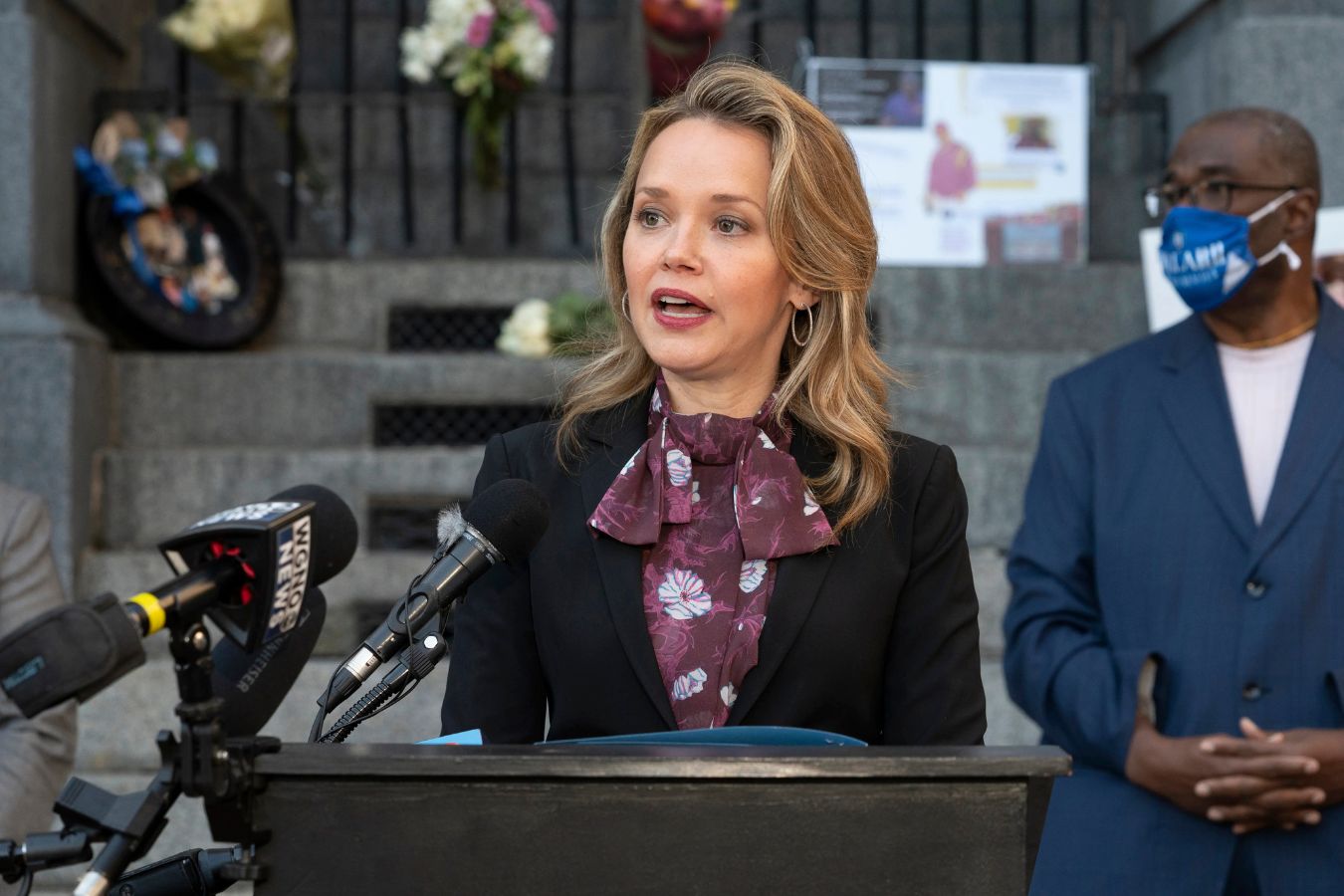
From the day she stepped into office, Moreno made it clear she wasn’t interested in ceremonial leadership. Within hours of taking office, she signed a flurry of executive orders aimed at restoring trust in government, fixing the budget crisis, and reforming city administration, a bold 100-day plan to tackle the city’s most stubborn problems.
One of her first initiatives as mayor was the “Lights On” program, a citywide effort to repair streetlights, beginning with neglected neighborhoods like New Orleans East, signaling her commitment to equitable services.
Yet the road ahead is anything but smooth.
Her administration has sparked controversy, particularly after restructuring how the city addresses climate policy, dissolving the standalone Office of Resilience and Sustainability and redistributing its duties across city departments. The move drew significant backlash from residents and activists, with hundreds signing petitions urging a reversal.
Celia Cruz Makes History as First Afro-Latina on U.S. Coin
Meanwhile, Moreno must navigate a daunting budget shortfall, ongoing public safety concerns, and the pressure to attract jobs and investment, all while restoring faith in local government after years of financial instability and political turmoil. Experts highlight these issues as make-or-break tests for her administration.
Why It Matters
For many Latinos watching from across the U.S., Helena Moreno’s ascent is both inspiring and instructive. It shows that even in a city with centuries of history, a Mexican-born immigrant can rise to one of its top leadership roles, proving that democracy still has room for new stories.
Her victory doesn’t erase challenges, but it does underscore something universal: that grit, cultural duality, and the courage to step into rooms where you’re not expected can reshape a city’s trajectory.
And for a place like New Orleans, a city that has always danced to its own beat, Moreno’s leadership might just be the rhythm it needs next.