

After the initial success of birth control trials in Boston during 1954 and 1955, scientists John Rock and Gregory Pincus were convinced they had refined an effective oral contraceptive. However, without large-scale human trials, they had no chance of securing FDA approval to bring the drug to market. Given the intense legal, cultural, and religious opposition to birth control in 1950s America, finding a suitable location for these crucial trials seemed nearly impossible. The solution?…. Puerto Rican women used as guinea pigs in birth control test.
Puerto Rico as a Testing Ground
Puerto Rican Women Used as Guinea Pigs in Birth Control Test.
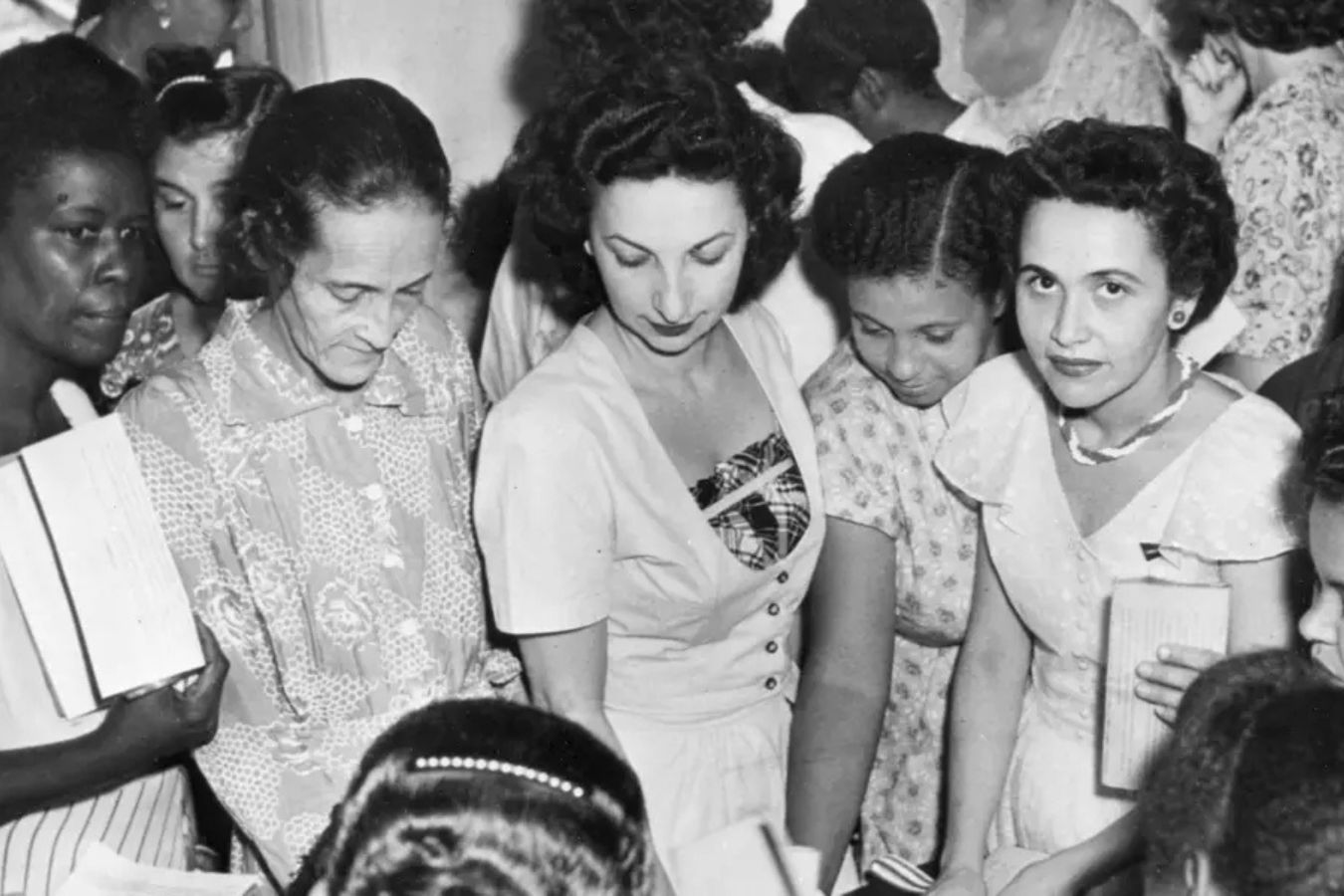
In the summer of 1955, Gregory Pincus traveled to Puerto Rico and saw an opportunity. As a U.S. territory, the island had no legal restrictions on birth control, and government officials supported contraception as a means of population control to combat widespread poverty. Additionally, a robust network of family planning clinics was already in place, with 67 clinics actively distributing contraceptives. Many Puerto Rican women were already seeking birth control, making them ideal candidates for the study.
Poor, Uneducated Women Were the Targets
For Pincus, Puerto Rico provided an accessible and controllable population for the trial. He also believed that if women in Puerto Rico—many of whom were poor and lacked formal education—could successfully follow the Pill regimen, then women anywhere in the world could too. His goal was to prove skeptics wrong, demonstrating that oral contraception could be simple enough for women in both developing countries and American inner cities to use.
Read: Lolita Lebron Was a Nationalist, Activist & Overall Badass
The First Experiment
The first trial was conducted at a clinic in Rio Piedras, a newly built housing project just outside San Juan. The project had replaced one of the island’s worst slums, El Fangito (meaning “the little mud hole”), with modern, white, seven-story buildings. Residents were eager for a better quality of life, and the availability of factory jobs for women made birth control an appealing option for those wanting to limit family size.
By April 1956, the Rio Piedras trial was fully enrolled, prompting an expansion to additional sites across the island. Despite Puerto Rico being a predominantly Catholic territory, concerns about daily survival outweighed religious teachings on birth control. At the time, sterilization and abortion were common methods of family planning, making the Pill an attractive alternative.
Unexpected Side Effects
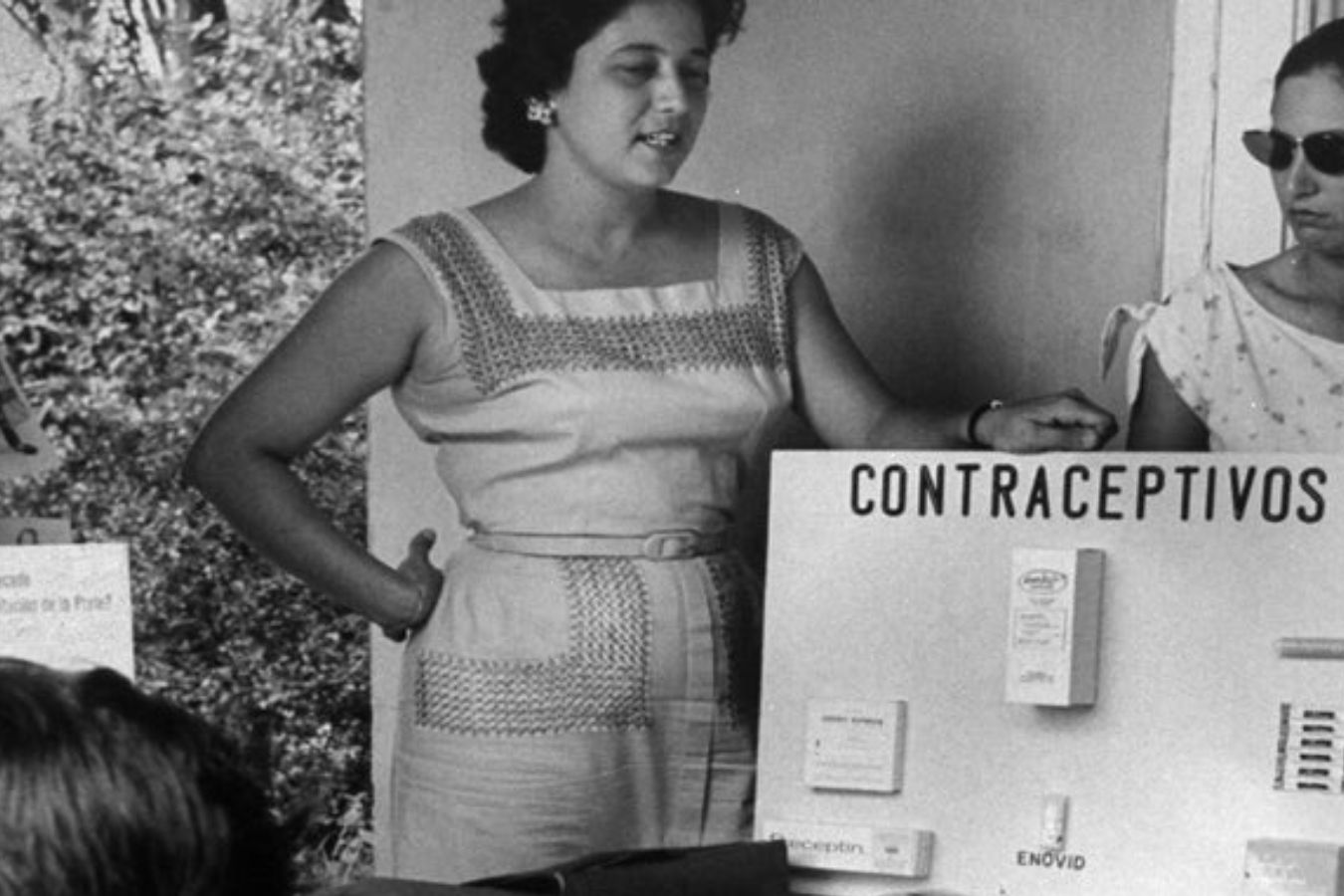
The pharmaceutical company G.D. Searle supplied the pills for the trials. To ensure effectiveness, John Rock selected a high dose of Enovid, an early version of the Pill containing synthetic progesterone. Later, synthetic estrogen was added to improve its efficacy.
Dr. Edris Rice-Wray, medical director of the Puerto Rico Family Planning Association, oversaw the trials. After a year of testing, she reported that the Pill was 100% effective when taken correctly. However, she also documented that 17% of participants experienced severe side effects, including nausea, dizziness, headaches, stomach pain, and vomiting. She warned that the 10-milligram dose of Enovid caused “too many side reactions to be generally acceptable.”
Rock and Pincus dismissed Rice-Wray’s concerns. They noted that their Boston trial participants had reported fewer side effects and suspected that many of the complaints from Puerto Rican women were psychosomatic. To them, discomforts such as bloating and nausea were minor compared to the benefits of a reliable contraceptive.
Shockingly, three women died during the trials, yet no investigation was conducted to determine if the Pill was responsible. Pincus and Rock remained confident in the drug’s safety and pushed forward without reassessing its risks.
Read: Latina Legend Rita Moreno Reveals All In Memoir Including ‘near fatal’ Love Affair With Marlon Brando
Backlash
In later years, critics accused the researchers of exploitation, deceit, and colonialism. The women participating in the trials were never informed that they were part of an experiment or that the Pill was still in its testing phase. They were simply told they were receiving a new form of birth control—without being warned of potential dangers.
At the time, ethical standards for human trials were far less rigorous than today. Informed consent was minimal, and only basic toxicity tests were required before testing new drugs on human subjects. Pincus and Rock believed they were following the best practices of their era, but history would judge their actions differently.
Decades later, the Puerto Rico Pill trials remain a deeply controversial chapter in the history of reproductive health. The dosage has since been significantly reduced, and modern birth control pills have far fewer side effects. Still, the question lingers—did the rush to bring the Pill to market come at the cost of women’s health and autonomy? The trials paved the way for one of the most significant medical advancements of the 20th century, but at what ethical cost?