

Donald Trump’s “Big Beautiful Bill”: Who Wins, Who Loses?
In a move that’s already shaking up political discourse across the country, President Donald Trump’s much-touted “big beautiful bill” has officially passed the Senate. The sweeping legislation—long promoted by Trump as a centerpiece of his post-presidency political vision—now moves closer to becoming law.
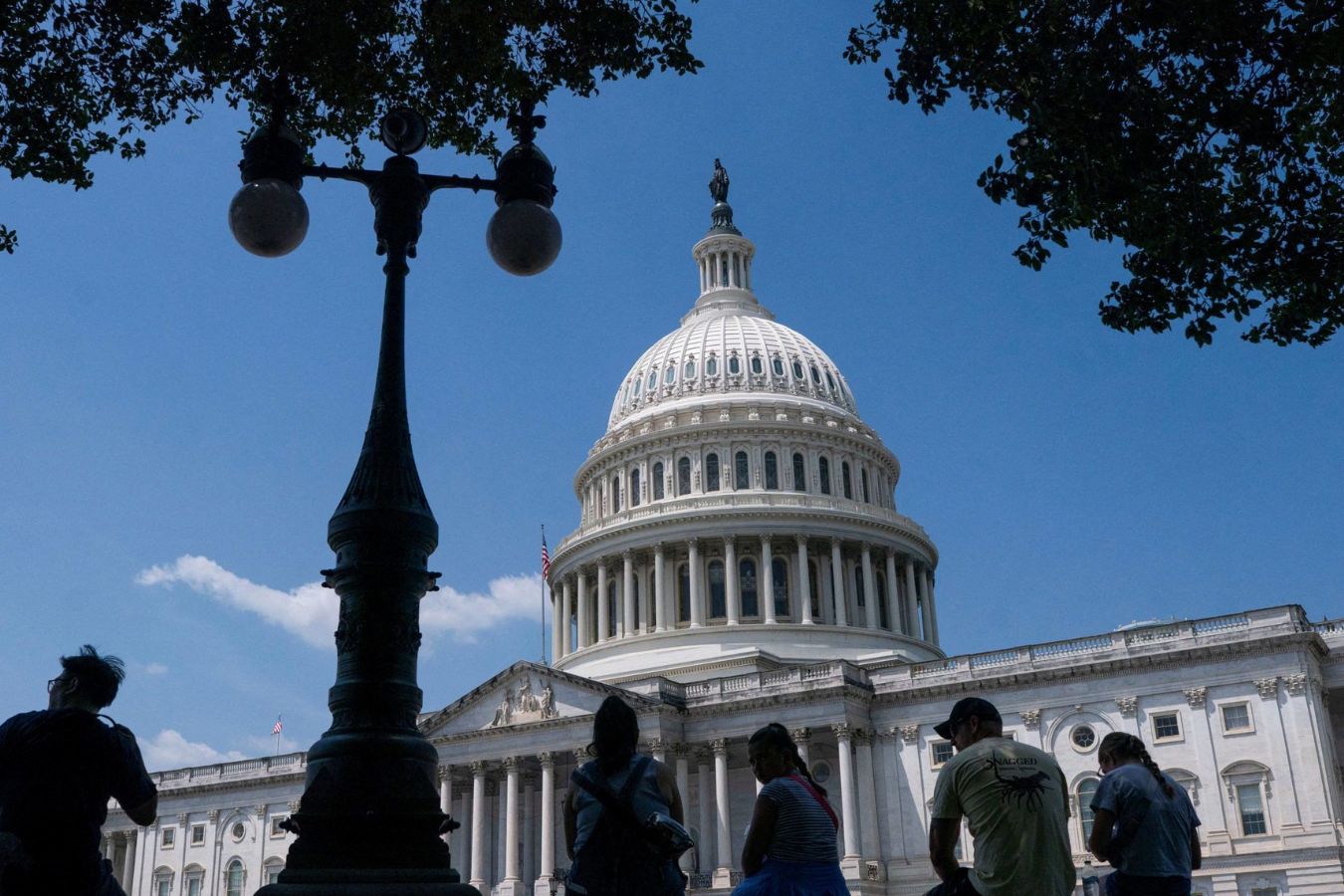
With bold promises of economic revitalization, immigration reform, and reshaping federal power, the bill’s passage marks a major victory for Trump-aligned lawmakers and sets the stage for a deeply polarized national response. Here’s what’s inside the bill, who it helps, who it doesn’t, and what it could mean for everyday Americans.
What’s in the Bill?
- Major Tax Cuts: Especially for corporations and high-income earners
- Middle-Class Tax Relief: A modest reduction in income tax brackets
- Small Business Incentives: Deductions and grants for businesses with under 50 employees
- Reduced Federal Regulations: Especially in energy, manufacturing, and tech
- Spending on Infrastructure and Border Security
- Tougher Work Requirements for welfare and Medicaid eligibility
If Passed, What Changes?
This bill is a blend of economic stimulation and conservative ideology. The intended result is to boost business growth, fuel job creation, and slow government spending. However, critics argue it’s a trickle-down economic strategy in disguise—benefiting the wealthy while leaving lower-income Americans behind.
Who Benefits the Most?
- Upper Class & Corporations:
The biggest winners would be high earners and large companies. With significant corporate tax breaks and capital gains cuts, the wealthiest Americans stand to keep more of their income—and pass down more generational wealth. - Small Businesses:
The bill promises grants and easier tax deductions for small businesses, aiming to encourage entrepreneurship, especially in rural and underserved areas. - Middle Class (Kind of):
There are tax cuts for middle-income earners, but they’re relatively modest compared to the high-end cuts. Plus, if inflation or interest rates spike, those savings could evaporate.
Who Could Be Hurt?
- The Poor & Working Poor:
Tighter restrictions on welfare, food stamps, and Medicaid could make life harder for those already struggling. Reduced access to safety-net programs may force more people into low-wage jobs just to survive. - Public Service Programs:
Cuts to federal funding could impact education, affordable housing, and healthcare—services many working-class families rely on.
Read: Latino Entrepreneurs are Outpacing All in Business Ownership with a 46% Growth Since 2007
How It Impacts Each Class:
Middle Class:
- Gets some tax relief
- Could benefit from job growth, but risks losing out if wages stagnate or healthcare costs rise
- Public school and infrastructure funding might be reduced in some areas
Poor Americans:
- Face cuts to crucial support programs
- May see fewer job opportunities if local programs and services are scaled back
- Could fall deeper into poverty without safety nets
Upper Class:
- Large tax savings
- Business-friendly climate with fewer regulations
- More room to invest and grow personal wealth
The Impact
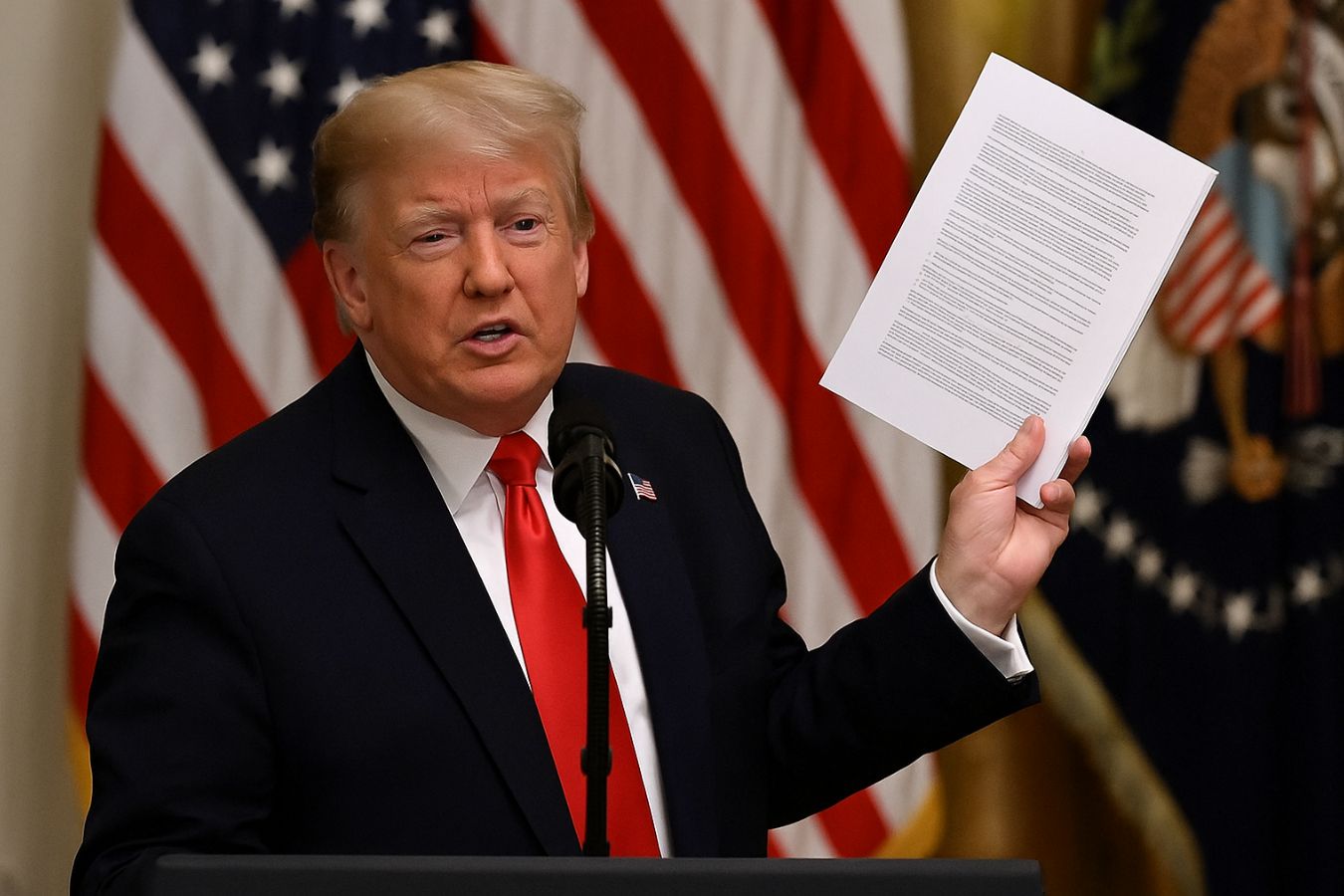
Supporters say the bill will drive job creation, boost investments, and reduce government dependency. Critics warn it will deepen the wealth gap, hurt vulnerable populations, and lead to underfunded public services.
In short, the “Big Beautiful Bill” reflects Trump’s classic economic playbook: cut taxes, reduce regulations, and shrink the government’s role. Whether it helps or harms largely depends on where you sit on the economic ladder.