

Che Guevara is a name that elicits strong reactions from people all over the world. To some, he is a revolutionary hero who fought for justice and equality. To others, he is a violent villain who disregarded human rights and caused chaos in the countries he sought to liberate. In this article, we will explore the life and legacy of Che Guevara and attempt to answer the question of whether he was a hero or a villain.

Early Life and Education:
Ernesto “Che” Guevara was born on June 14, 1928, in Rosario, Argentina. He came from a middle-class family and was one of five children. From an early age, Che was interested in politics and social justice. He attended medical school at the University of Buenos Aires, where he became involved in left-wing political groups. During this time, Che’s political beliefs began to solidify, and he became convinced that the only way to bring about social change was through revolution.
Revolutionary Activities:
Che Guevara’s most famous role was in the Cuban Revolution, where he fought alongside Fidel Castro and helped to establish a socialist government in Cuba. Che’s guerrilla tactics and strategic thinking were instrumental in the success of the revolution, and he became a close advisor to Castro. After the revolution, Che continued to be involved in revolutionary activities throughout Latin America, attempting to spread socialist ideas and inspire rebellion against oppressive regimes.
Views on Violence and Human Rights:
One of the most controversial aspects of Che Guevara’s legacy is his views on violence and human rights. Che believed that violence was a necessary tool for achieving revolutionary goals, and he did not shy away from using it. Some of his actions, such as ordering the execution of political prisoners, have been widely criticized as violations of human rights. However, Che argued that the ends justified the means, and that the violence he used was necessary to bring about a more just and equal society.
Legacy and Cultural Impact:
Che Guevara’s image has become a symbol of revolution and rebellion all over the world. His face has been reproduced on t-shirts, posters, and other merchandise, and his name has become synonymous with socialist ideals. However, the use of Che’s image in commercial products has been criticized as trivial
Involvement with Cuba and Fidel Castro:
In 1954, Che Guevara met Fidel Castro in Mexico and joined his guerrilla movement to overthrow the Batista regime in Cuba. He played a crucial role in the revolution, leading troops in battle and implementing agrarian reform. After the revolution’s success, he became a high-ranking government official and diplomat.
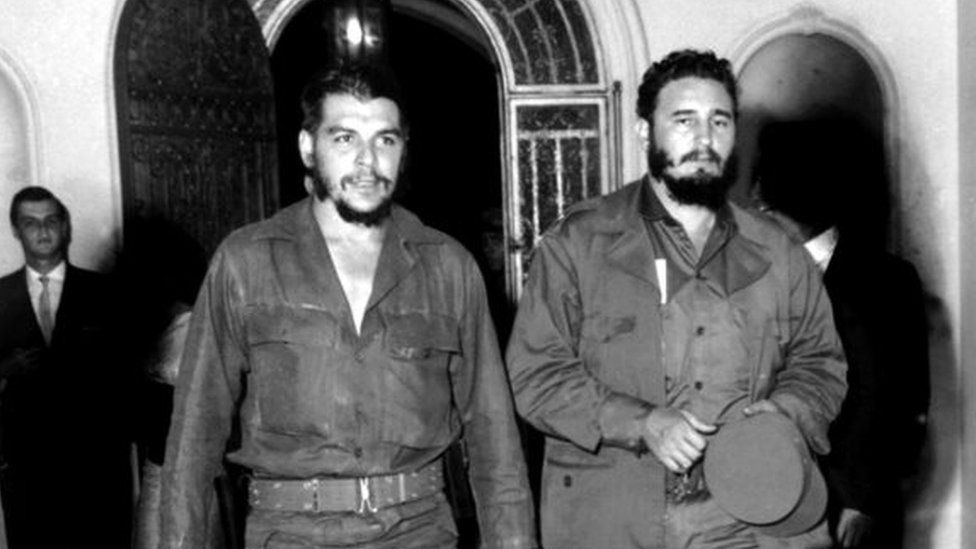
Che Guevara is widely recognized as one of the most influential Marxist revolutionaries of the 20th century. He played a pivotal role in the Cuban Revolution alongside Fidel Castro and became a high-ranking government official and diplomat in the post-revolution government.
After joining the guerrilla movement led by Fidel Castro in 1955, Guevara played a significant role in the Cuban Revolution, leading troops in battle and implementing agrarian reform. After the revolution’s success in 1959, Guevara was appointed as the head of the Ministry of Industry and later as the President of the National Bank of Cuba.
The Legend of Che Guevara
During his tenure as the head of the Ministry of Industry, he was tasked with managing Cuba’s industrial development. He focused on developing and modernizing the country’s manufacturing sector, with a particular emphasis on heavy industry. Guevara believed that industrialization was essential to Cuba’s economic independence and aimed to create a self-sufficient economy that was not reliant on foreign aid or investment.
One of Guevara’s most significant contributions to the post-revolution government was his emphasis on education and healthcare. He believed that these were fundamental rights that should be accessible to all Cubans, regardless of their social status or income level. Under his leadership, the government invested heavily in these sectors, building new schools and hospitals and expanding access to basic services.
In addition to his duties as a government official, Che Guevara also played a crucial role in Cuba’s foreign policy. He was a vocal advocate for anti-colonial and socialist movements in Africa and Latin America and participated in internationalist efforts to support these movements. Guevara also played a key role in Cuba’s alliance with the Soviet Union and was instrumental in negotiating trade and aid agreements between the two countries.
Despite his contributions to the Cuban Revolution and post-revolution government, Guevara was not without controversy. He ordered the execution of alleged traitors and counter-revolutionaries in Cuba, advocated for violent revolution and armed struggle, and implemented forced labor camps known as “UMAPs.”
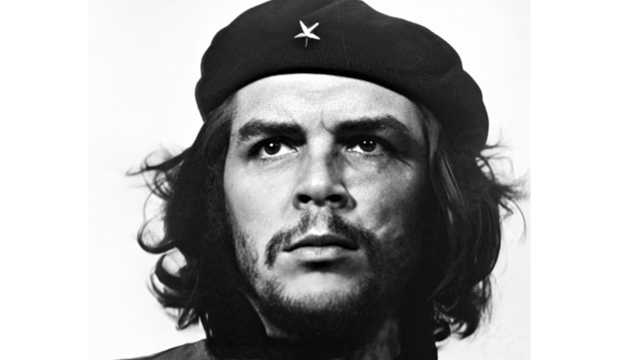
Guevara’s duties in Cuba were varied and significant. He played a key role in the country’s industrialization and modernization, prioritized education and healthcare, and advocated for anti-colonial and socialist movements worldwide. While controversial and polarizing, Guevara remains an influential figure in the history of revolution and communism.
Che Guevara, the Good, and the Bad:
Good:
- Supported anti-colonial and socialist movements in Africa and Latin America
- Advocated for universal healthcare and education
- Implemented agrarian reform in Cuba to benefit poor farmers
- Participated in the internationalist effort to help Angola gain independence from Portugal
Bad:
- Ordered the execution of alleged traitors and counter-revolutionaries in Cuba
- Advocated for violent revolution and armed struggle
- Implemented forced labor camps in Cuba, known as “UMAPs”
- Participated in summary executions of political prisoners in Bolivia during his failed attempt to start a revolution there
Death:
Che Guevara was executed on October 9, 1967, in La Higuera, Bolivia, by Bolivian soldiers who were trained and supported by the United States Central Intelligence Agency (CIA). Che had been captured by the Bolivian army the day before and was held overnight in a small schoolhouse.

The next day, he was taken outside and shot. His body was later transported to Vallegrande, where it was displayed to the press and the public before being buried in a secret location. It wasn’t until 1997, 30 years after his death, that his remains were discovered and returned to Cuba for a proper burial.