

87-25 78
On April 16th, 1961, Fidel Castro announced to the world that he was not a communist. This statement came in the aftermath of the Bay of Pigs invasion, where the US-backed Cuban exiles attempted to overthrow his government.
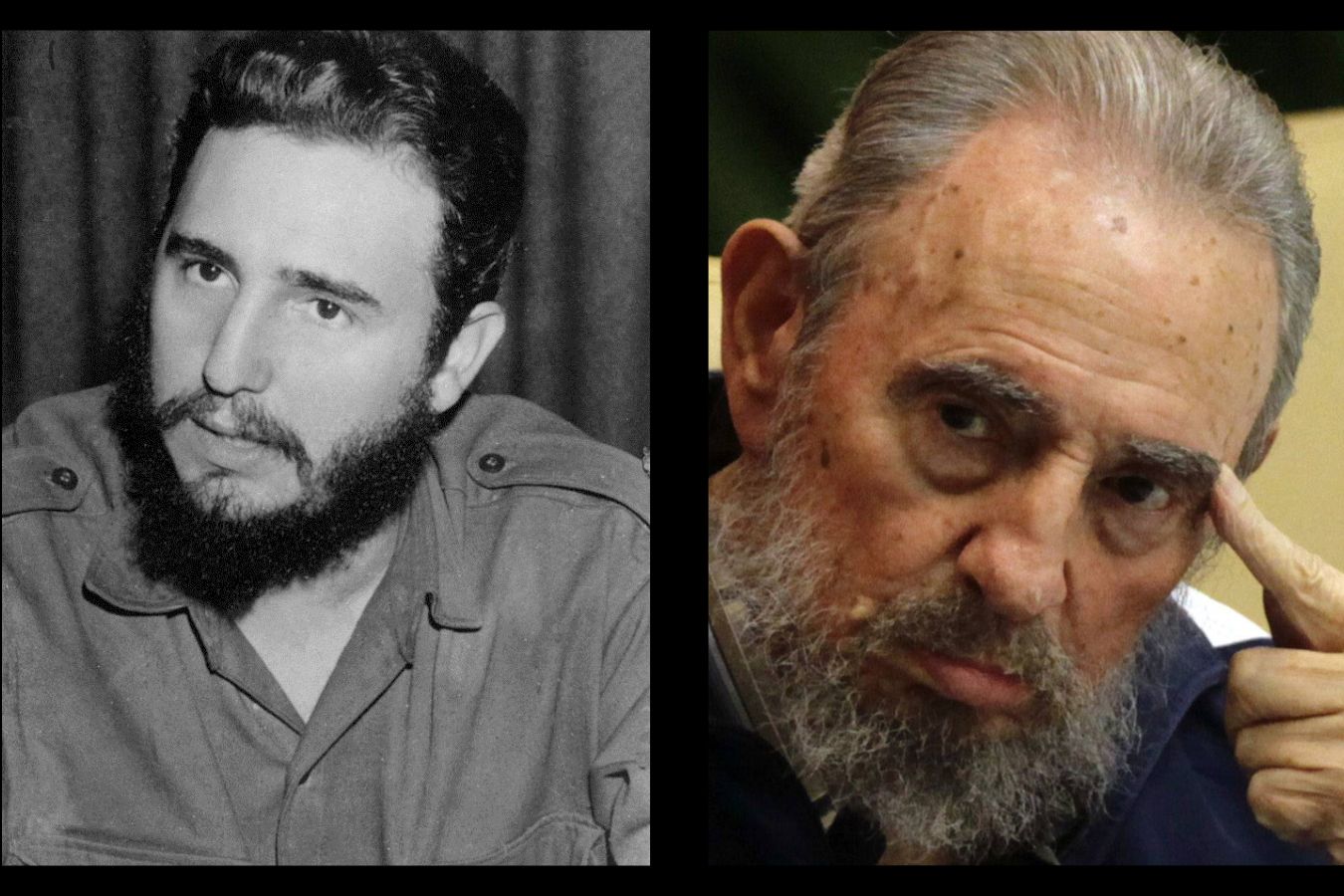
However, by the end of the year, Castro had declared himself a Marxist-Leninist and was firmly aligned with the Soviet Union. This article will explore why Castro made the ‘I am not a communist’ video and explain whether he meant it, and why he ultimately became a communist.
Background:
Before we dive into Castro’s statement, it’s important to understand the context of the time. In 1959, Castro and his rebels had successfully overthrown the Cuban government, which was led by Fulgencio Batista. At the time, Cuba was a popular tourist destination for Americans, and many Americans had investments in Cuba.
The US government had supported Batista, and was initially hesitant to recognize the new Cuban government.
Fidel Castro and his revolutionaries were initially seen as nationalists who were fighting for the people of Cuba. They were not initially associated with communism or socialism. In fact, Castro himself had said that he was neither a communist nor a socialist, but rather a “humanist.”
However, as the new Cuban government began to nationalize industries and redistribute land, the US government became increasingly concerned. The US feared that Cuba was becoming a communist state and that it was aligning itself with the Soviet Union, which was seen as the US’s main rival in the Cold War.
The Bay of Pigs:
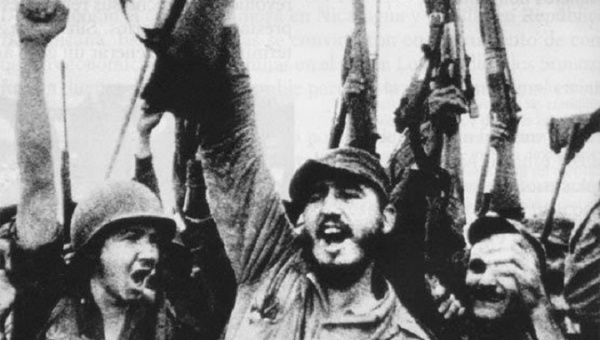
In April of 1961, the US-backed Cuban exiles launched an invasion of Cuba in an attempt to overthrow Castro’s government. The invasion was a disaster, and within three days, the Cuban military had defeated the exiles.
In the aftermath of the failed invasion, Castro made his statement that he was not a communist. He claimed that he was a nationalist who was fighting against imperialism. He said that he had no interest in aligning with any particular ideology, but rather that he was fighting for the people of Cuba.
Fidel Castro ‘I am Not a Communist’ Video Explained Below.
(As they say, the truth always comes our in the end, see for yourself, whether Castro told the truth)
Did he mean it?
There is some debate about whether Castro meant his statement that he was not a communist. Some argue that he made the statement in order to distance himself from the Soviet Union and to appeal to non-communist nations for support.
Others argue that Castro was genuinely not a communist at the time, but that his experiences in the aftermath of the Bay of Pigs invasion pushed him towards communism.
The failed invasion made it clear to Castro that the US was determined to overthrow his government, and that he needed a powerful ally to protect Cuba from American aggression. The Soviet Union was willing to provide that protection, and in exchange, Castro aligned himself with communism.
Then about eight months later, in December (1961), Castro made clear what some U.S. officials already believed. In a televised address on December 2, Castro declared, “I am a Marxist-Leninist and shall be one until the end of my life.”
He went on to state that, “Marxism or scientific socialism has become the revolutionary movement of the working class.” He also noted that communism would be the dominant force in Cuban politics. “There cannot be three or four movements.”
Regardless of whether Castro meant his statement of being a communist or not, it is clear that by the end of that year, he had declared himself a Marxist-Leninist and was firmly aligned with the Soviet Union.
Why did he become a communist?
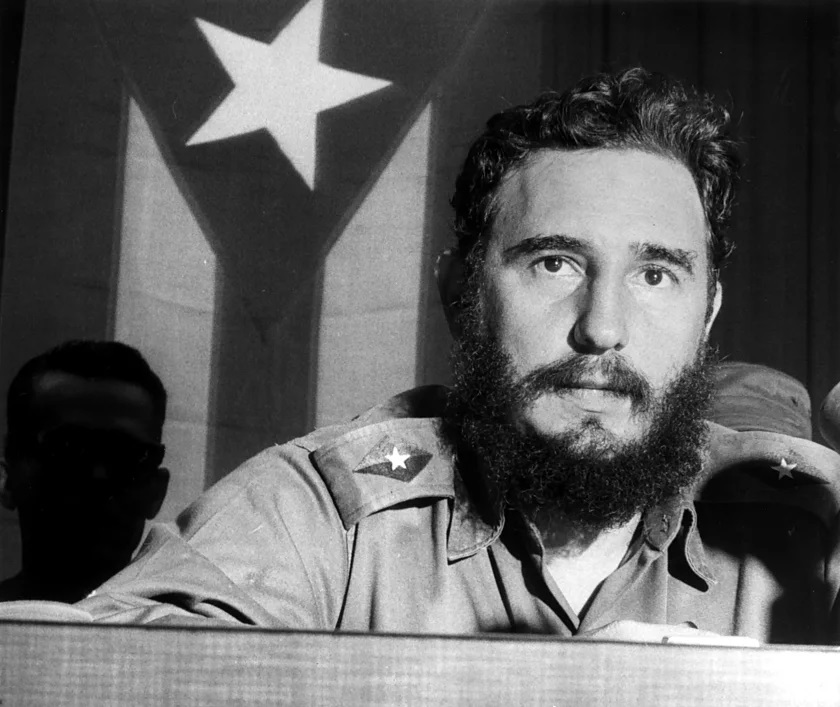
There were several factors that contributed to Castro’s decision to align with communism. As we mentioned earlier, the Bay of Pigs invasion made it clear to Castro that the US was determined to overthrow his government.
He needed a powerful ally to protect Cuba from American aggression, and the Soviet Union was willing to provide that protection.
Another factor was that Cuba was facing economic difficulties in the aftermath of the revolution. The US had placed an embargo on Cuba, which made it difficult for the country to trade with other nations.
In addition, many Cuban professionals and business owners had fled the country, which had a negative impact on the economy. The Soviet Union was willing to provide economic assistance to Cuba, which helped to alleviate some of these difficulties.
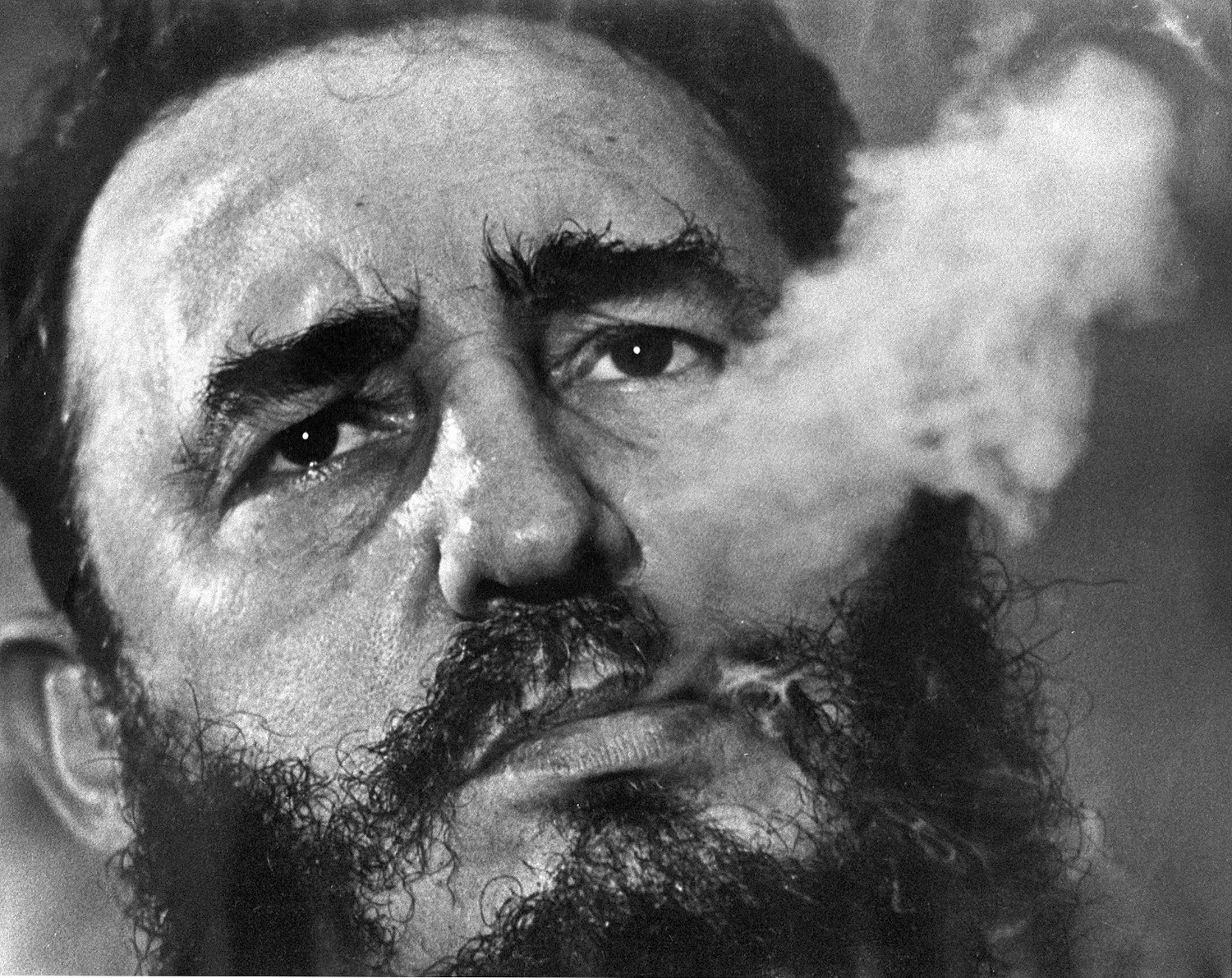
Lastly, Castro’s increased interest and influence that he has in the ideology of Marxism-Leninism. Although, some questioned Castro’s dedication to communism, believing that his announcement was more of a stunt to get more Soviet assistance.
But he never deviated from his declared ideology and went on to become one of the world’s longest-ruling heads of state. In late July 2006, an aged and ailing Fidel Castro temporarily ceded power to his younger brother Raul. Castro officially stepped down in February 2008.He died on November 25, 2016, at 90.