


Why Eating Colorful Foods is Key to a Healthier Life
The idea of “eating the rainbow” isn’t just about making meals look appealing, it’s a simple way to load up on essential nutrients. Each natural color in food represents unique health benefits, from strengthening immunity to promoting heart health and boosting brain function. This article is all about food colors decoded: the secret to a healthier, happier you. Let’s dive into why the color of your food matters and how you can harness its benefits for better well-being.

Unlocking the Power of Food Colors: What They Mean for Your Health
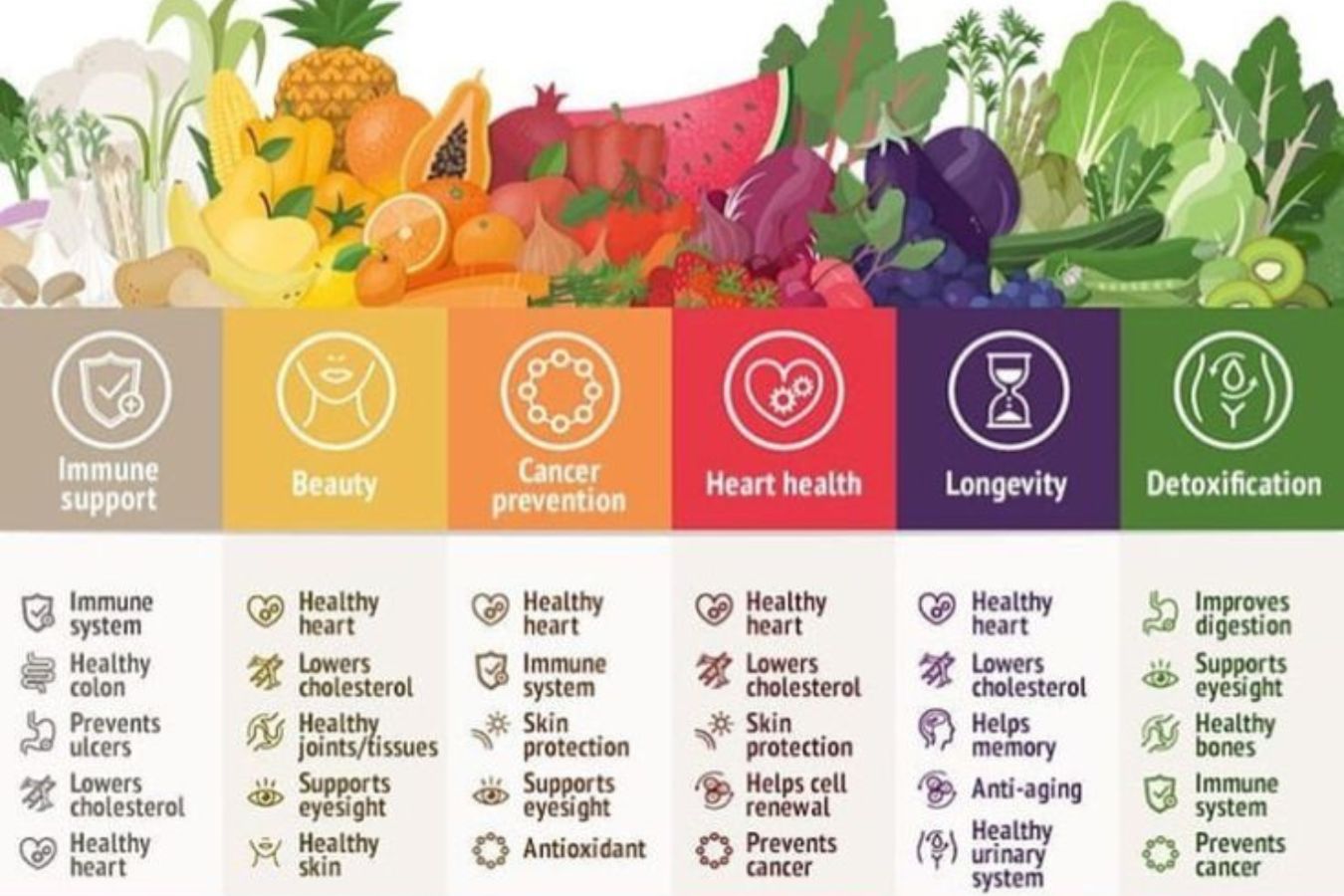
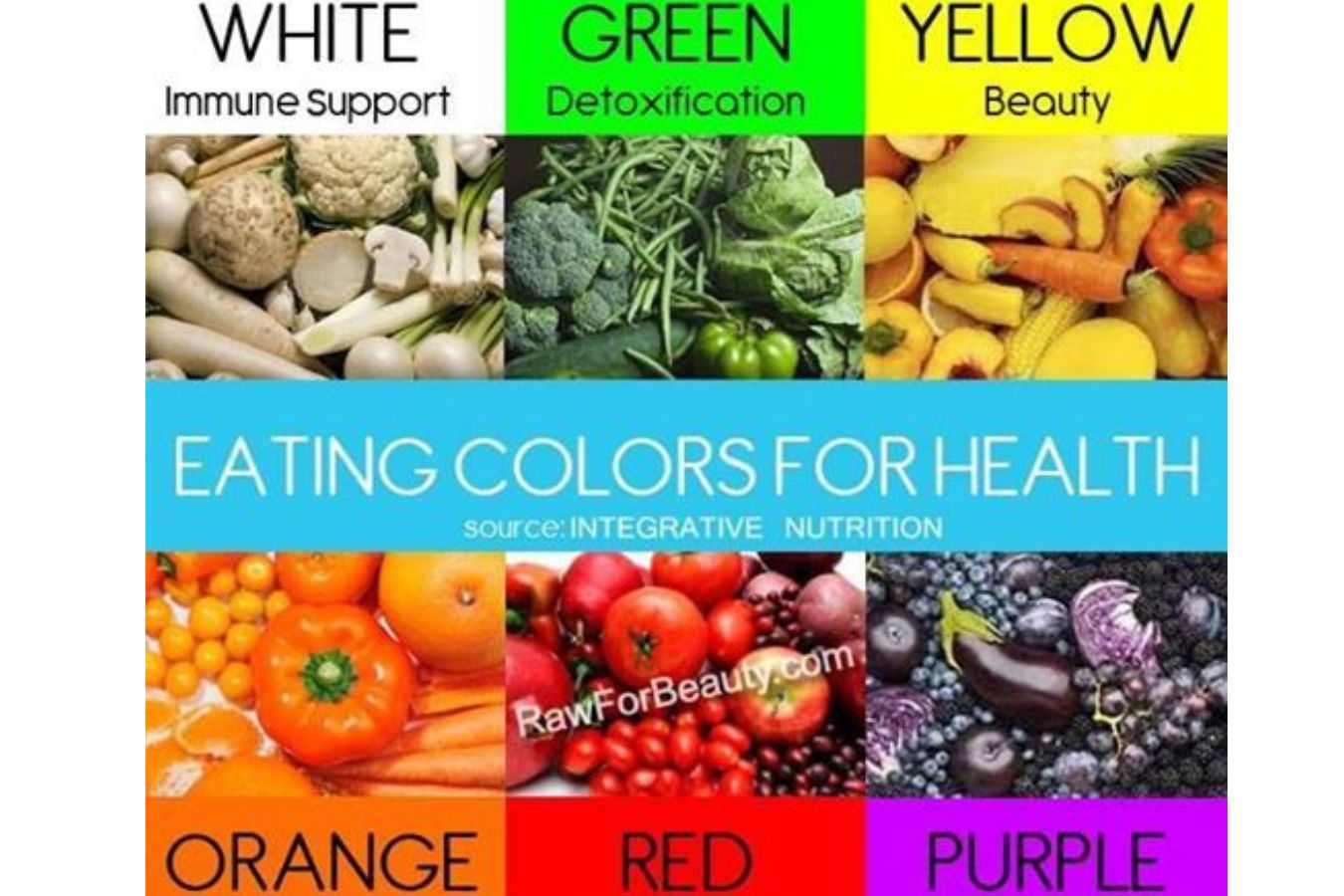
Food colors aren’t just for visual appeal, they signal the presence of powerful antioxidants, vitamins, and minerals. Red foods enhance heart health, green foods aid detoxification, and purple foods protect brain function. Understanding the role of different colors can help you make smarter, healthier dietary choices every day.
How Different Food Colors Support Your Body
Each color in natural foods serves a distinct purpose in promoting overall health:
- Red Foods: Packed with lycopene and anthocyanins, they support heart health and combat inflammation.
- Orange & Yellow Foods: High in beta-carotene and vitamin C, they boost immunity and improve vision.
- Green Foods: Loaded with chlorophyll and fiber, they aid digestion and detoxification.
- Blue & Purple Foods: Rich in anthocyanins, they protect the brain and slow down aging.
- White & Brown Foods: Often underestimated, they contain allicin and selenium, which strengthen immunity and reduce inflammation.
Red Foods: The Ultimate Heart and Energy Boosters
Red foods like tomatoes, strawberries, and watermelon are rich in lycopene, an antioxidant that supports cardiovascular health and helps lower the risk of certain cancers. They also improve circulation, keeping you energized throughout the day.
Orange & Yellow Foods: Supercharged for Immunity and Vision
Bright foods such as carrots, oranges, and sweet potatoes are high in beta-carotene and vitamin C. These nutrients enhance immune function, support eye health, and contribute to radiant skin.
Green Foods: Nature’s Detoxifiers for a Healthier You
Leafy greens like spinach, kale, and broccoli provide essential fiber and chlorophyll, which help cleanse the body, support digestion, and maintain a balanced gut microbiome. Adding more greens to your diet can also improve energy levels and skin health.
Blue & Purple Foods: Brain-Boosting and Anti-Aging Superstars
Blueberries, eggplants, and purple cabbage contain powerful antioxidants that help protect the brain from cognitive decline. They also improve skin elasticity, making them a natural solution for aging gracefully.
White & Brown Foods: The Hidden Heroes of Nutrition
Often overlooked, foods like garlic, onions, and mushrooms offer significant health benefits. They contain compounds that boost the immune system, reduce inflammation, and support heart health.
How to Create a Balanced, Colorful Plate Every Day
Incorporating a variety of colors into your meals ensures a diverse range of nutrients. Try these simple tips:
- Add leafy greens to smoothies and salads.
- Snack on a mix of berries for antioxidants.
- Include root vegetables in soups and stir-fries.
- Experiment with colorful grain bowls for a balanced meal.
The Science Behind Food Colors: How They Help Prevent Disease
Studies show that consuming a diverse range of natural food colors can lower the risk of chronic diseases like heart disease, diabetes, and cancer. Instead of relying on artificial supplements, focus on whole, nutrient-rich foods to enhance your health.
Final Thoughts: Embrace the Rainbow for a Healthier Life
Eating colorful foods is an easy yet powerful way to boost your well-being. From enhancing immunity to supporting brain function and heart health, each color plays a role in keeping you strong and vibrant. Start adding more natural colors to your plate today and feel the difference!