

The Underground Railroad to Mexico: A Forgotten Path to Freedom
When most people think of the Underground Railroad, they picture enslaved African Americans fleeing north to Canada. But lesser known is the Underground Railroad that ran south—to Mexico. In the 19th century, Mexico had abolished slavery decades before the United States, offering a haven for freedom seekers escaping brutal oppression. This lesser-known route played a crucial role in Black resistance and survival, proving that the struggle for liberation extended far beyond the U.S. borders.
Mexico: A Land of Freedom Before the U.S.
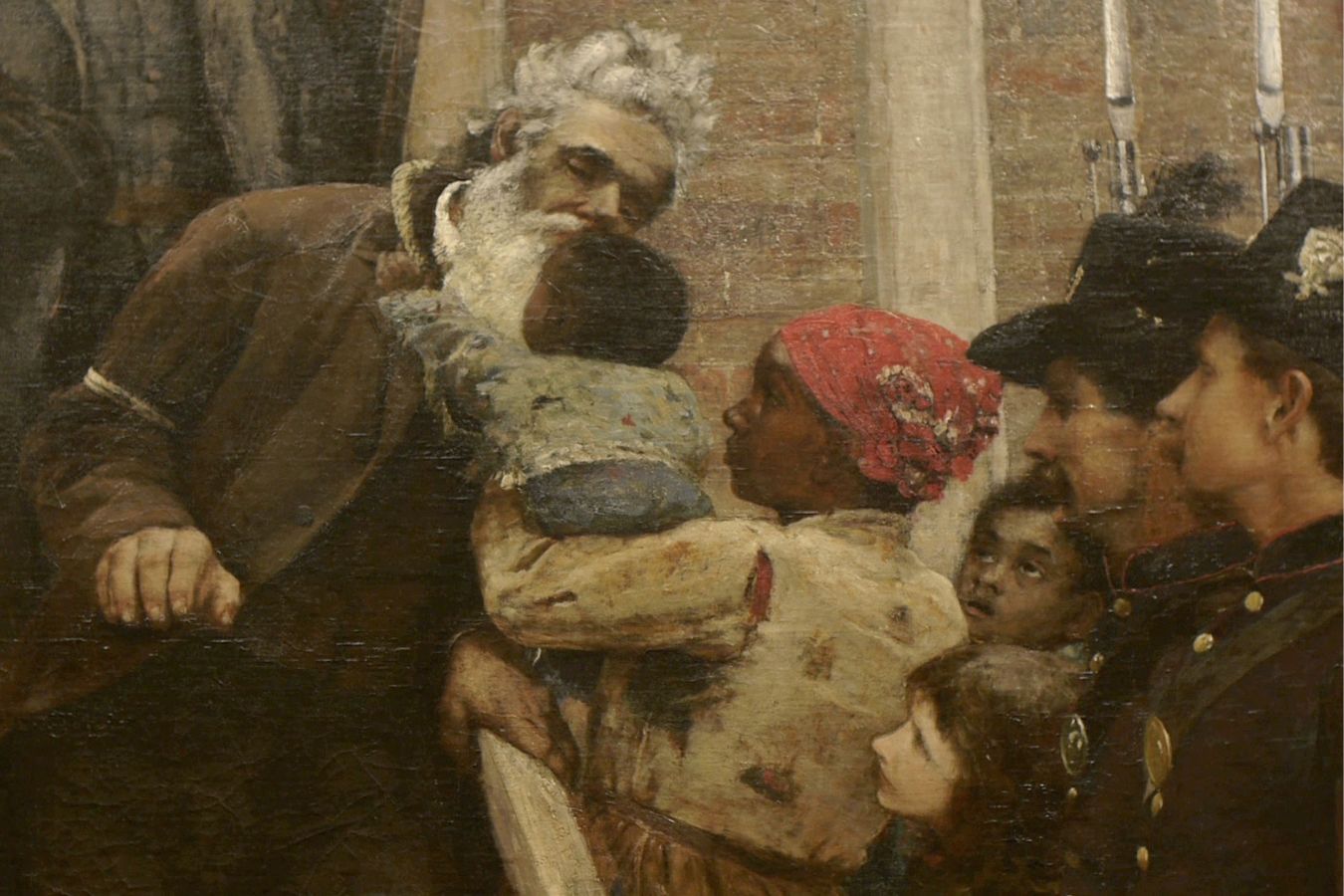
Slavery was officially abolished in Mexico in 1829 under President Vicente Guerrero, a man of Afro-Mexican descent himself. Guerrero’s decree sent a powerful message: Mexico would not tolerate slavery, and enslaved people from neighboring nations had a right to freedom within its borders. This policy made Mexico a refuge for African Americans escaping bondage in Texas, Louisiana, and other southern states.
Unlike the well-documented northern route to Canada, the southern Underground Railroad was more loosely organized, relying on Indigenous communities, Tejanos (Mexican Texans), and abolitionist sympathizers to guide freedom seekers across the Rio Grande.
The Journey South: A Treacherous but Hopeful Path
For African Americans seeking freedom in Mexico, the journey south was just as perilous as escaping north. Slave catchers, bounty hunters, and harsh terrain posed constant threats. Many freedom seekers traveled by foot, crossing through Texas and into Mexico’s border states, such as Coahuila, Nuevo León, and Tamaulipas.
Enslaved people often found shelter with Seminole Maroons—communities of escaped slaves and Indigenous people who had long resisted American expansion. These groups provided protection and knowledge of the land, guiding runaways through the dense brushlands of South Texas into the safety of Mexican soil.
One of the most notable cases was that of enslaved people escaping from plantations in Texas after it gained independence from Mexico in 1836. The Republic of Texas, which had legalized slavery, frequently clashed with Mexico over runaway slaves. Mexican officials, however, stood firm, refusing to return freedom seekers to bondage.
Mexico’s Role in Protecting Runaway Slaves
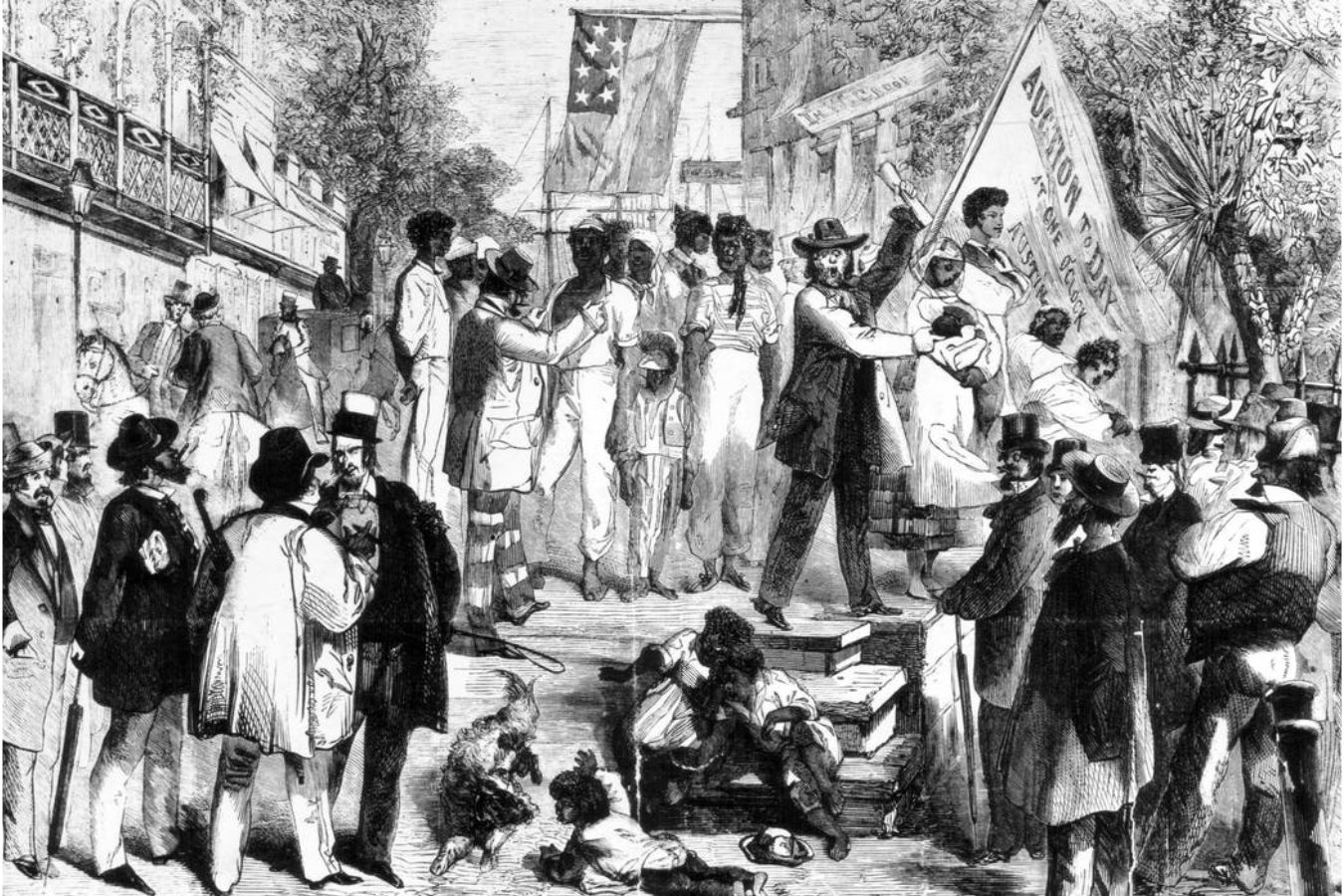
The Mexican government actively resisted American efforts to reclaim escaped slaves. Officials rejected extradition requests, stating that anyone who stepped on Mexican soil was free. Some formerly enslaved individuals even joined Mexican military forces, protecting the border against Texan incursions.
One major example of this defiance came in 1850, when U.S. slaveholders demanded the return of fugitives who had escaped into Mexico. The Mexican government refused, declaring that slavery was an abomination and that they would not cooperate with any nation that sought to uphold it.
Over time, some freedom seekers established communities in Mexico, marrying into local families and contributing to the country’s diverse cultural fabric. African influences can still be seen today in regions where runaway slaves once settled, particularly in Veracruz and along the Texas-Mexico border.
The Southbound Railroad: Why It’s Overlooked
Despite its significance, the Underground Railroad to Mexico remains largely ignored in mainstream history. Several factors contribute to this oversight:
- Focus on Canada – The narrative of the Underground Railroad has traditionally emphasized the northern route, partly due to its more formalized networks and abolitionist allies.
- Geopolitical Tensions – The history of U.S.-Mexico relations has been fraught with conflict, overshadowing stories of solidarity and resistance.
- Erasure of Black and Indigenous Histories – Many accounts of slavery and freedom tend to center on the U.S., neglecting the vital roles that Mexico and Indigenous groups played in the fight against oppression.
Legacy and Impact
The story of the Underground Railroad to Mexico is a testament to the resilience of those who refused to accept slavery as their fate. Their journey southward defied the belief that freedom could only be found in the north.
Today, historians and activists work to bring these stories to light, ensuring that this crucial chapter in Black history is no longer forgotten. The legacy of African Americans who fled to Mexico remains in the culture, traditions, and communities they left behind—a powerful reminder that the fight for freedom was truly borderless.