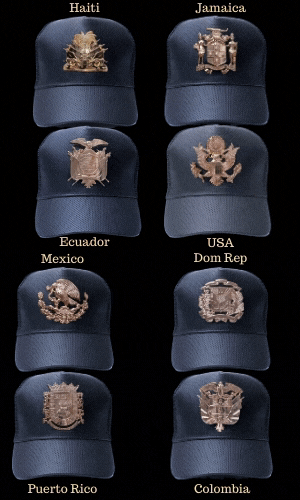


Latin America is poised for prosperity. Latin America, once viewed with skepticism, is now poised for a remarkable resurgence, breaking free from the shadows of economic disappointments and political turmoil that defined the past decade. The region, often overshadowed by South-east Asia, is now garnering fresh attention for its potential to address some of the most significant challenges of the 21st century.

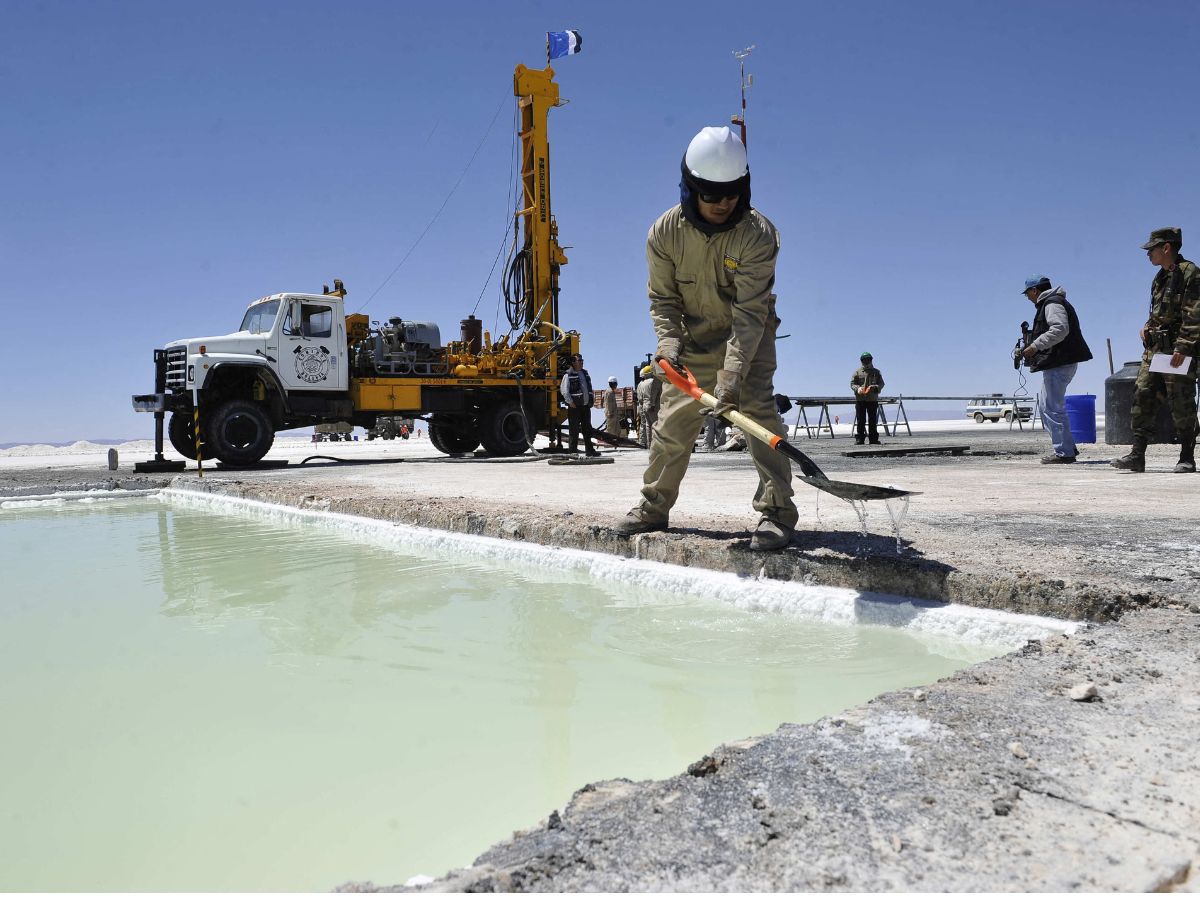
Boasting two-thirds of the world’s lithium reserves and 40 percent of its copper, Latin America is a key player in the global push for sustainable energy solutions. Additionally, it accounts for 45 percent of global agrifood trade, with vast farmland and abundant water resources, providing a solid foundation for further growth.
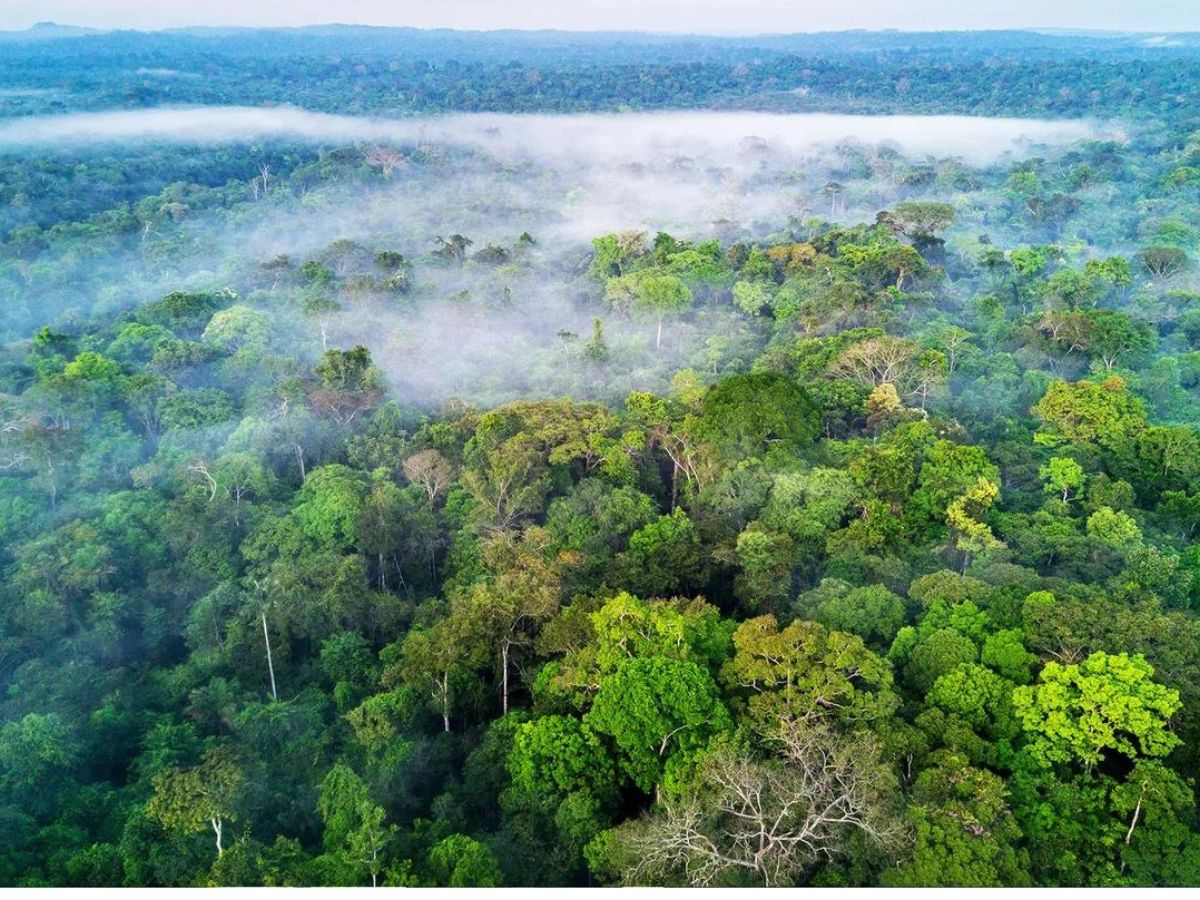
The Amazon, the world’s largest surviving rainforest, and its diverse geographical features make Latin America a prime location for harnessing solar and wind power. This unique combination positions the region for a generational opportunity to revitalize its economies, elevate living standards, and play a more significant role in supplying the world’s needs.
Beyond its economic strengths, the region enjoys less obvious advantages in today’s complex world, such as internal political stability, a strong democratic foundation, and the cultural influence of its music, food, art, and films on a global scale. Digital nomads are increasingly recognizing cities like Mexico City, Medellín, and Buenos Aires as top destinations for remote work.
Amidst persistent skepticism about the region’s promises, the pivotal question now centers on whether Latin American governments can rise to the occasion and capitalize on these newfound opportunities.
Mexico, serving as the region’s primary manufacturing hub, emerges as an attractive destination for companies seeking alternatives to China. With the upcoming election, there’s anticipation that a new leader, potentially Claudia Sheinbaum or Xóchitl Gálvez, could usher in a more investor-friendly era, unlocking the full potential of Mexico’s economic boom.
In Brazil, President Luiz Inácio Lula da Silva aims to position the country as a global leader in environmental sustainability, attracting green investments in carbon offsets and sustainable energy. Lula, in his third term, envisions Brazil becoming the “Saudi Arabia of renewable energy” within a decade and is set to play a crucial role in hosting international events like the G20 and COP30.
Argentina, under President Javier Milei, is experiencing a surge in investor confidence, driven by a commitment to dismantling state economic controls and embracing unbridled capitalism. While challenges lie ahead in navigating a Peronist-dominated congress and powerful unions, the potential for Argentina to unlock its agricultural, mining, and hydrocarbon sectors is substantial.
On the Caribbean coast, Guyana’s oil boom has propelled it into one of the world’s fastest-growing economies, setting an example for neighboring Suriname. Meanwhile, smaller economies like Panama, Uruguay, and the Dominican Republic have quietly become success stories in the region.
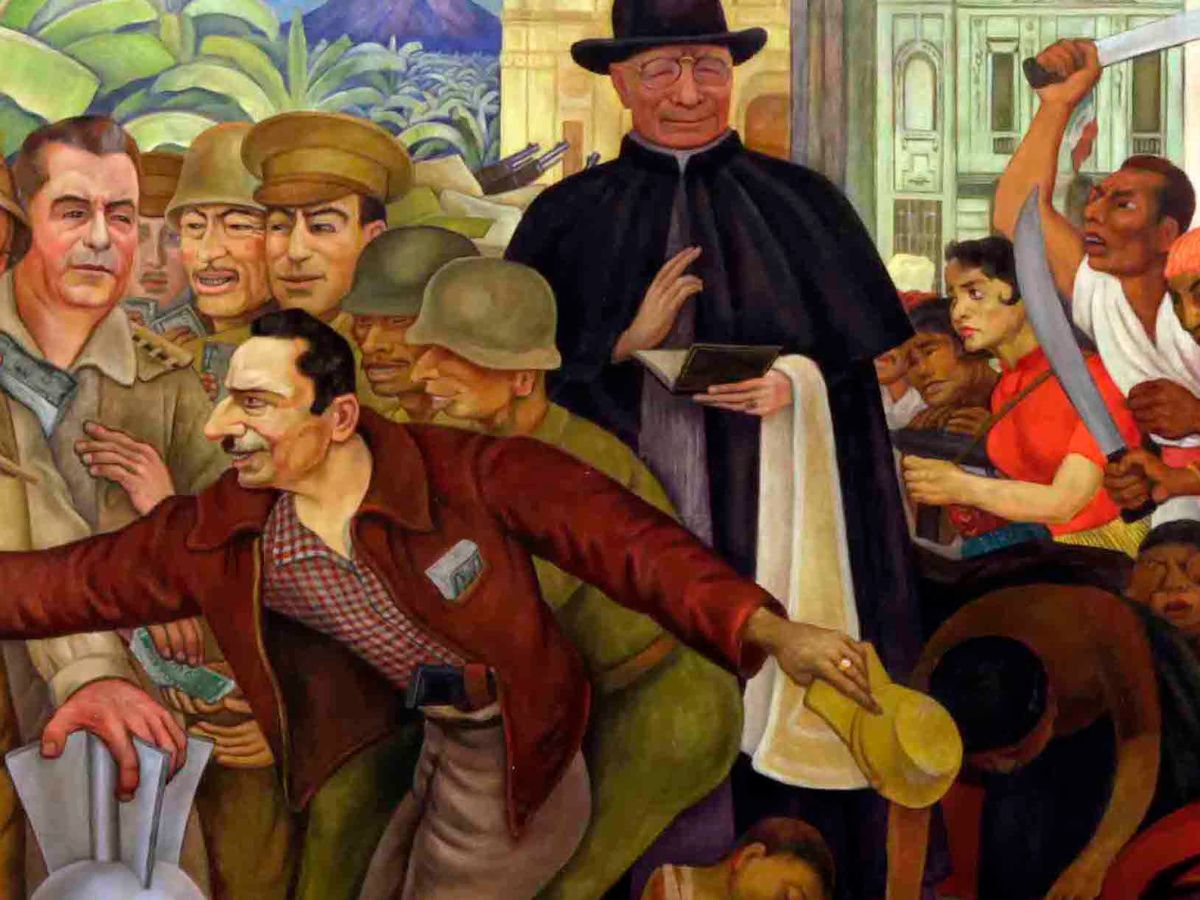
Yet, amidst the optimism, the plight of millions of refugees from Venezuela serves as a stark reminder of governments’ ability to both build and destroy. The migration crisis poses challenges for leaders like President Joe Biden, underscoring the importance of sustainable development to prevent further upheavals.
Read: 11 Cool & Amazing facts About South America You Didn’t Know
As Latin America stands at the crossroads of opportunity, its people aspire to prove wrong the notion, as expressed by Mexican writer Carlos Fuentes in 1992, that the region is an “advancing yet unfinished” construction. The 21st century brings new possibilities, and Latin America is eager to chart a course toward lasting prosperity.