


Before power couples were a hashtag or a red-carpet staple, Desi Arnaz and Lucille Ball were rewriting the rules of entertainment—on screen and behind the scenes. While many know them as the charming, chaotic couple from I Love Lucy, their true legacy lies in how they reshaped television, invented new business models, and laid the groundwork for global entertainment empires—including Mission: Impossible. This article will show how Lucille Ball & Desi Arnaz became The Power Couple Who Built Hollywood.
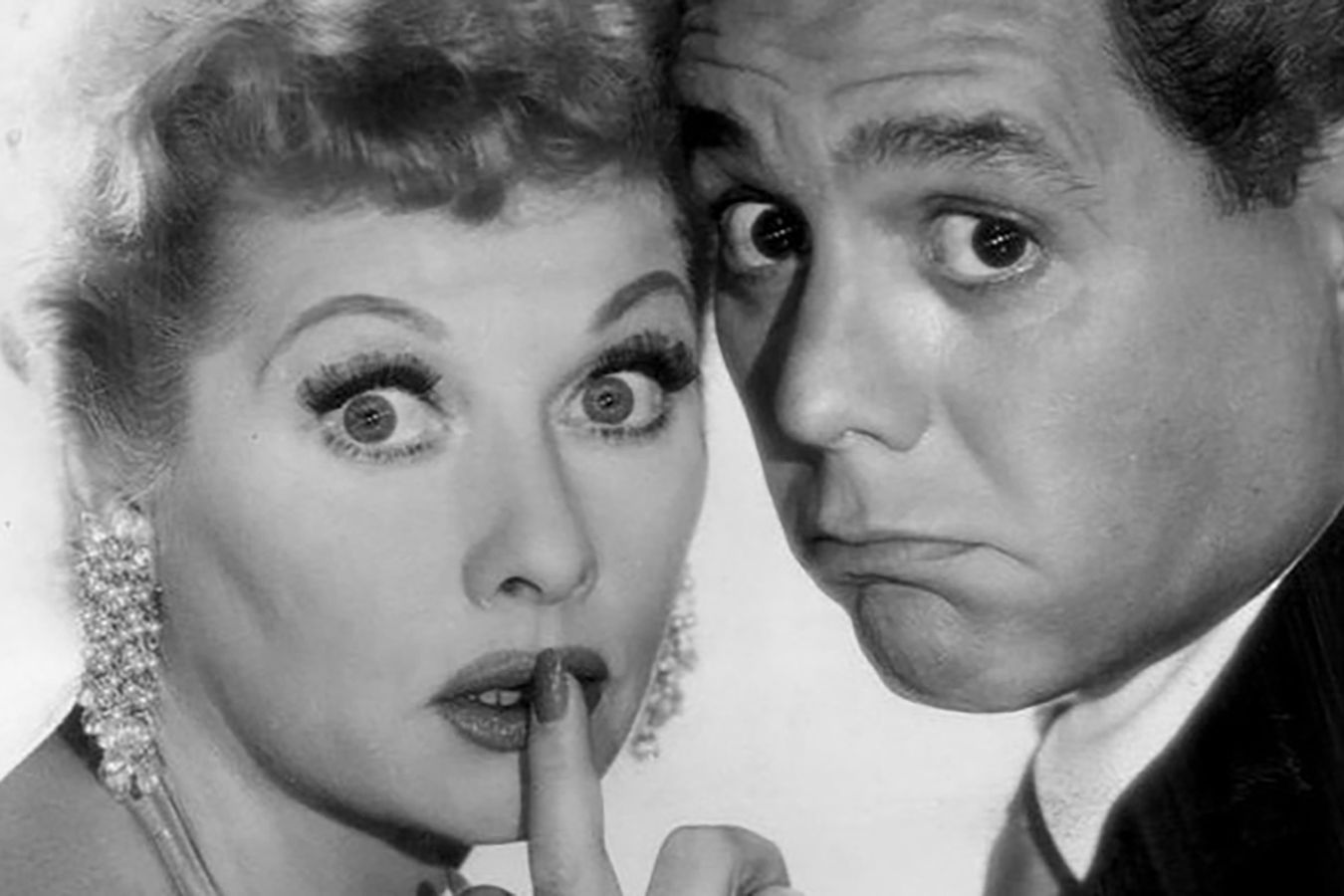
The Real Star Behind the Camera: Desi Arnaz
Desi Arnaz isn’t always the first name that comes to mind when we talk about television legends, but he should be. While Lucille Ball was the face of their operation, Desi Arnaz was its visionary. A Cuban immigrant and bandleader turned media mogul, Arnaz wasn’t just a co-star—he was a trailblazing producer, co-founder of Desilu Productions, and a revolutionary thinker who transformed television from a novelty into a serious industry.
In the early 1950s, most TV shows were broadcast live from New York. Arnaz, wanting to stay in Hollywood with Ball, came up with a novel solution: film the episodes using multiple cameras in front of a live audience. That may sound normal now, but it was groundbreaking then. This setup gave I Love Lucy its signature energy and allowed the episodes to be recorded, edited, and rerun—giving birth to syndication, which would later become a multi-billion dollar industry.
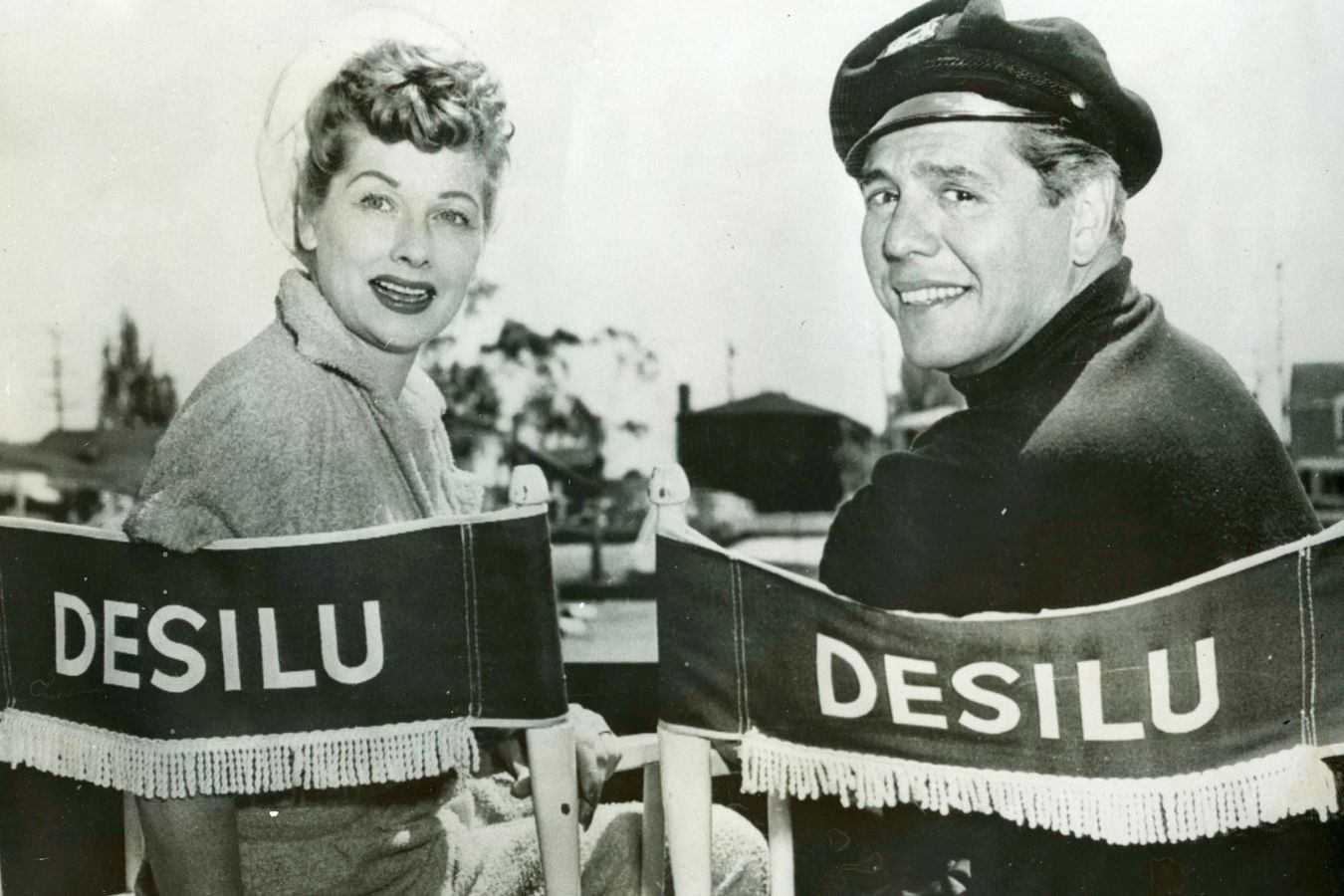
Desilu: The Studio That Built Modern TV
Desi Arnaz and Lucille Ball didn’t just star in hit shows—they owned the studio. Desilu Productions was the first independent production company run by television stars, and it became a powerhouse under their leadership. Desi was the original CEO, and it was under his direction that Desilu became the first to record sitcoms on film. That innovation not only helped I Love Lucy become a timeless classic but created the framework that allowed shows to be rewatched, resold, and remembered for generations.
And they didn’t stop there. When other studios passed on ambitious projects, Desilu said yes. Two of their biggest greenlights? Star Trek and Mission: Impossible—shows that seemed risky but turned into franchises that still rake in billions today.
Read>>Remembering TV Pioneer, Musician & Entrepreneur Desi Arnaz
From the Studio Lot to the Silver Screen: Birth of Mission: Impossible
In 1966, Desilu Productions launched Mission: Impossible, a stylish, high-stakes spy drama that mixed espionage with clever gadgetry and twisty storytelling. The show, with its iconic theme song and rotating cast, became a cultural phenomenon. But it was just the beginning.
Decades later, Mission: Impossible would be reborn as a global action franchise starring Tom Cruise, generating over $3.5 billion (and counting) at the box office. That modern blockbuster success traces directly back to the creative risks Desi Arnaz and Desilu Studios were willing to take in the ‘60s.
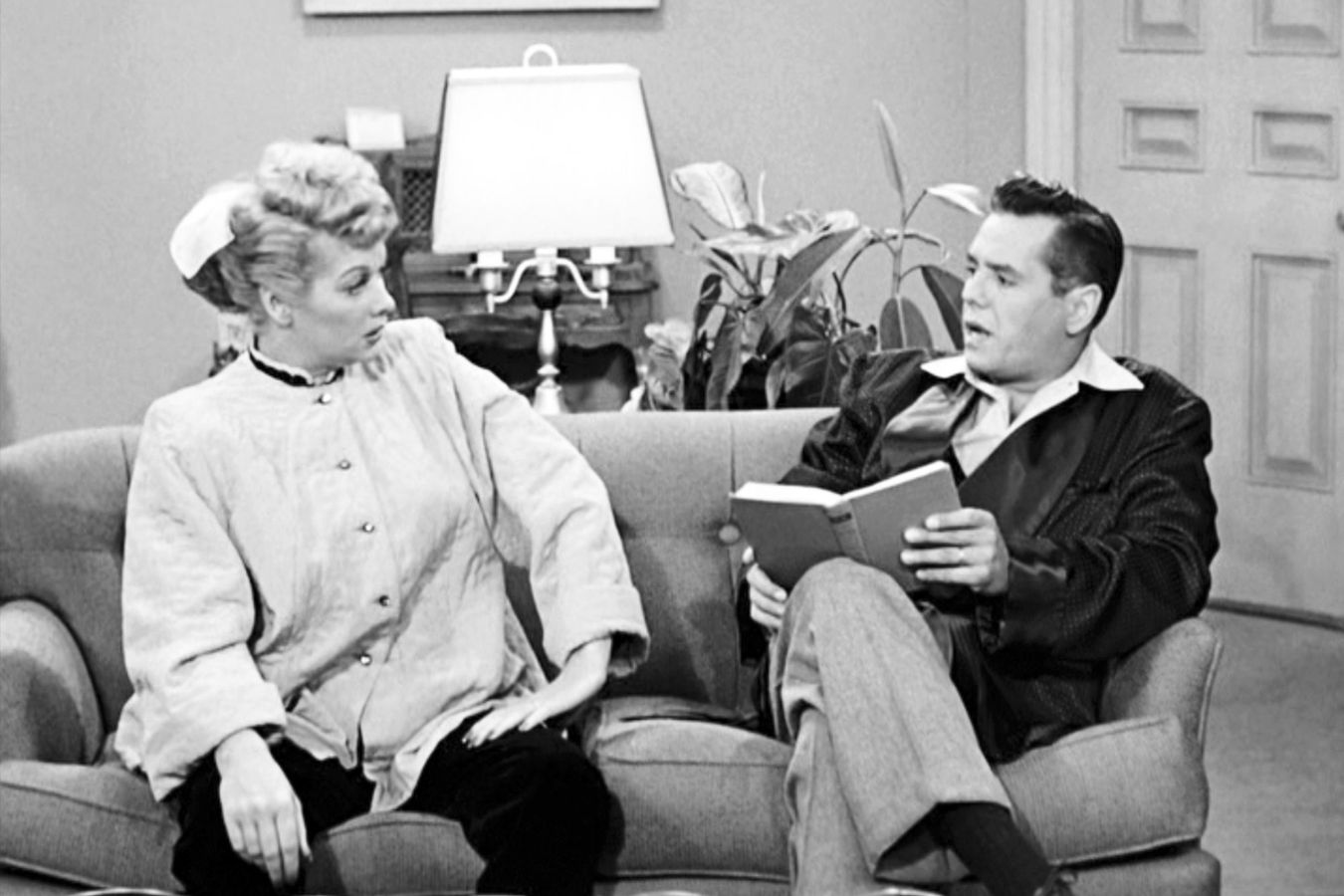
Lucille Ball: The Comedic Queen with Fierce Business Brains
Lucille Ball’s comedic genius made her a household name, but her business acumen was equally impressive. When she eventually bought out Desi’s shares in Desilu following their divorce, she became the first woman to run a major Hollywood studio. She didn’t just carry on the legacy—they built together—she expanded it.
Through Desilu, Ball continued supporting bold, unusual projects that would have otherwise been ignored by more conservative studios. The legacy of those decisions still reverberates through today’s golden age of television.
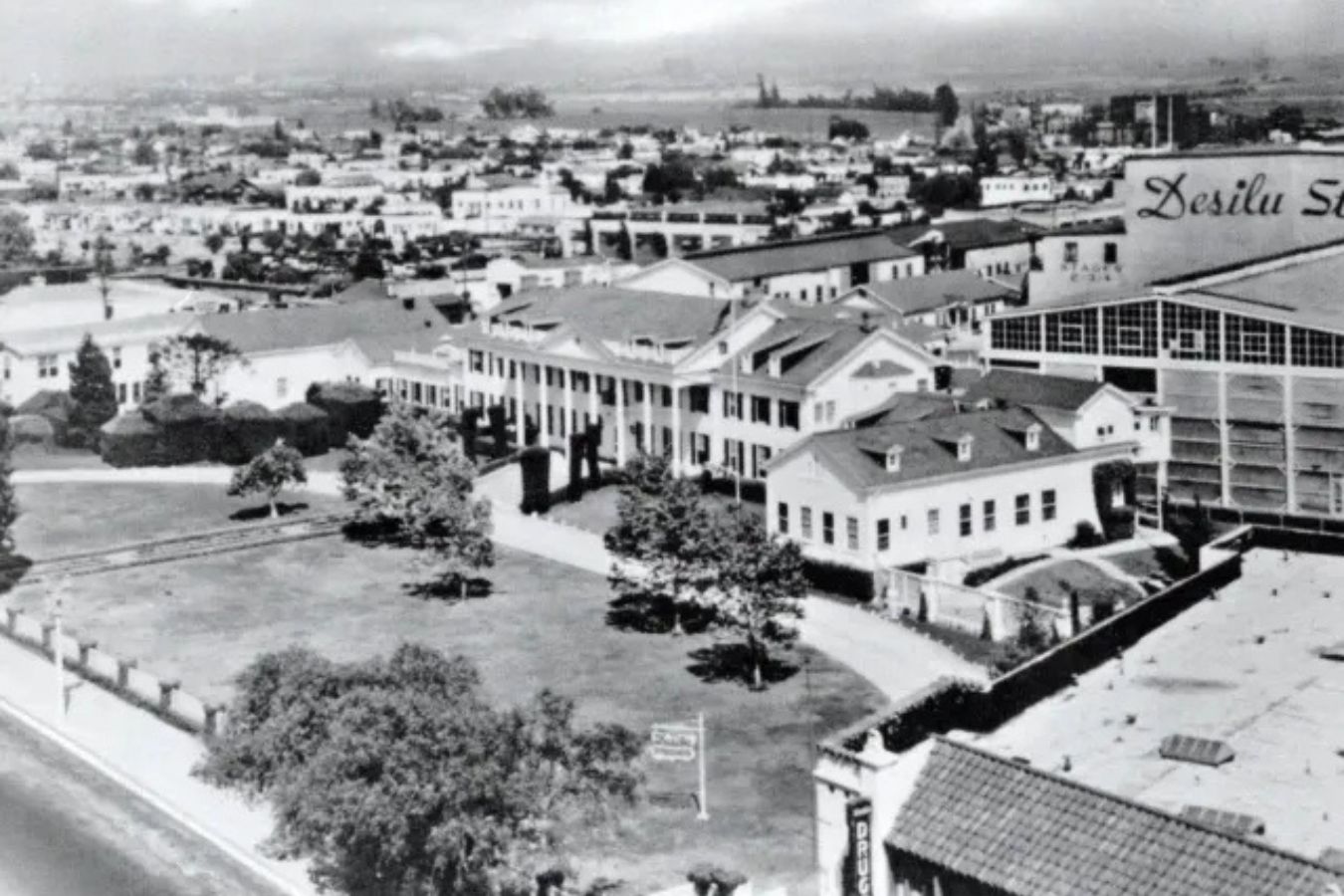
Legacy That Lives On
Together, Ball and Arnaz changed how TV was made, who could own studios, and what was possible on screen. Desi Arnaz, in particular, should be remembered as one of the first Latino media moguls in America—one who didn’t just break barriers but erased them completely. His blend of creativity, business savvy, and technical innovation helped shape the future of entertainment.
And every time a sitcom goes into syndication, or the Mission: Impossible theme plays in a theater, you’re hearing echoes of Desi Arnaz’s genius. See below for a complete list of all Desilu shows and productions.