

En mi cama nadie es como tú / no he podido encontrar la mujer / que dibuje mi cuerpo en cada rincón / sin que sobre un pedazo de piel, ay, ven / Devórame otra vez, ven, devórame otra vez…
English:
In my bed no one is like you / I have not been able to find the woman / who draws my body in every corner / without a piece of skin on it, oh, come / Devour me again, come, devour me again…
There are probably millions of people throughout the world, especially in Latin America, who have sung at the top of their lungs the verses of Lalo’s famous song “Come, devour me again.” And millions more have danced to it on the dance floors of clubs all over the world.
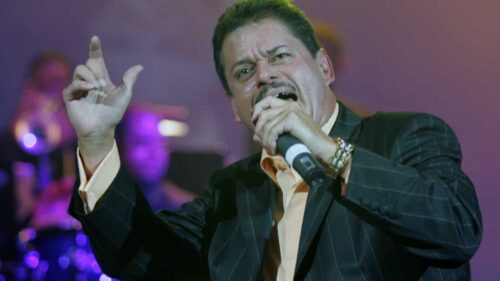
The year the song dropped was 1988 and around this time a new subgenre called “Salsa Romantica” or “Salsa Erotica” (Romantic or Erotic Salsa) was emerging and Rodriguez is recognized as one of its pioneers.
Who was Lalo Rodriguez?
Lalo Rodriguez birth name was Ubaldo Rodriguez Santos, he was born in Carolina, Puerto Rico on May 16, 1958 to parents Magdalena Santos and Jose Rodriguez. He began singing at the age of 9 in traditional Puerto Rican festivals, as well as on radio and television programs.

In 1973, at the tender age of 16, Rodríguez sang in “The Sun of Latin Music,” a pivotal album from Latin Jazz legend and pianist Eddie Palmieri, because it became the first Latin production album to win a Grammy Award.
In the album, Rodriguez sang these classics; “Nada de ti” (Nothing of you), “Nunca contigo” (Never with you), “Un día bonito” (A beautiful day) and “Deseo salvaje” (Wild desire), a bolero written by Rodríguez, the album left a mark in the history of Latin music.
The following year Rodriguez sang on Unfinished Masterpiece, also with Palmieri, who gave him his new first name “Lalo.”
Rodriguez is recognized as one of the pioneers of the subgenre of Romantic or Erotic Salsa (Salsa Romantica o Erotica) which is described as having “light, frothy songs with romantic or erotic lyrics.”
In 1980, Rodríguez pursued a solo career. He was known for his many albums and hit, he released a total of 18 albums throughout his career.
Rodríguez continued to record and produce new albums throughout the 90s. In 1994, he re-recorded the “Nací Para Cantar,” then in 1996 Estoy Aquí.
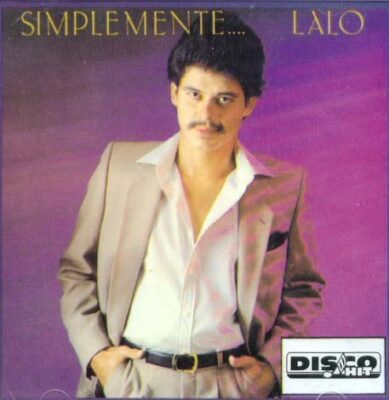
Rodríguez resided in Orlando, Florida for more than 20 years with his wife Wanda Torres, whom he married in 1986.
The couple had four children, one of whom was adopted in 2006. In a 2020 Rodriguez filed for divorce and Torres relocated to Puerto Rico.
Unfortunately Rodríguez had a history of drug and alcohol abuse, during most of his career and this led him to have conflicts with his family and the law.
Rodríguez was found dead on Tuesday, December 13, in a public residence complex in his hometown, Carolina, in northern Puerto Rico.
The causes of death of the artist, who was 64 years old. The cause of death is still unknown, but there were no visible signs of violence on Rodríguez’s body, according to reports.
According to Frankie Jay, Puerto Rican radio personality and a close friend of Rodriguez; Lalo was a suffering guy, he carried a lot of pain, like that child he never managed to heal and later in life he had to face him,” he said.
“When they took him to New York, he was 15 years old, there he comes into contact with a world totally outside of what he was.
He had some emotional problems that I think he never healed from it He wasn’t a bad guy. His greatest attacks were against himself.
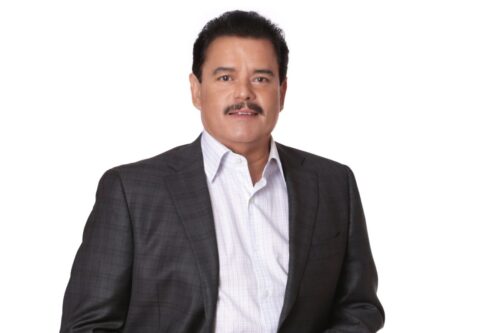
“I worry about the fact that people talk about drug use, but many times don’t look at the reason that a person turns to drugs, which is usually to mask or deal with some type of pain or problem, like in Lalo’s case, he had some situations in his life that this was a way for him to escape.
“One of the most beautiful voices my ears have heard and will hear. His unique, tuned and potent timbre made his music immortal,” Puerto Rican merengue singer Elvis Crespo, known for his international hit “Suavemente,” posted on social media Spanish.
“My sincere condolences to his family and fans. May our Lalo Rodríguez rest in peace. ”Palmieri, 85, lamented Rodríguez’s death “with deep sadness.”
Albums:
Tristeza encantada
Ven, devórame otra vez
Devuelta en la trampa
Voy a escarbar tu cuerpo
Ámame
Sí, te mentí
Pero llegaste tú
Nada de ti
Después de hacer el amor
No quiero, no puedo
Te estoy pidiendo
Tú no sabes querer
Aunque lo dudes
Tu iluminas
Máximo Chamorro
Desilusión
Vivo amándote
Con qué cara
No tuve nadie
No te voy a defraudar