

Vico-C, known as the “philosopher of rap” recently turned 51, which he envisioned to “always” reach despite all the pitfalls in his life. . His birth name is Luis Armando Lozada Cruz, born in Brooklyn New York until his family moved to Carolina, near San Juan Puerto Rico.
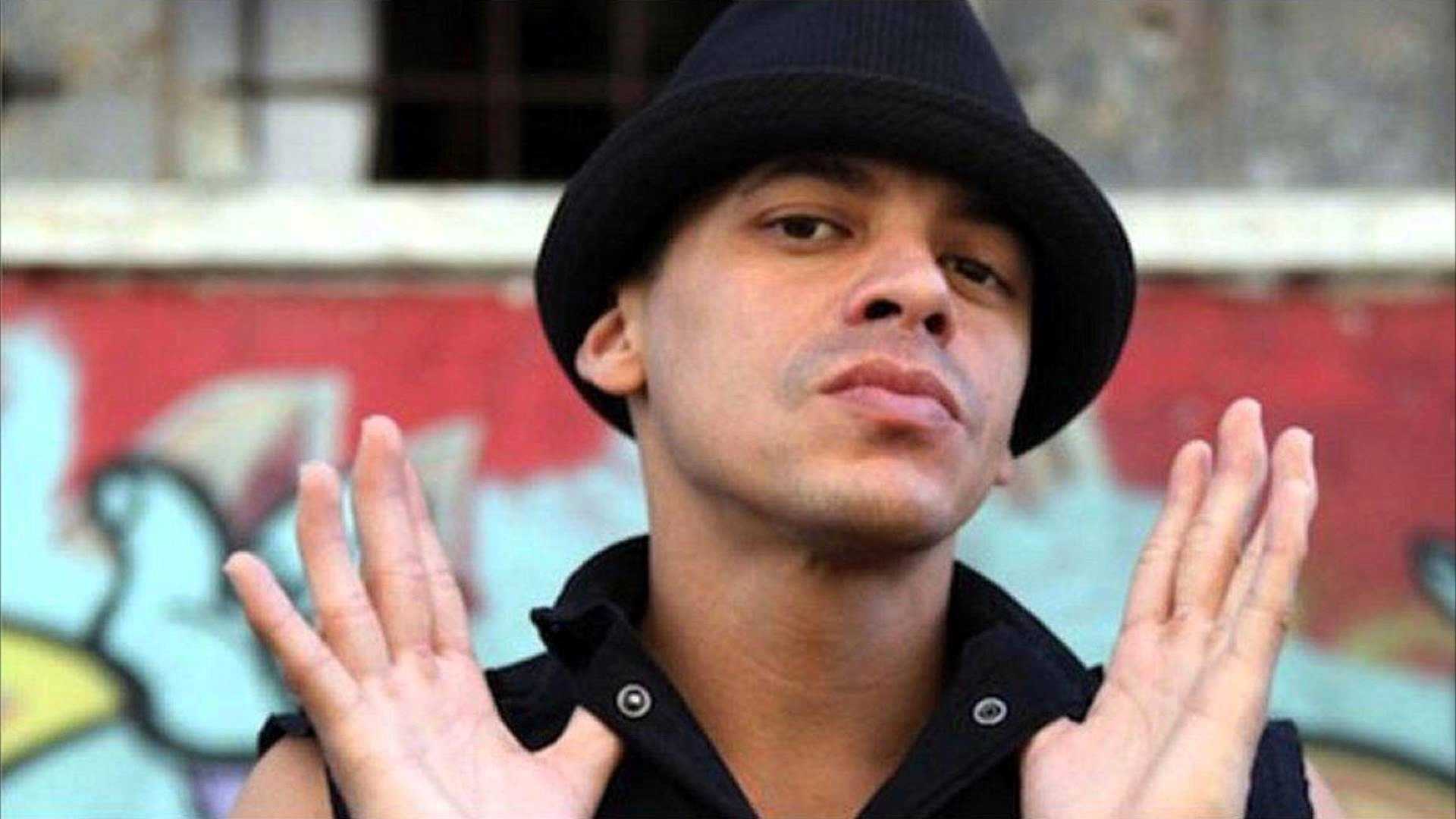
Influenced by hip-hop, breakdancing and graffiti, Vico-C began composing his first songs. but It was not until he signed up to perform in a singing competition organized by Puerto Rican producer DJ Negro that his talent and stage dominance came to life.
At 17 years old, Vico-C and DJ Negro teamed up to launch the cassette “The Final Straight” in 1989. The production included “Friday the 13th”, “Love Exists” and “Tastes, Gender and Consequences” and the name of the production.
They were followed by another album, “Explosion”, which included the hits “Saborello”, “Cosa Nuestro de Barrio” and “Maria”.
But then he suffered a serious motorcycle accident while on a trip to perform in the Dominican Republic. As part of his treatment, Vico-C was given morphine for pain relief and later became addicted to that drug and later he started using heroin.

“Those were some tough and scary times in my life, I could have died of a drug overdose along the way,” he admitted. “But out of that fear, I believed that God would not let me die”.
He had to rap in a chair after the accident, which he described as his first “return” in music. He later produces “With Power” (1996), but after the launch he turns to drugs again.
The artist, however, returned to his music and began producing “That One Who Had Died” in late 1998, which included another of his hit, “Tony Presidio”. Following this album, Vico-C worked on his new production, “Amboscada”, which earned him his first Latin Grammy in 2003 for Best Urban Music Album.

However, after the success, trouble came again, Vico-C and his crew were on their way after receiving the award, the rapper was jailed for six months for drug possession. He spent time in prison writing and managed to compose ten songs for the album “In Honor of the Truth”, which earned him another Latin Grammy Award for Best Urban Music Album in 2004.
In 2005 Vico-C released the album “DesaHogo”, which featured collaborations by Eddie Dee, Ivy Queen, La Mala Rodriguez and Gilberto Santa Rosa.
His latest work is “Babila”, which was released in 2009, and which Vico C considers his highest moment in his music career.
“It’s the best album I’ve made,” the artist said of an album that includes collaborations with Archangel, Yaga and Mackie, Viso G, Gustavo Loreno and Andy Montanez.
Currently, Vico-C is preparing to publish a new album and even so, he has saved countless songs that he hopes to be included on a disc after he dies.
Legacy
Vico-C is renowned as the most influential artist in the history of Spanish Hip Hop and Reggaeton throughout Latin America and Spain. Vico is recognized for having lyrics that were thoughtful, insightful, socially conscious as well as catchy and danceable songs for all kind of audiences. The musical blueprint implemented by DJ Negro and Vico C is the precursor of the genre now known as reggaeton. Many Spanish hip hop/reggaeton journalists and experts consider Vico C as the greatest or one of the greatest artists in the history of the genre.