

Released on October 18, 2024, “Modo Capone” marks a groundbreaking collaboration between Canadian rap superstar Drake and 18-year-old Mexican singer Chino Pacas, who’s quickly making waves in the Latin music scene. This track is more than just a musical experiment—it’s a testament to how music can bridge cultures.
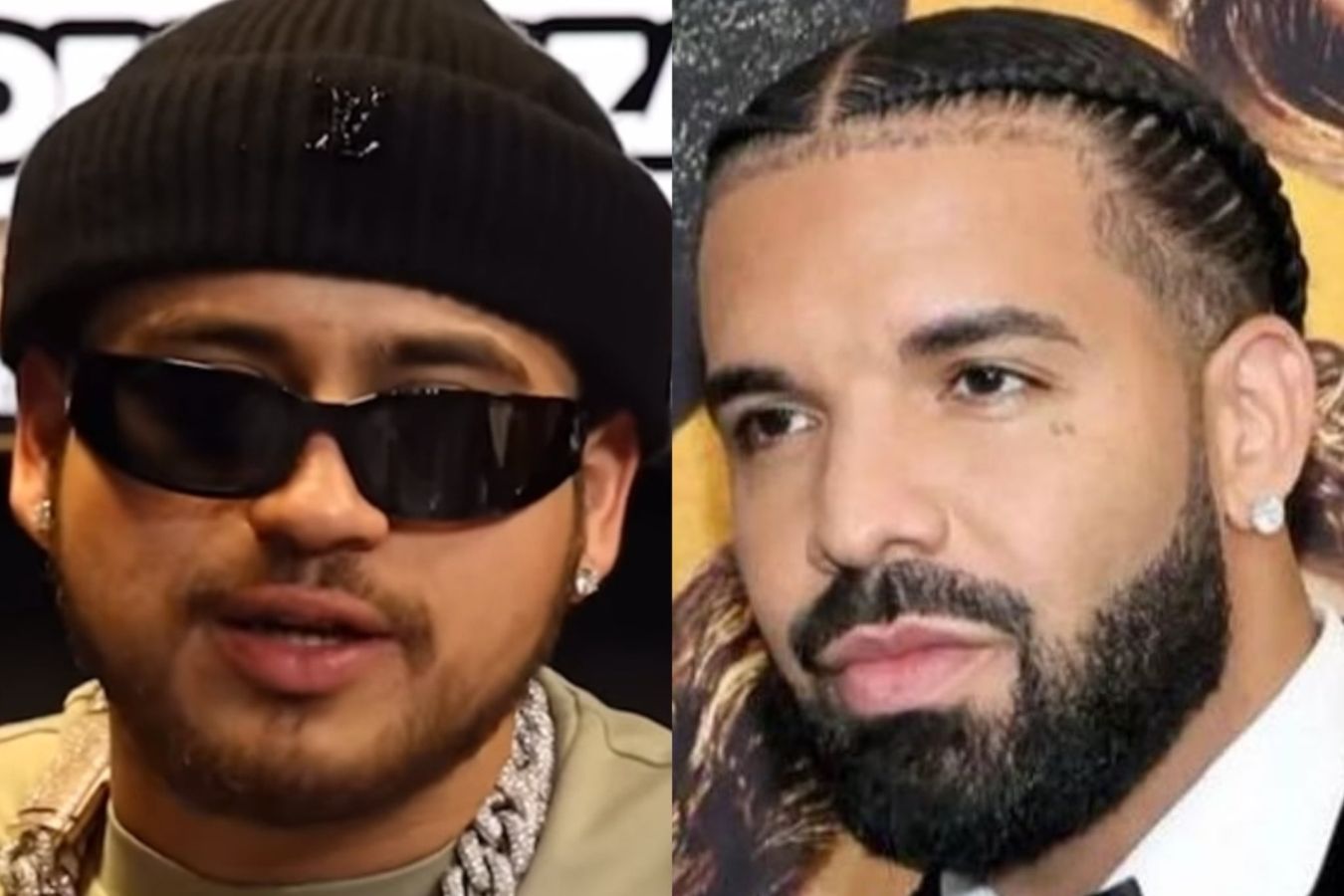
For Chino Pacas, the collaboration was a dream come true. “Drake trusted me to make his first corrido, and here we are now,” he said. And trust him, Drake did. Known for exploring various genres like Afrobeats and reggaeton, Drake ventured into corrido tumbado—a style rooted in traditional Mexican sounds but blended with modern elements.
Breaking Down the Lyrics and Themes of ‘Modo Capone’
The song itself dives into themes of wealth, fleeting connections, and the hustle that comes with success. With a nod to the extravagant lifestyle of mobster Al Capone, the lyrics are packed with references to luxury and the pressures of fame.
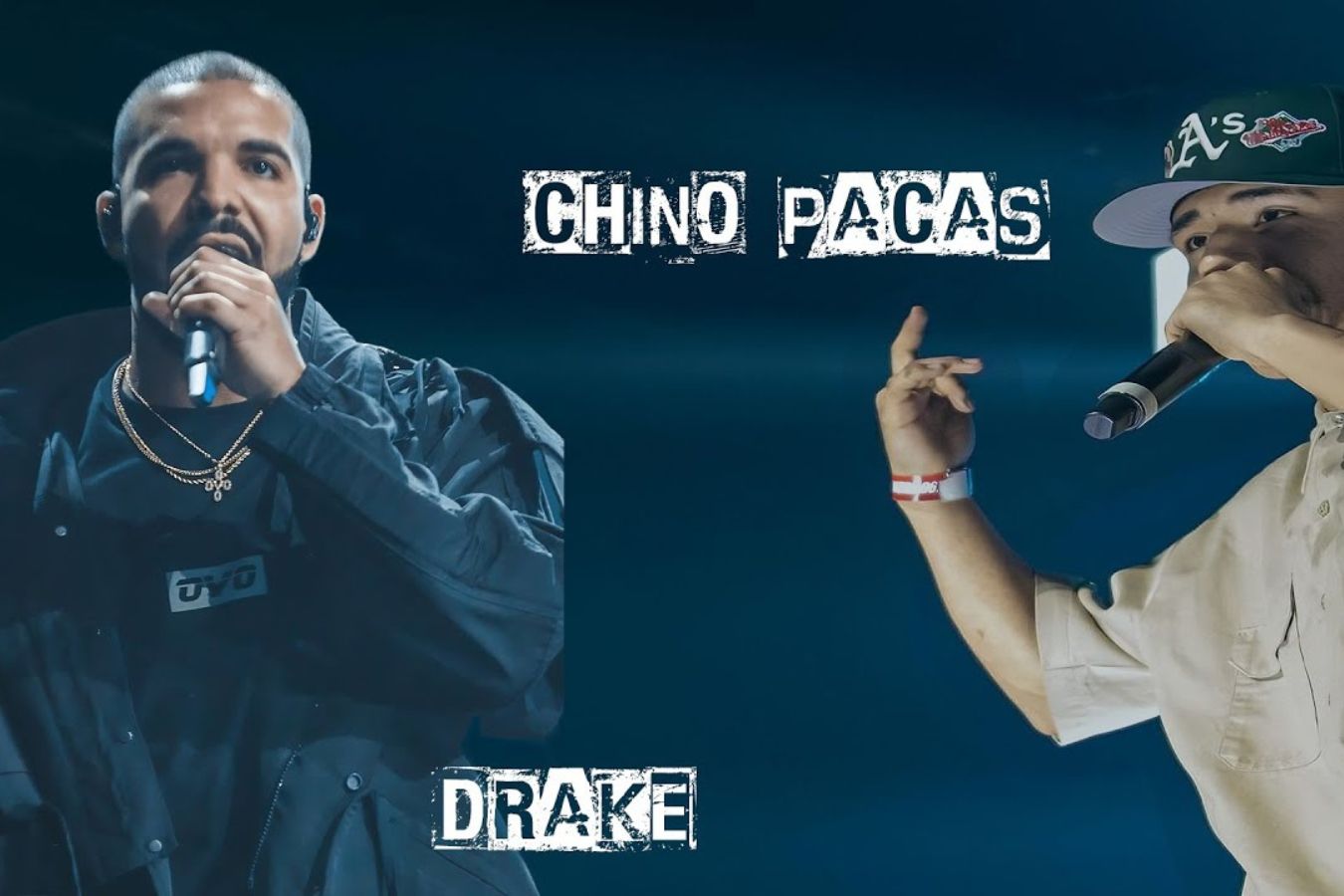
Chino Pacas opens with bold lines about breaking records, comparing himself to LeBron James, and bragging about how “the girls enjoy the scent of Dior.” His verses are a celebration of his rising status, painting a picture of someone who stands out in every way.
Drake, known for emotional depth in his music, takes a slightly different approach. His verse, sung partially in Spanish, reflects on emotional detachment amidst the high life. Lines like “Baby, chula, tell me now / Todas dicen ‘papi,’ but I want no love” blend allure with a hint of loneliness, a signature Drake move.
For fans dissecting the lyrics, “Modo Capone” is more than just braggadocio. It carries layers of introspection, adding depth to the flashy imagery.
Drake’s Spanish Verse Sparks Debate
While “Modo Capone” is Drake’s first venture into corrido tumbado, fan reactions have been mixed. Some see it as a smart move, showcasing his versatility and tapping into a genre with growing global appeal. Others are more skeptical, calling it another case of “the Drake Stimulus Package,” where Drake’s involvement boosts a genre’s popularity but raises questions about his sincerity.
Chino Pacas, however, couldn’t be more thrilled. “We all know how much of a legend he is, how many years he’s been in this industry, and all the experience he has, so it was an honor for me,” he said. For him, the collaboration is about bringing Mexican music to a broader audience, with Drake as an unexpected yet powerful partner.

The success of “Modo Capone” highlights the growing demand for cross-genre musical experiments. Corridos, especially corrido tumbado, have been making a strong comeback, particularly among younger audiences who appreciate the fusion of traditional Mexican sounds with modern influences like trap and reggaeton.
For Drake, this is another chapter in his constant reinvention. This time, he’s not just sampling the sounds of another culture—he’s fully immersing himself in it. It’s a bold move that’s sure to spark conversation, as it pushes the boundaries of what’s expected from both artists and genres.
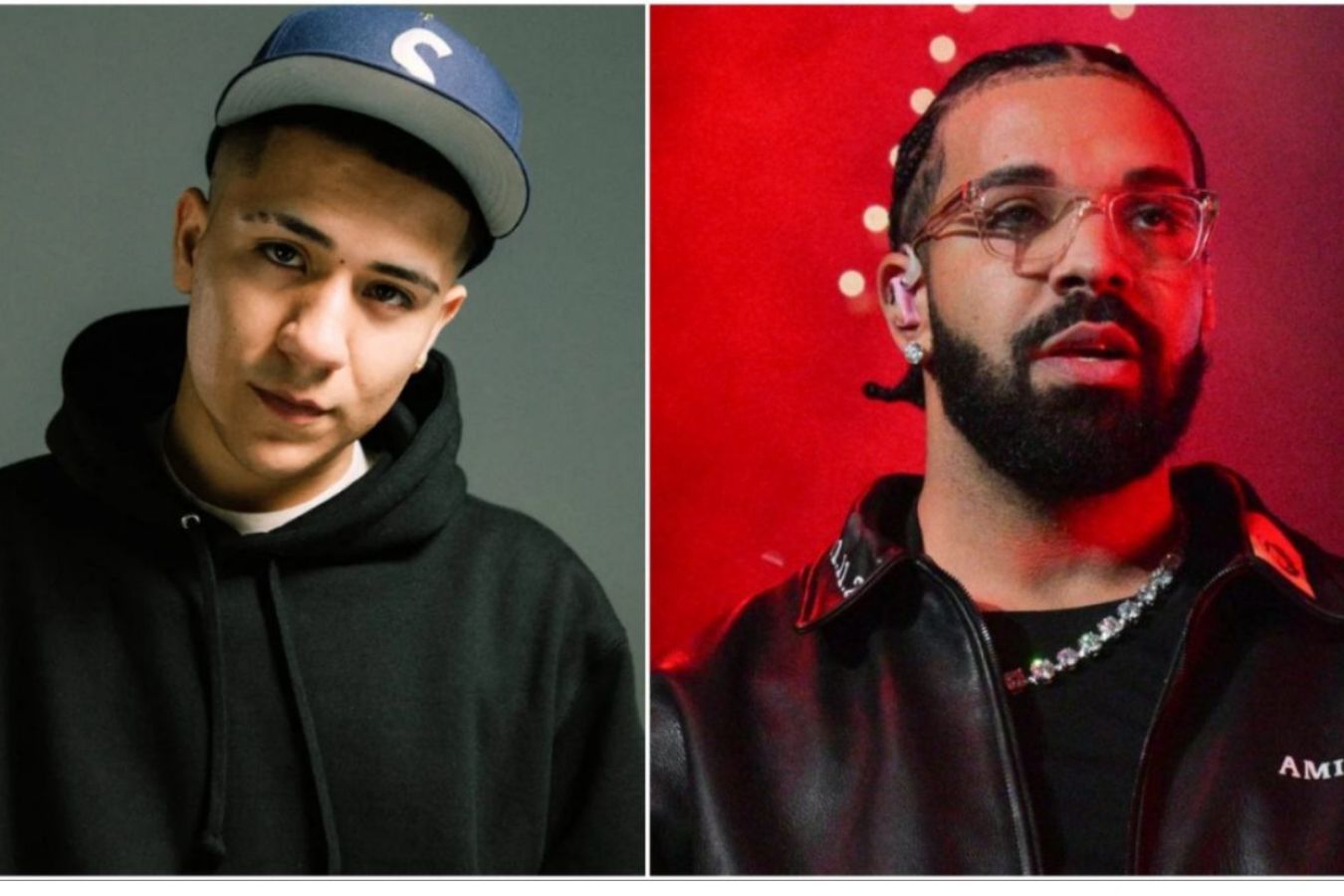
‘Modo Capone’ and its Impact on Music and Pop Culture
At first glance, “Modo Capone” might seem like an odd pairing, but that unpredictability is exactly what makes it work. While Drake’s Spanish may not be perfect, the track’s ambition and blend of old and new make it stand out. It’s part tribute, part reinvention.
Whether you’re a longtime fan of Chino Pacas or just curious about Drake’s next genre-bending experiment, “Modo Capone” is definitely worth a listen. It’s also a strong indicator that both artists are far from done pushing musical boundaries.