

The Mexican Firefighter Who Ran Into 9/11
September 11, 2001, began like an ordinary New York morning for Rafael Hernández.
The Mexican firefighter was strolling through Manhattan with friends visiting from Mexico. The sky was clear, the weather was beautiful, and the city was doing what New York does best, moving fast and seemingly without pause.
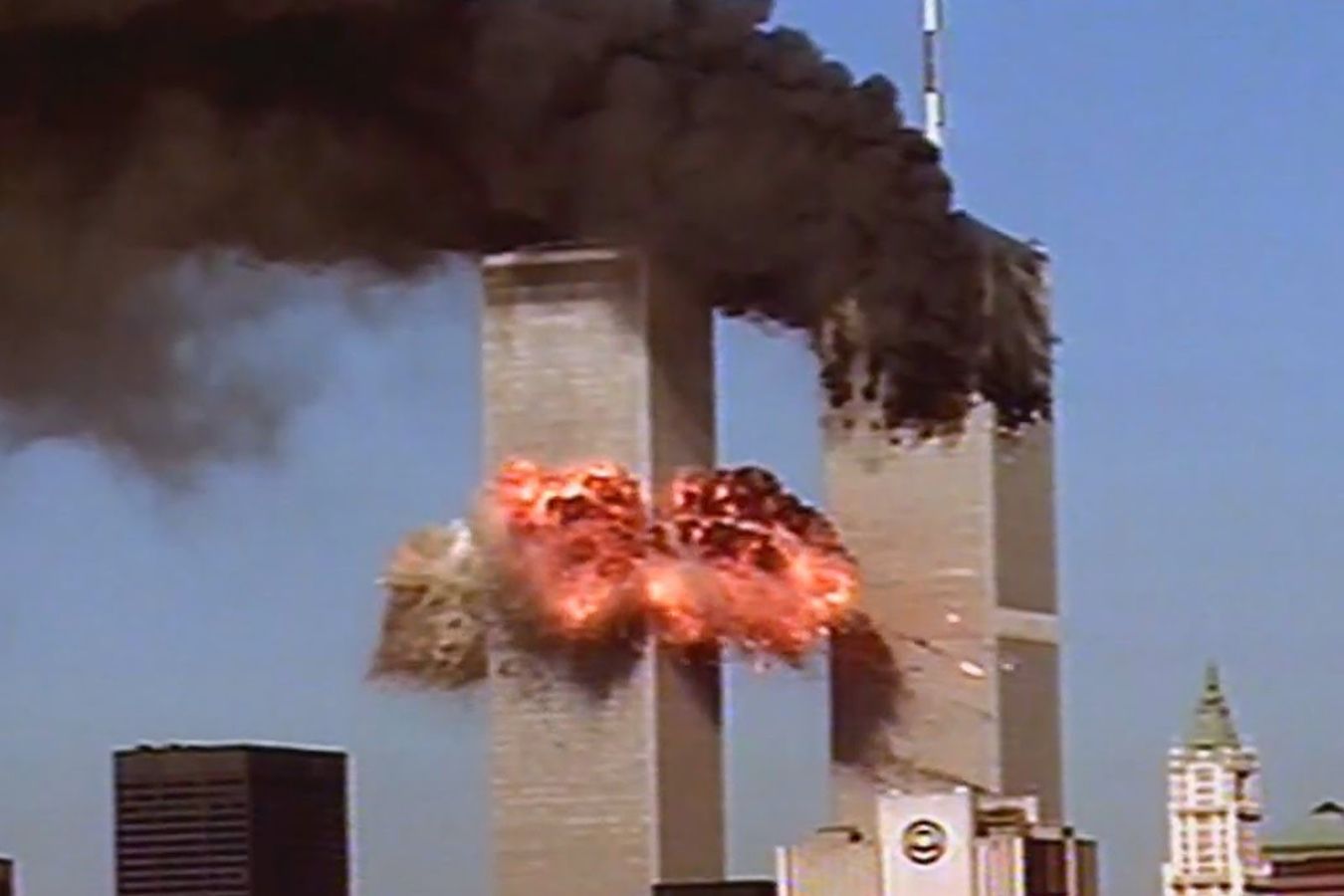
Then the first plane struck the World Trade Center.
Within minutes, the familiar rhythm of downtown Manhattan disappeared. Smoke filled the sky, sirens screamed through the streets, and thousands of people began running away from the burning towers.
Hernández did the opposite.
He ran toward them.
When Instinct Took Over
Hernández was a firefighter in Mexico, and when he saw the smoke rising from the World Trade Center, his training and instincts kicked in.
“I smelled the smoke,” Hernández later recalled. “The smell of fire sent me running toward it.”
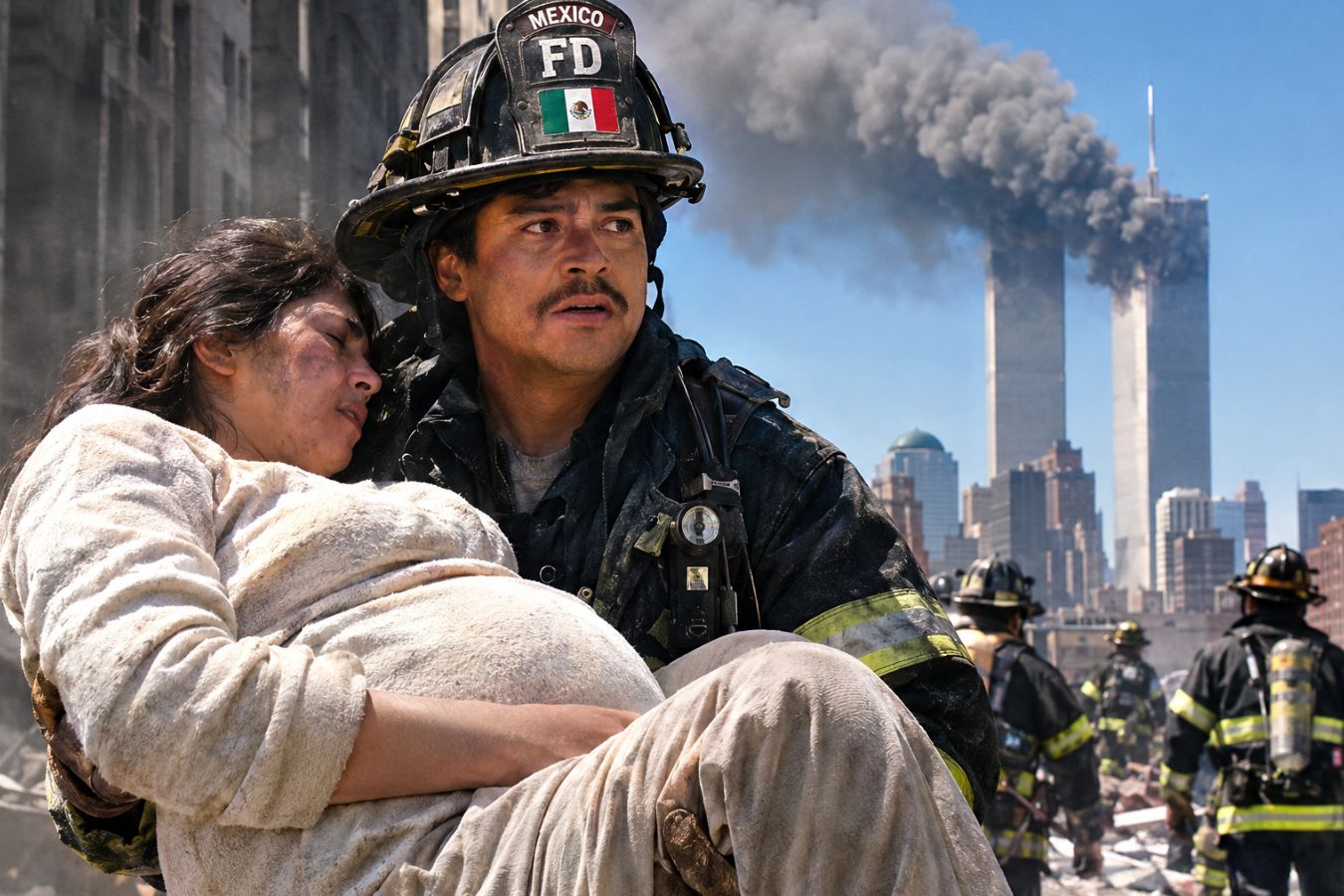
He rushed to a nearby New York fire station, identified himself by showing his Mexican firefighter badge, and offered his assistance.
There was little time for introductions or explanations. New York firefighters were facing an unimaginable emergency, and every set of capable hands mattered.
Hernández was given firefighting equipment and joined a group of New York firefighters heading toward the North Tower.
They knew they were walking into an extremely dangerous situation. They went anyway.
That decision would change Hernández’s life forever.
Climbing Into Danger
Inside the North Tower, the situation was becoming increasingly chaotic.
Thousands of people were desperately trying to escape while firefighters and emergency workers climbed upward, searching for those who remained trapped.
Hernández and the firefighters climbed 28 flights of stairs.
Then a captain told him he could not continue. Hernández did not have the specialized equipment required to proceed farther into the building.
But before he could leave, he encountered someone who needed help immediately.
A woman, nine months pregnant, was trapped inside the tower. Her water had broken, and she was unable to make her way out on her own.
For Hernández, the decision was simple.
He would not leave her behind.
He carried the pregnant woman down the same 28 flights of stairs he had just climbed, protecting her as best he could while the building around them descended into terror and confusion.
Step by step, they made their way toward the exit.
Eventually, Hernández got her out of the North Tower and into an ambulance.
It was a race against time.
Only minutes later, the tower collapsed.
A Rescue That Became a Legacy
The woman and her baby survived.
Thousands of others were not so fortunate.
More than 2,700 people were killed in the attacks on the World Trade Center. Among them were hundreds of Latinos, including immigrants and people with deep roots throughout the Latino community.
The September 11 tragedy is often remembered through enormous numbers, names etched into memorials, photographs of smoke rising over Manhattan and images of firefighters climbing staircases.
But history is also made in individual moments.
One of those moments belonged to Hernández, a Mexican firefighter who happened to be in New York that morning and decided that his responsibility did not end at an international border.
He was not a New York firefighter.
He was not required to help.
He simply saw people in danger and responded.
He Stayed Behind
Getting the pregnant woman to safety was not the end of Hernández’s service.
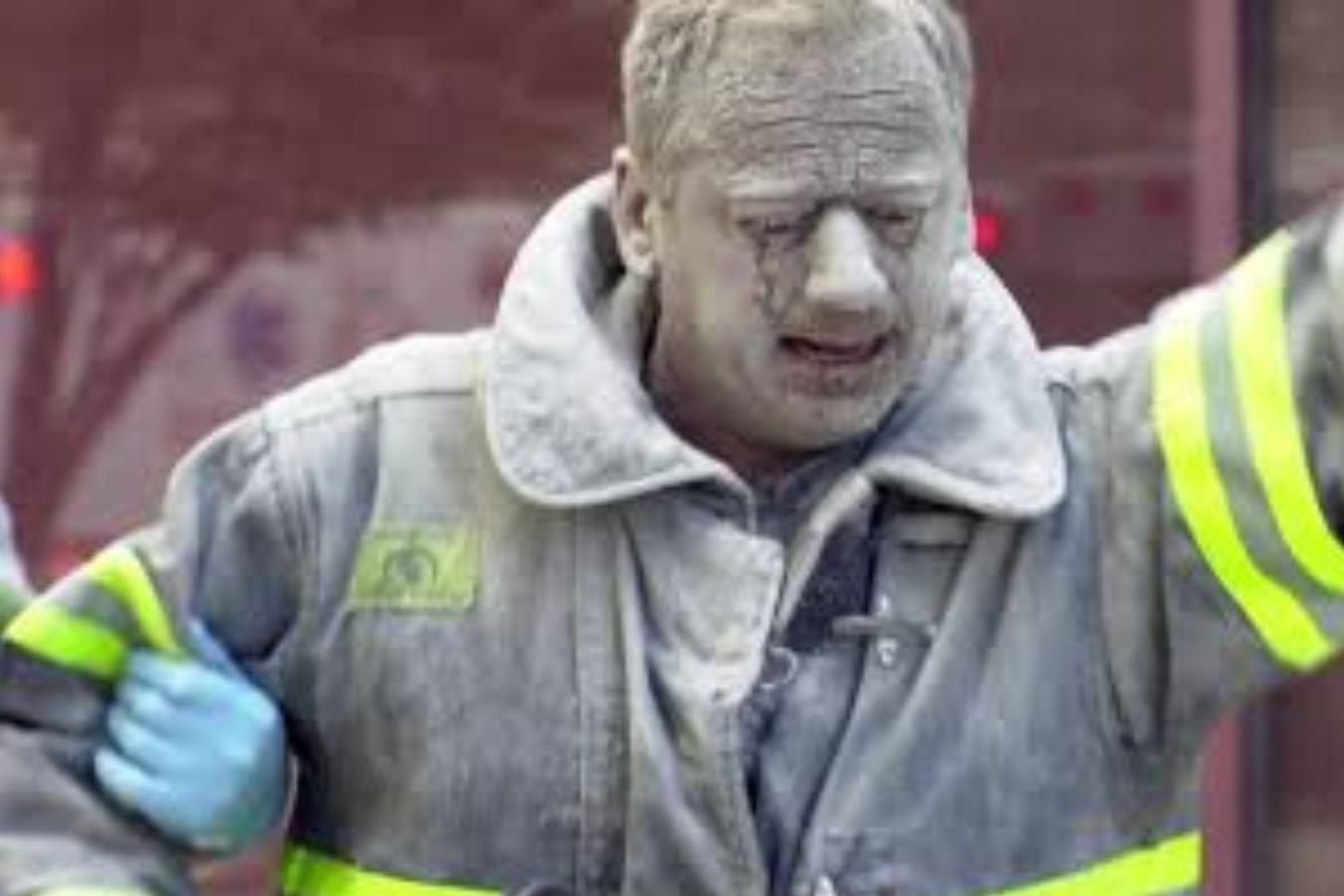
He remained at Ground Zero, joining firefighters, rescue workers and volunteers who searched for survivors and worked through the enormous debris field left behind by the destruction of the towers.
The work was brutal.
Ground Zero was filled with dust, smoke and hazardous material. Rescue and recovery workers spent countless hours in an environment that would later be linked to devastating health problems among first responders and others who worked at the site.
Hernández was among them.
He breathed the toxic air while helping with the recovery effort, putting himself in danger long after the towers had fallen.
For Hernández, helping New York was not a one-day decision.
It became part of his life.
From New York to New Orleans
The experience left a lasting impression on him.
In 2005, when Hurricane Katrina devastated New Orleans, Hernández once again traveled to an American city in crisis to help people who had lost homes, possessions and loved ones.
Nobody needed to put his name on a roster.
Nobody needed to order him into action.
He went because people needed help.
That pattern says something important about Hernández’s story. His heroism was not simply about what happened inside the World Trade Center on September 11. It was about a philosophy of service that continued afterward.
The Invisible Wounds of 9/11
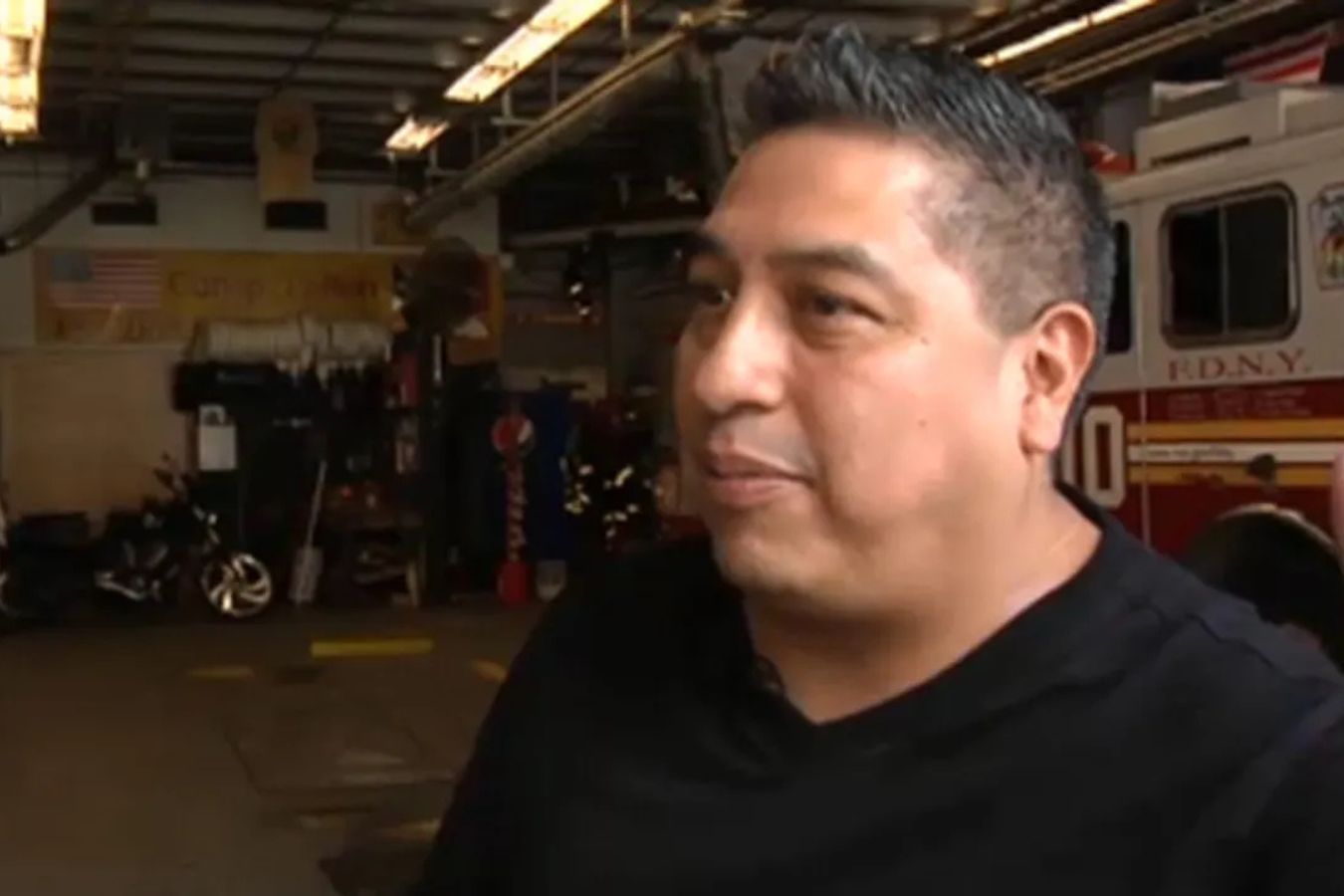
Hernández survived September 11, but the attacks ultimately took a devastating toll on his health.
Like many people who worked at Ground Zero, he was exposed to the toxic dust and debris released by the collapse of the towers.
Over time, his respiratory health deteriorated severely.
The man who had once climbed 28 flights of stairs carrying a pregnant woman eventually struggled to walk even short distances without becoming breathless. His condition became so serious that he needed a respirator while sleeping.
A decade after the attacks, Hernández died from respiratory complications in September 2011.
He had survived the day that changed America.
But he did not escape its consequences.
Remembering a Different Kind of Hero
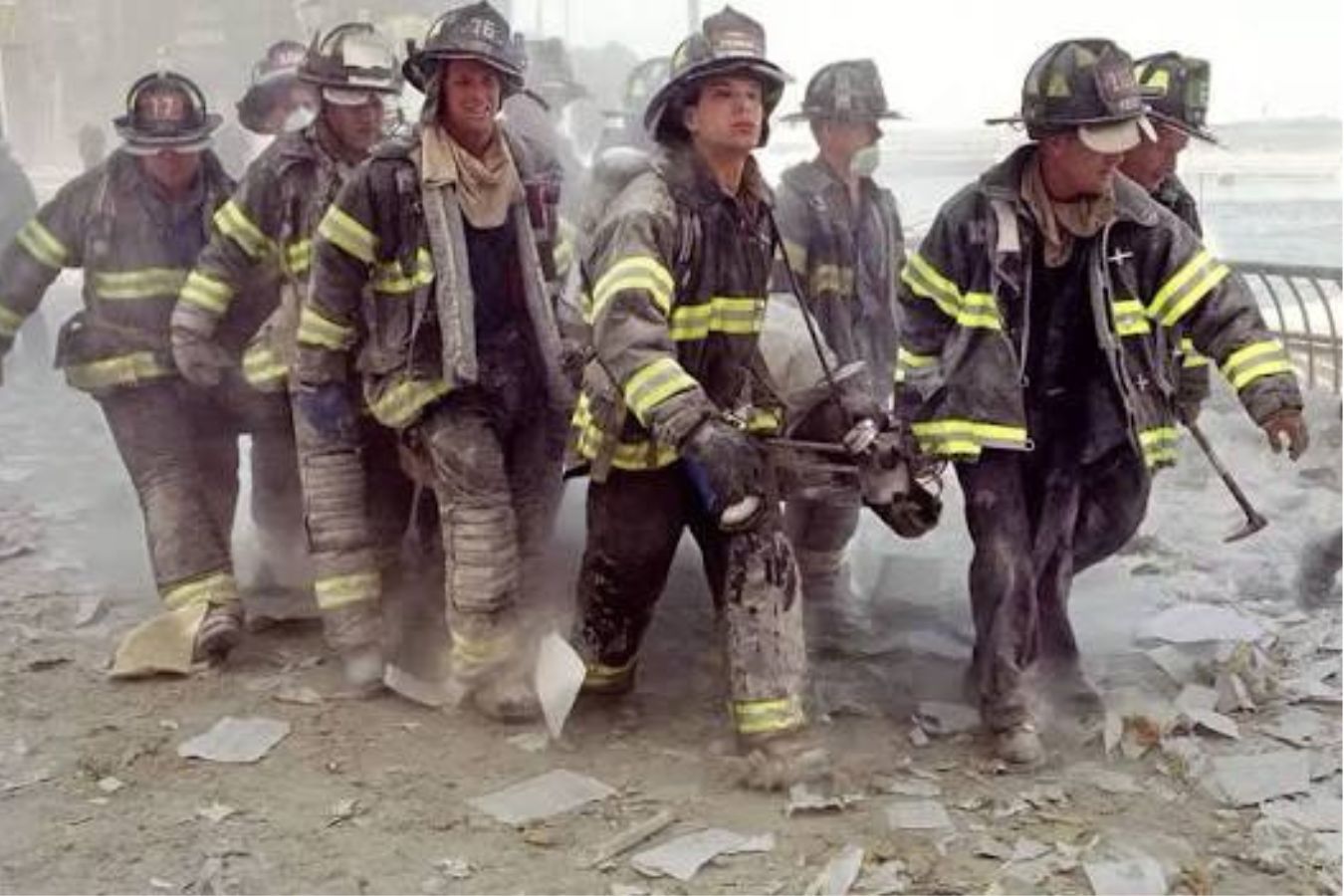
September 11 is remembered for unimaginable loss, but it is also a story about what people did when confronted with unimaginable circumstances.
Firefighters climbed upward while civilians desperately tried to get down. Strangers helped strangers. Immigrants stood beside Americans. Volunteers arrived from across the country.
And among them was a Mexican firefighter who had simply been visiting New York.
Hernández could have watched the smoke from a safe distance. He could have continued walking away from the danger.
Instead, he showed up.
He ran toward the fire.
He climbed the stairs.
He carried a woman to safety.
Then he stayed.
His story is a reminder that heroism does not always arrive with a grand announcement. Sometimes it arrives unexpectedly, wearing borrowed equipment, carrying someone down 28 flights of stairs, and asking only one question:
Who needs help?
On September 11, 2001, Rafael Hernández had an answer.