

The Latino Vote Changed America: How Young Voters Helped Rewrite the 2026 Midterms
From Texas to Kansas, Latino voters helped fuel a political earthquake, while a record wave of Hispanic candidates made history across the country. And the younger generation may have been the biggest surprise of all.
For years, political strategists have talked about the growing power of the Latino vote in America. They have studied it, courted it, debated it, and occasionally underestimated it. But the 2026 midterm elections may have delivered the clearest demonstration yet of just how much political influence this increasingly important electorate can wield.
This time, Latino voters weren’t simply part of the conversation. They helped change it.
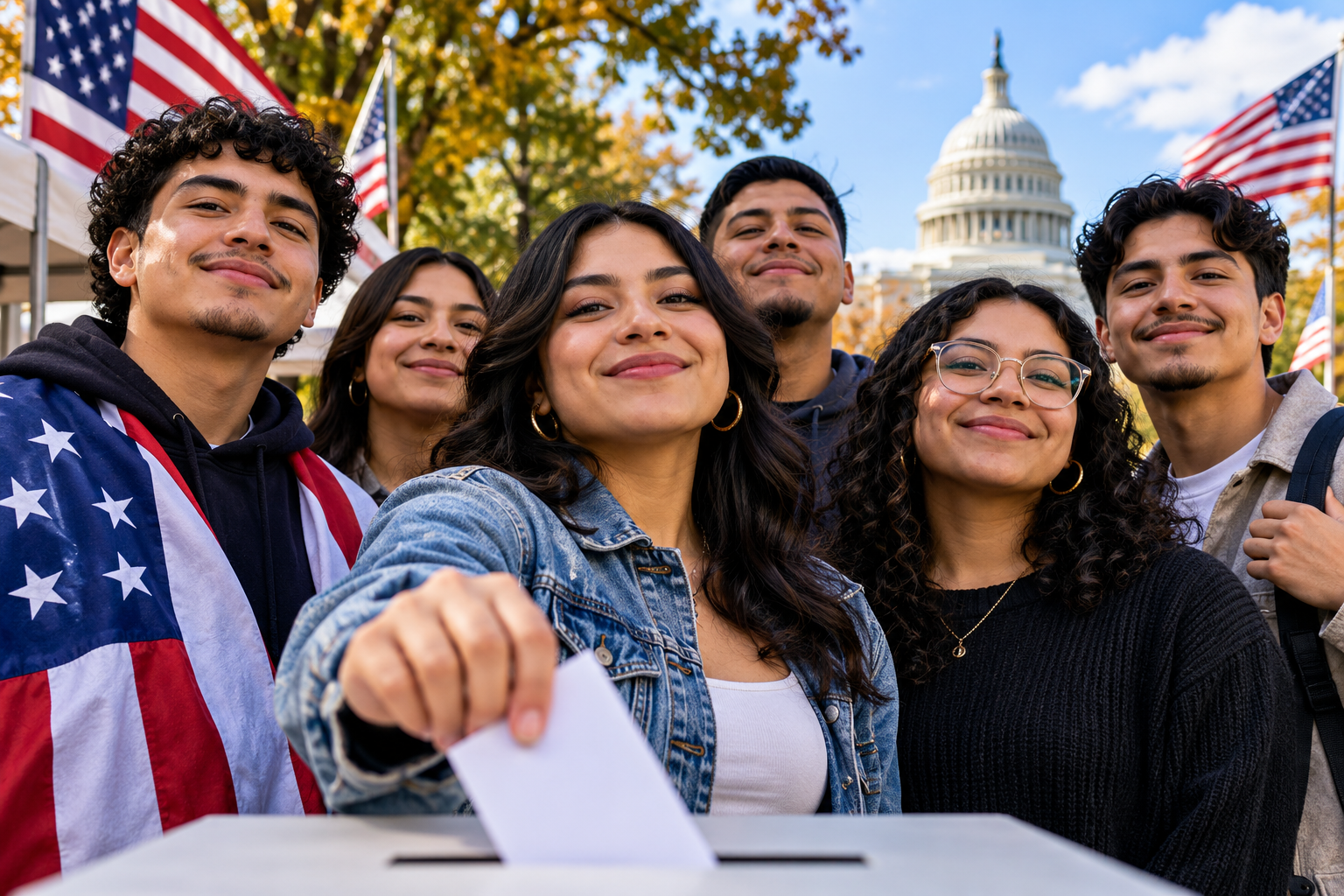
The November 3 elections produced a sweeping Democratic victory, handing the party control of both the House of Representatives and the Senate, delivering stunning victories in traditionally Republican territory, and ushering in a new generation of Latino political leadership.
Perhaps the most remarkable development was the dramatic shift among younger Latino voters. Many had been considered an increasingly competitive constituency for Republicans following Donald Trump’s gains among Hispanic voters in 2024. Two years later, the political picture looked dramatically different.
In Texas, Latino voters helped propel Democrats to victories in the governor’s race and the U.S. Senate contest. In Kansas, Hispanic-majority counties that had strongly supported Trump in 2024 moved toward Democratic Senate candidate Adam Hamilton, helping deliver an extraordinary political upset.
And across the country, Latino candidates were elected to Congress and some of the highest offices in state government, breaking barriers that had stood for generations.
The message from the Latino electorate was not complicated: political loyalty is not permanent, economic realities matter, and representation is about more than campaign promises.
Washington might want to take notes.
The Latino Vote: From Political Prediction to Political Power
The numbers tell an important story.
According to Associated Press reporting based on its extensive AP Voter Poll, approximately one-third of Hispanic voters supported Republican candidates in their congressional districts in 2026. That compares with roughly 40% of Hispanic voters who supported Trump in the 2024 presidential election.
The shift was particularly noticeable in heavily Latino communities.
In congressional districts where at least 25% of the citizen voting-age population was Hispanic, Democrats improved their share of the vote by an average of approximately 11 percentage points compared with Kamala Harris’s 2024 performance. In other districts, the improvement averaged about seven percentage points.
In majority-Hispanic counties, Democratic Senate candidates performed more than 15 percentage points better than their party had in 2024.
These numbers suggest something important: Latino voters were not simply returning to familiar political habits. They were responding to the issues, candidates, and circumstances of a different election.
Economic pressure, inflation, immigration enforcement, housing costs, and concerns about government accountability all played a role.
For many Latino households, the economy is not an abstract discussion taking place on a cable news panel. It is the rent due at the end of the month, the cost of groceries, the price of gasoline, and the ability to help family members get ahead.
Immigration enforcement also became increasingly personal. Even U.S. citizens and legal residents in mixed-status families felt the effects of the administration’s aggressive immigration policies.
The Republican Party had made significant gains among Hispanic voters in 2024. The 2026 results demonstrated that those gains were not necessarily permanent.
In politics, a second chance is not the same thing as a lifetime membership.
The Truth About: UFC Star Justin Gaethje: A Proud American with Mexican Roots
Generation Z and Young Latino Voters: The Political Plot Twist
If there was one demographic development that deserves special attention, it was the dramatic movement among younger voters, particularly young Latino men.
Research from Tufts University’s Center for Information & Research on Civic Learning and Engagement, known as CIRCLE, found that young voters gave Democratic congressional candidates a 66% to 31% advantage nationally in 2026.
That represents a 35-point Democratic advantage.
But the most striking numbers involved young Latino men.
In the 2024 presidential election, young Latino men narrowly favored Donald Trump, 49% to 47% over Kamala Harris.
In the 2026 midterms, the same demographic group favored Democratic House candidates by an extraordinary margin: 65% to 28%.
That’s a 37-point Democratic advantage, representing a remarkable political swing in just two years.
Young Latina women also moved toward Democratic candidates, becoming 13 percentage points more likely to support Democrats than they had been when voting for president in 2024.
These comparisons require some context. The 2024 figures measure presidential vote choice, while the 2026 figures measure congressional vote choice. They do not necessarily mean every individual voter changed political allegiance. Different turnout patterns may also explain part of the movement.
Nevertheless, the shift is significant.
Why did it happen?
Part of the answer lies in the everyday concerns of younger Americans.
Young Latinos are confronting an increasingly expensive housing market, student debt, uncertain employment opportunities, rising healthcare costs, and the challenge of building financial security in an economy that often seems designed to make getting ahead more difficult.
They are also navigating a political environment in which immigration enforcement can affect their parents, relatives, friends, and communities, regardless of their own citizenship status.
For many, these are not ideological talking points. They are personal experiences.
There is another important factor: younger Latinos are politically diverse, digitally connected, and increasingly unwilling to accept the idea that their vote belongs automatically to either political party.
They may support conservative positions on certain issues while favoring progressive positions on others. They may be entrepreneurial, religious, socially moderate, or politically independent.
The assumption that Latino youth will vote according to a predetermined political script is becoming increasingly outdated.
And political campaigns that continue to treat them as one uniform group may find themselves campaigning in the wrong language, sometimes literally.
Two Red States, Two Major Political Earthquakes
The 2026 election produced major Democratic victories in Republican-leaning states. However, two particularly important stories demonstrate the influence of shifting Latino voting patterns: Texas and Kansas.
The Truth About: A Dominican Man, Juan Rodriguez was New York’s First Immigrant
Texas: The Lone Star State Changes the Political Conversation
For decades, Texas has been one of the Republican Party’s most important political strongholds.
That changed dramatically on November 3.
Democrat Gina Hinojosa defeated Republican incumbent Greg Abbott to become the first Latina governor in Texas history. Democrat James Talarico also defeated Republican Ken Paxton in the U.S. Senate race.
Democrats won every statewide office on the Texas ballot, ending a 31-year Republican hold on the governor’s office.
The Latino vote was central to this transformation.
According to AP polling, approximately 70% of Hispanic voters supported Talarico in the Senate contest, compared with roughly 30% who supported Paxton.
In 2024, Hispanic voters in Texas had been essentially divided between Trump and Harris.
The change was particularly important in South Texas and the Rio Grande Valley, where Hispanic communities represent a substantial share of the population.
Every county in Texas voted more Democratic in 2026 than it had in 2024. The more heavily Hispanic the county, generally the larger the Democratic shift.
Democrats also won every congressional district touching the U.S.-Mexico border, something the party had not accomplished since 2008.
And consider this: Texas Republicans had redrawn congressional districts in an effort to improve their chances of gaining additional seats. Instead, Democrats won several of the targeted districts, producing an embarrassing political setback for Republican strategists.
Texas did not suddenly become permanently Democratic. But its 2026 election demonstrated that the state’s political future is far more competitive than many Republicans had assumed.
Kansas: A Senate Upset Nobody Could Easily Dismiss
Kansas offered another example of the changing political landscape.
Democrat Adam Hamilton defeated his Republican opponent to become the first Democrat in nearly a century to win a U.S. Senate contest in the state.
One of the most revealing developments occurred in southwestern Kansas.
Three heavily Hispanic counties, Finney, Ford, and Seward, had overwhelmingly supported Trump in 2024. In 2026, those same counties shifted toward Hamilton.
Voter turnout across the three counties increased by 27% compared with the 2022 midterms.
The result was particularly significant because it demonstrated that Latino political influence was not confined to major metropolitan areas or traditional Democratic strongholds.
Agricultural communities, smaller cities, and rural counties were also part of the political realignment.
Kansas did not become a Democratic state overnight. Republicans continued to hold considerable political strength there. But a Democrat winning a Senate race after nearly a century of Republican dominance is no ordinary political development.
Were There Other States That Turned Blue?
Democrats also made major gains in Ohio, Georgia, South Carolina, Colorado, and other competitive states.
However, it is important to distinguish between flipping an individual congressional or statewide office and turning an entire state blue.
The clearest examples of traditionally Republican states experiencing major statewide Democratic breakthroughs were Texas and Kansas.
Other victories, including Democratic gains in congressional districts, contributed to the national shift in power without necessarily changing the overall political identity of those states.
The bigger story is that Latino voters helped Democrats compete in places where Republicans had increasingly assumed their support was secure.
That is a much more significant development than simply changing the color of an election map.
The Latino Representation Breakthrough: A New Generation Takes Its Place
The 2026 midterms also produced an extraordinary expansion of Latino representation in American government.
According to the Associated Press, 14 Hispanic Democrats were newly elected to the House of Representatives. Ten won districts previously represented by Republicans or districts redrawn to favor the GOP.
The Congressional Hispanic Caucus is projected to grow to 55 members in the 120th Congress, its largest membership in the organization’s 50-year history.
This is more than a symbolic milestone.
It means Latino lawmakers will have a larger presence in congressional discussions involving immigration, healthcare, education, small-business development, housing, economic opportunity, and foreign policy.
It also reflects a changing political reality: Latino Americans are no longer simply asking political parties to pay attention to their communities. They are increasingly running for office and winning.
The New Latino Members of Congress
Complete List of New Latino Members of Congress,2026 Midterm Elections
15 newly elected representatives identified
The November 3, 2026 midterm elections produced a significant expansion of Latino representation in the U.S. House of Representatives.
As of November 9, the published roster identifies 15 incoming Latino/Hispanic representatives, consisting of 14 Democrats and one Republican. The Congressional Hispanic Caucus, which includes Democratic Hispanic lawmakers, expects its membership to reach 55, the largest in its 50-year history.
Below is the consolidated list, including congressional districts, party affiliation, background, and publicly identified Latino heritage.
What They Hide: Puerto Rican Women Used as Guinea Pigs in Birth Control Test
The 15 new Latino representatives
| Representative-elect | State / District | Party | Latino heritage | Background |
| JoAnna Mendoza | Arizona 6 | Democrat | Mexican American | Marine Corps and Navy veteran, served 20 years. Daughter of farmworkers and a single mother. Defeated Republican incumbent Juan Ciscomani. |
| Randy Villegas | California 22 | Democrat | Mexican American | Former Visalia school board member. Defeated Republican David Valadao in California’s Central Valley. |
| Angela Gonzales-Torres | California 34 | Democrat | Mexican American | Former president of the Highland Park Neighborhood Council. Defeated incumbent Jimmy Gomez. |
| Manny Rutinel | Colorado 8 | Democrat | Dominican American | Former Colorado state representative, environmental attorney, and son of a Dominican immigrant. Defeated Republican Gabe Evans. |
| Patty García | Illinois 4 | Democrat | Mexican American | Former chief of staff to Congressman Jesús “Chuy” García. Won the seat previously held by García. |
| Denise Powell | Nebraska 2 | Democrat | Chilean and Cuban | Political organizer and co-founder of Women Who Run Nebraska. Daughter of immigrants from Chile and Cuba. First Latina elected to Congress from Nebraska. |
| Teresa Benitez-Thompson | Nevada 2 | Democrat | Mexican American | Former Nevada state assemblywoman and majority leader. First Latina elected to Congress from Nevada. |
| Claire Valdez | New York 7 | Democrat | Mexican American | Former labor organizer and New York State Assembly member. Won the Brooklyn and Queens congressional seat previously held by Nydia Velázquez. |
| Darializa Ávila Chevalier | New York 13 | Democrat | Dominican American | Community organizer who worked with immigrant families facing deportation proceedings. Columbia University graduate and doctoral student at CUNY. Daughter of Dominican immigrants. |
| Richard Ojeda | North Carolina 9 | Democrat | Mexican American | Retired Army paratrooper and former West Virginia state senator. First Latino elected to federal Congress from North Carolina. |
| Leticia Gutierrez | Texas 9 | Democrat | Mexican American | Former Houston City Council aide. Won a Houston-area congressional district. |
| Bobby Pulido | Texas 15 | Democrat | Mexican American | Grammy-winning Tejano singer who entered politics after a successful music career. Defeated Republican incumbent Monica De La Cruz. |
| Katy Padilla Stout | Texas 23 | Democrat | Mexican American | Attorney who won a competitive West Texas congressional district. Defeated Republican Brandon Herrera. |
| Johnny Garcia | Texas 35 | Democrat | Mexican American | Former Bexar County sheriff’s deputy. Previously worked in construction and plumbing before entering law enforcement. |
| Michael Alfonso | Wisconsin 7 | Republican | Cuban American | Republican representative-elect succeeding Tom Tiffany. His election adds Latino representation on the Republican side of the incoming House. |
Sources: CQ Roll Call’s election results, EL PAÍS, the published Congressional Hispanic representation roster, and candidate biographical reporting.
Important additional Latino election victories
The following politicians also won in 2026, but they should be listed separately because they are not first-time members of the House.
| Name | State | Position / result |
| Ben Ray Luján | New Mexico | Reelected to the U.S. Senate |
| Teresa Leger Fernández | New Mexico | Reelected to the U.S. House |
| Gabe Vásquez | New Mexico | Reelected to the U.S. House |
| Adelita Grijalva | Arizona | Reelected to the U.S. House |
| Alexandria Ocasio-Cortez | New York | Reelected to the U.S. House |
| Ritchie Torres | New York | Reelected to the U.S. House |
| Vicente Gonzalez | Texas | Reelected to the U.S. House |
| Henry Cuellar | Texas | Reelected to the U.S. House |
| Veronica Escobar | Texas | Reelected to the U.S. House |
| Joaquin Castro | Texas | Reelected to the U.S. House |
These are selected returning Latino lawmakers, not a complete list of every Hispanic incumbent who won reelection.

The Historic Latino Governors: Texas and California Break New Ground
Perhaps the most visible representation milestone of the election was the victory of two Mexican American politicians in the nation’s two most populous states.
Together, Texas and California represent more than 71 million Americans.
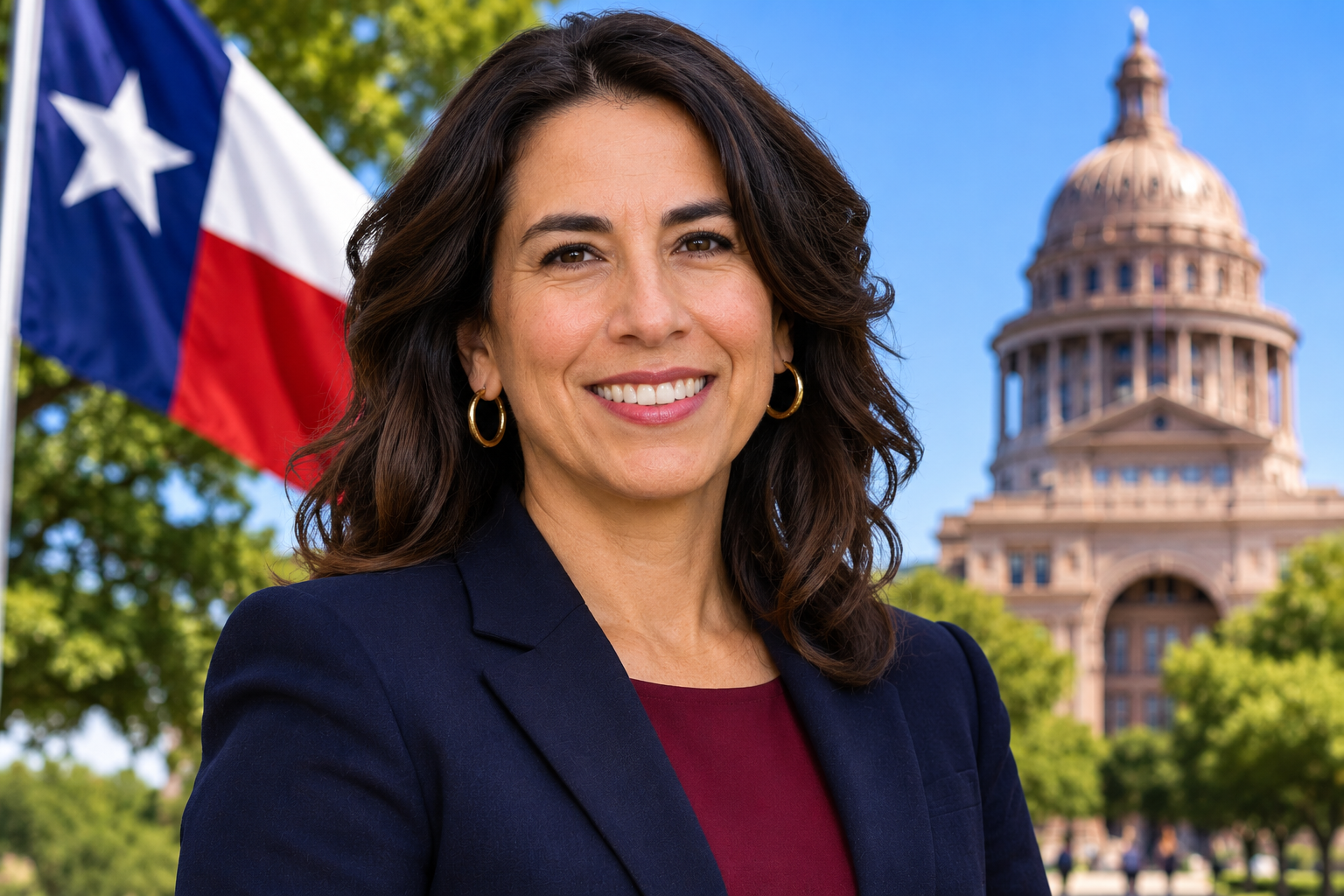
Gina Hinojosa,Governor of Texas
Gina Hinojosa made history by becoming the first Latina elected governor of Texas.
Born and raised in Brownsville in the Rio Grande Valley, Hinojosa built her career as a civil rights and labor attorney before entering public office.
She served on the Austin Independent School District Board of Trustees and later became a member of the Texas House of Representatives.
Her father, Gilberto Hinojosa, is a prominent Texas Democratic political figure who previously chaired the Texas Democratic Party.
Her victory over Greg Abbott was especially significant because Texas had not elected a Democratic governor since Ann Richards in 1990.
Heritage: Mexican American, with deep family and cultural roots in South Texas
.
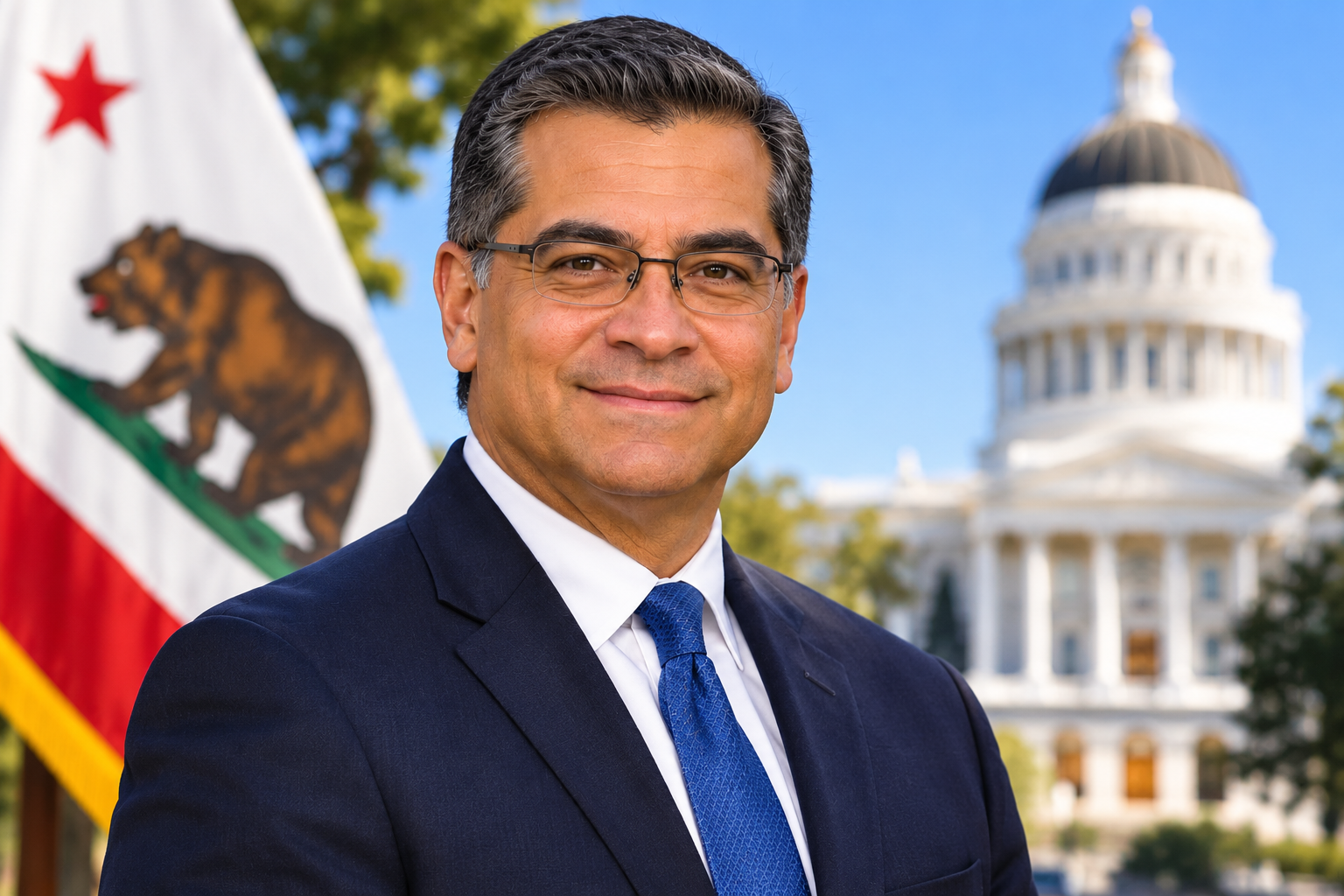
Xavier Becerra, Governor of California
Xavier Becerra became California’s first directly elected Latino governor.
The son of Mexican immigrants, Becerra grew up in a working-class family in Sacramento. He went on to graduate from Stanford University, earn a law degree, and build a lengthy career in public service.
His résumé includes serving in the U.S. House of Representatives, becoming California’s attorney general, and serving as President Joe Biden’s Secretary of Health and Human Services.
His election marks a historic milestone for a state with one of the largest Latino populations in the country.
Heritage: Mexican American. His mother was born in Mexico, while his father was born in Sacramento and grew up in Tijuana.
The significance of these two gubernatorial victories goes beyond political symbolism. For millions of Latino children, seeing leaders with similar family and cultural backgrounds occupying the governor’s office sends a powerful message about the possibilities of American political life.
Representation does not guarantee good government, but it can expand the range of people who see themselves as capable of leading it.
Must-Read: Diana Trujillo from Colombian Immigrant to NASA Engineer
Important figures
15 New Latino House representatives, 14 Democrats and 1 Republican in the compiled roster
55 Projected Hispanic Caucus members
Largest membership in its 50-year history
2 Historic Latino governors. Texas and California
10 New Hispanic Democrats. Elected in districts held by Republicans or redrawn to favor the GOP
Note: The Congressional Hispanic Caucus is a Democratic organization, so its projected 55 members do not represent the total number of Latino members of Congress across both parties. Also, the 15-person incoming House roster is a compiled identification of Latino representatives, not an official government ethnicity count. Heritage should be checked against individual biographies before publication.
What Does This Mean for the Future of American Politics?
The 2026 midterms should serve as a warning to both political parties.
For Republicans, the results demonstrate the danger of assuming that the support gained among Latino voters in 2024 would remain intact.
Trump’s political appeal among Hispanic voters was a major development in the last presidential election. But economic dissatisfaction, immigration enforcement, and concerns about the direction of the country helped undermine that support in several important communities.
For Democrats, the results offer an opportunity, but not a guarantee of permanent political loyalty.
Winning Latino voters in 2026 does not mean automatically owning their support in 2028.
The party will have to demonstrate that it can deliver on the issues that matter, including affordable housing, better-paying jobs, education, healthcare, small-business opportunities, and immigration reform.
It will also have to recognize the diversity within the Latino electorate.
A Puerto Rican family in the Bronx, a Mexican American household in Texas, a Cuban American community in Florida, and a Colombian American family in New Jersey may share certain experiences, but their political priorities and perspectives are not necessarily identical.
The same applies to younger Latinos, who are developing their own political identities rather than simply inheriting those of their parents.
Political parties that understand this will have a significant advantage in the years ahead.
The Bottom Line: The Latino Vote Is No Longer the Future. It Is the Present.
For decades, political commentators described the Latino electorate as the sleeping giant of American politics.
After the 2026 midterms, that description may finally need to be retired.
Latino voters helped power historic Democratic victories, contributed to the transformation of Texas politics, shifted heavily Hispanic Kansas counties toward a Democratic Senate candidate, and helped elect a new generation of Hispanic lawmakers.
Young Latino men, in particular, delivered one of the most dramatic demographic shifts of the election.
Meanwhile, the election of Gina Hinojosa in Texas and Xavier Becerra in California demonstrated that Latino political leadership is no longer limited to congressional districts or local government. It now extends to the executive offices of two of America’s most influential states.
The growing Latino presence in Congress also means that issues affecting Hispanic communities will have a larger platform in national political debates.
But perhaps the most important lesson is that Latino voters are increasingly demanding something that every American voter deserves: politicians who listen, deliver, and understand that public office is a responsibility, not a personal entitlement.
The 2026 midterms were not a declaration that Latinos belong to one political party. They were a declaration that Latino voters have the numbers, influence, and independence to shape the direction of both parties.
And if politicians have not figured that out by now, they might want to start paying attention.
The next election is already closer than they think.