

🎶 Remembering Merengues’ Highest Voice, Rubby Perez, and the Legacy he Leaves Behind
Remembering Rubby Pérez: The Voice That Shook a Nation. Merengue isn’t just music, it’s movement, culture, and soul. Born in the Dominican Republic in the 19th century, this upbeat, infectious genre has long been a symbol of national pride and joy. With its fast-paced rhythm, driving percussion, and call-and-response vocals, merengue has the uncanny ability to get people dancing, whether in Santo Domingo, New York, or Tokyo.

Originally played with instruments like the accordion, tambora (a two-headed drum), and güira (a metal scraper), merengue began as a rural sound tied to the everyday lives of the Dominican people. Over time, it evolved and electrified, growing from folk gatherings to big band arrangements, nightclubs, and eventually international fame.
By the mid-to-late 20th century, Dominican artists like Johnny Ventura, Wilfrido Vargas, and later Rubby Pérez transformed merengue into a cultural powerhouse. As Dominicans migrated to the United States, particularly to New York City, they brought their music with them. Merengue soon became a staple in Latin clubs and radio stations, standing proudly alongside salsa and bachata. Its irresistible energy made it a favorite at weddings, parades, and street festivals across the Americas and beyond.
Video, Something Different: The Houston Latin American Philharmonic conducted by Glenn Garrido presents Volvere. Guest artist is Rubby Perez, “La voz más alta del merengue.” This is a composition by I. Román and P. Cepero; symphonic arrangement by Glenn Garrido. This video was recorded during Viva Latin America 2022 in the Cullen Theater of the Wortham Center.
In recent years, global superstars like Bad Bunny, Karol G, and Rosalía have embraced merengue’s vibrant energy to craft some of their biggest hits, bringing the genre to a new generation of listeners. Bad Bunny paid homage to the Dominican sound with his track “Después de la Playa”, which transforms into a full-blown merengue jam mid-song. Karol G brought a modern, sultry twist to the genre with “Ojos Ferrari”, blending traditional rhythms with reggaeton. Meanwhile, Spanish sensation Rosalía shook up the music scene with “Despechá”, a chart-topping merengue-inspired anthem that swept dance floors worldwide. These artists are not only honoring merengue’s legacy, they’re giving it fresh life on a global stage.
Today, merengue remains one of the most danceable genres in the world , a timeless celebration of life, rhythm, and resilience.
-Back to Rubby Perez…
Read>>> Merengue Music: The Happy Beat that Has The Whole World Dancing
A Shocking Loss During a Night of Celebration
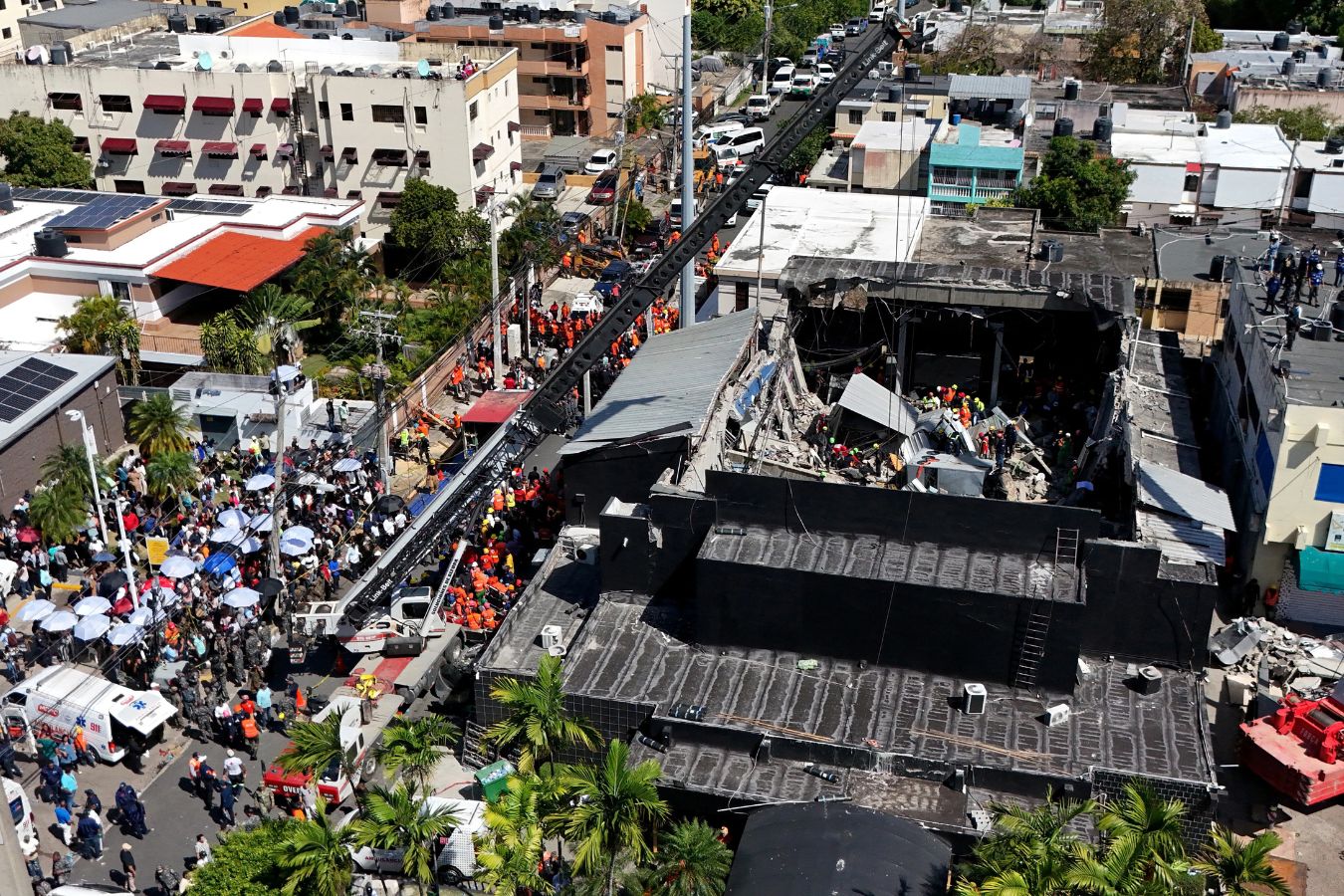
Rubby Pérez, one of the most iconic voices in Dominican music, passed away on Tuesday night while performing at the Jet Set Club in Santo Domingo. The venue’s roof collapsed during the club’s popular “Merengue Monday,” tragically killing over 231 people.
Rubby was in the middle of a performance, sharing the stage with his daughter Zulinka Pérez, when the disaster struck. She survived, but the Latin music world was left in mourning.
The Dominican government declared three days of national mourning in response to the heartbreaking event.
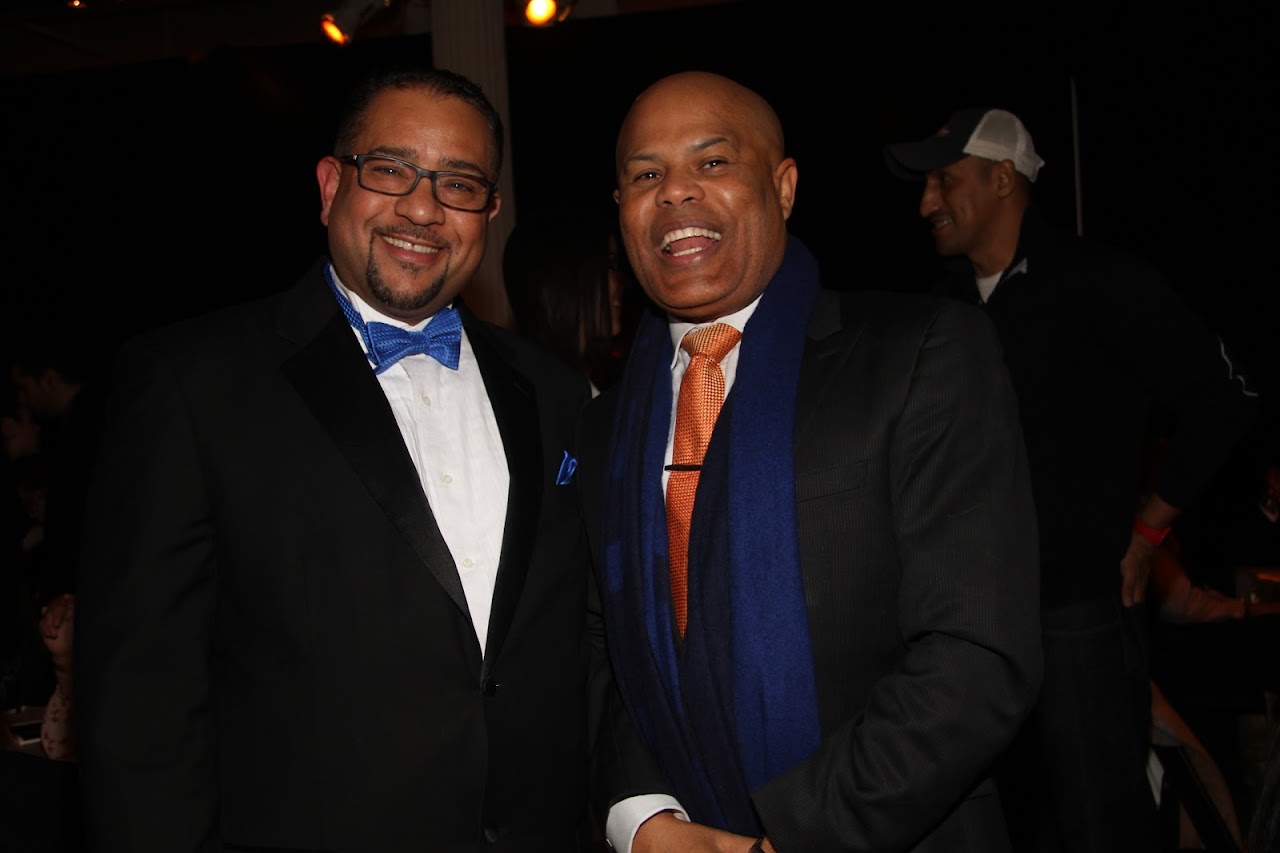
Photo below: Juan Guillen with Rubby Perez Attending “The Latino Trendsetter Awards” Produced by LatinTRENDS
From Baseball Dreams to Music Fame
Born in 1956 in Haina, Dominican Republic, Roberto Antonio Pérez Herrera, known to millions as Rubby Pérez, originally dreamed of playing professional baseball. But life took a turn at age 15 when a car accident severely damaged his leg.
“I thought I had no reason to live anymore,” he said in a past interview. After years of recovery and physical therapy, Rubby turned to music, and never looked back.
“God had another purpose for me. Instead of a bat, he put a mic in my hand,” he said.
Ironically, it was his brother, Neifi Pérez, who fulfilled the family’s baseball dream, going on to win a Gold Glove in the MLB and joining the Caribbean Baseball Hall of Fame.
Rubby Perez Live Performance at CitiField Mets Stadium in 2024
A Voice That Changed Merengue
Rubby studied piano and guitar at the National Conservatory of Santo Domingo and cut his teeth with groups like Los Juveniles de Baní and Los Hijos del Rey.
A TV host once dubbed him “the loudest voice in merengue”, a label that stuck for life.
He rose to fame in the 1980s with the orchestras of Fernando Villalona and Wilfrido Vargas, delivering classics like “Volveré” and “El africano.”
Then came 1987, Rubby went solo and soared.
Hits like “Enamorado de ella,” “Sobreviviré,” and “Hazme olvidarla” earned him a place on Billboard’s Tropical and Latin charts. He won gold and platinum awards in Venezuela and several Casandra Awards back home.
A Heart as Big as His Voice
Rubby Pérez wasn’t just a music icon, he was a humanitarian. He helped victims of the 2010 Haiti earthquake, earning praise from the Latin American Political Parties Committee in the U.S.
On Instagram, fans often saw the loving father behind the mic, especially his bond with his children. A video he shared in March showed children in another country singing and dancing to his music.
“This is my biggest legacy,” he wrote. “Seeing kids love merengue is the greatest reward I could ever receive.”
Rubby performing at Los Premios Soberanos at Palacio Nacional in DR, where he also received an award
Tributes from Music Legends
His death sent shockwaves through the music world.
Wilfrido Vargas wrote:
“I’m destroyed… The best singer our genre has ever had. A friend and an idol, he’s gone.”
Fernando Villalona shared:
“A place of joy turned into a scene of pain. It’s beyond heartbreaking.”
Ricardo Montaner recalled:
“We met in Caracas. His voice was unmatched. ‘Volveré’ will live on forever.”
Milly Quezada, the Queen of Merengue, told BBC Mundo:
“He was joyful, generous, and full of life. His soprano voice and energy lit up the stage. His ‘¡Que liindooo!’ will echo forever.”
Remembering Rubby
Rubby Pérez was more than a voice, he was a symbol of resilience, joy, and Dominican pride. From a crushed dream of baseball to becoming a global ambassador for merengue, he proved that destiny doesn’t follow a straight path. Pérez was married to Inés Antonia Lizardo for 48 years, and together they had four children. He also had three more children from other relationships, including a daughter born in Colombia.
His music, energy, and spirit will live on in the rhythm of merengue and the hearts of fans around the world.