

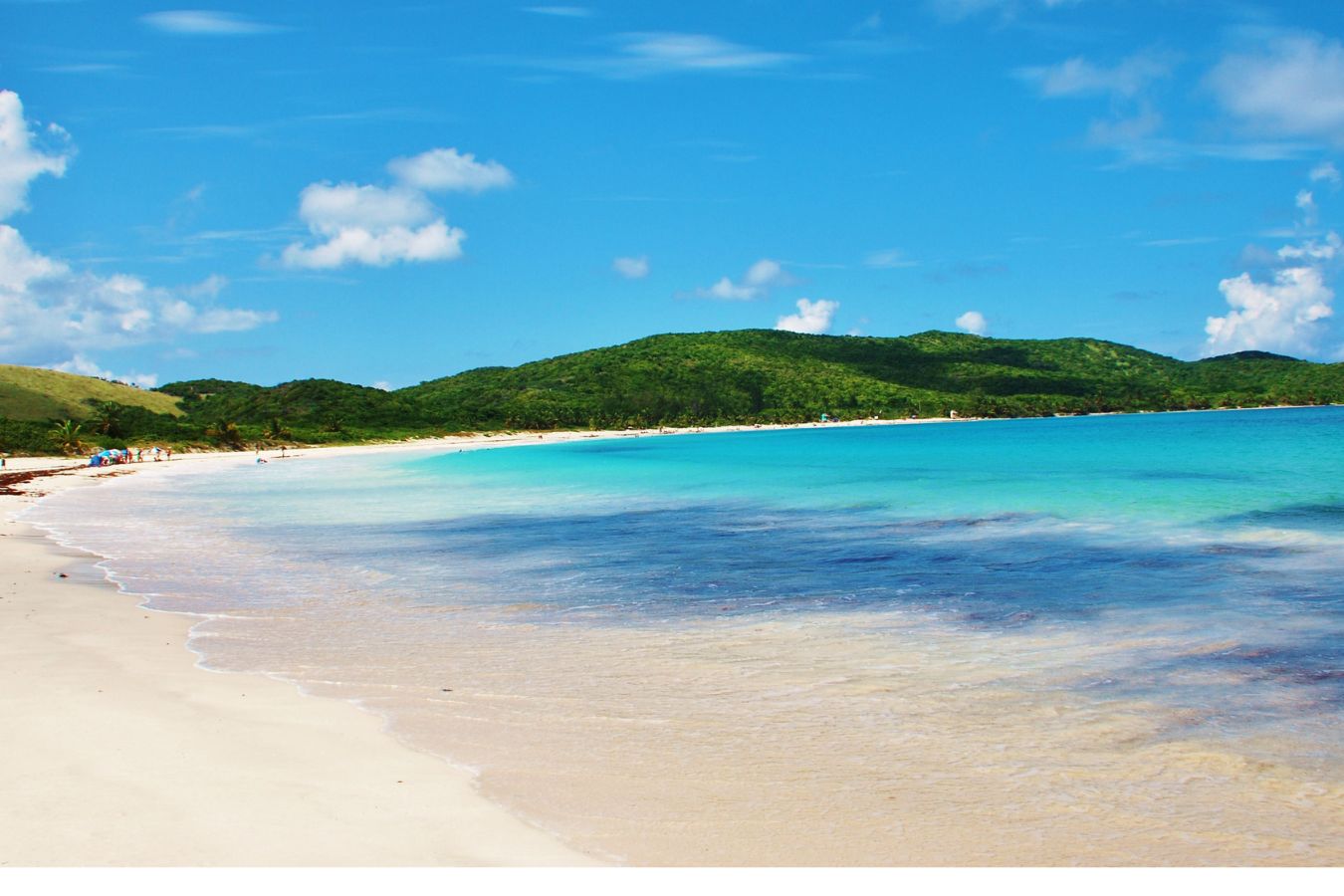
Puerto Rico is a tropical paradise, pristine beaches, lush mountains, and a culture rich in history and tradition. But beneath its beauty lies a deep crisis that has been unraveling for decades. In 2006, Puerto Rico’s population was close to 4 million. By the year 2100, it’s projected to drop to just 1 million. That kind of decline is staggering. This is an extensive look into the exploitation of Puerto Rico: A Century of Betrayal
Despite being a U.S. territory, Puerto Rico is the poorest and most unequal part of the United States. A relentless economic crisis, natural disasters, privatization, and government mismanagement have pushed the island into freefall. Instead of meaningful aid, Puerto Ricans have faced skyrocketing costs, failing infrastructure, and mass displacement.
The Illusion of Poverty
Puerto Rico isn’t inherently poor, it was once an economic powerhouse. American tycoons profited off its sugar industry, and for a time, it was one of the richest places in the Americas, producing vital pharmaceuticals and medical equipment. But rather than reinvesting in the island, that wealth was siphoned away.
Since 2006, Puerto Rico has lost 15% of its population. The island now has one of the oldest populations in the world, with a declining birth rate lower than Japan’s. Nearly half of its residents live below the poverty line. Meanwhile, they pay the highest electricity rates in the U.S., yet suffer from constant blackouts lasting weeks or even months.
Who’s Really in Charge?
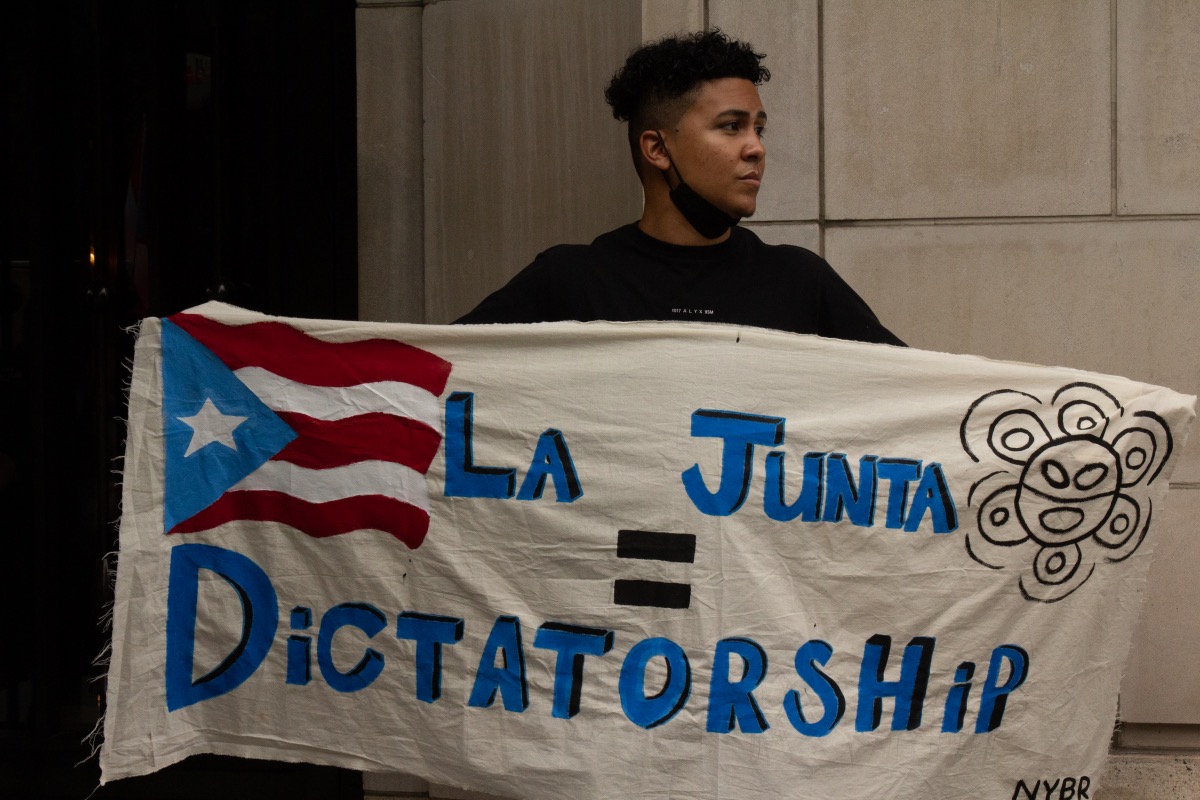
Since 2016, Puerto Rico hasn’t been governed by its elected officials but by an unelected fiscal control board, known as “La Junta,” handpicked by the U.S. president. The kicker? Puerto Ricans, who are U.S. citizens, can’t even vote for the president who appoints these decision-makers.
Local leaders have sold out the island to the ultra-rich. In places like Dorado, wealthy investors, YouTubers, and crypto traders buy multimillion-dollar properties while avoiding taxes. The result? A Puerto Rico without Puerto Ricans.
How Did We Get Here?
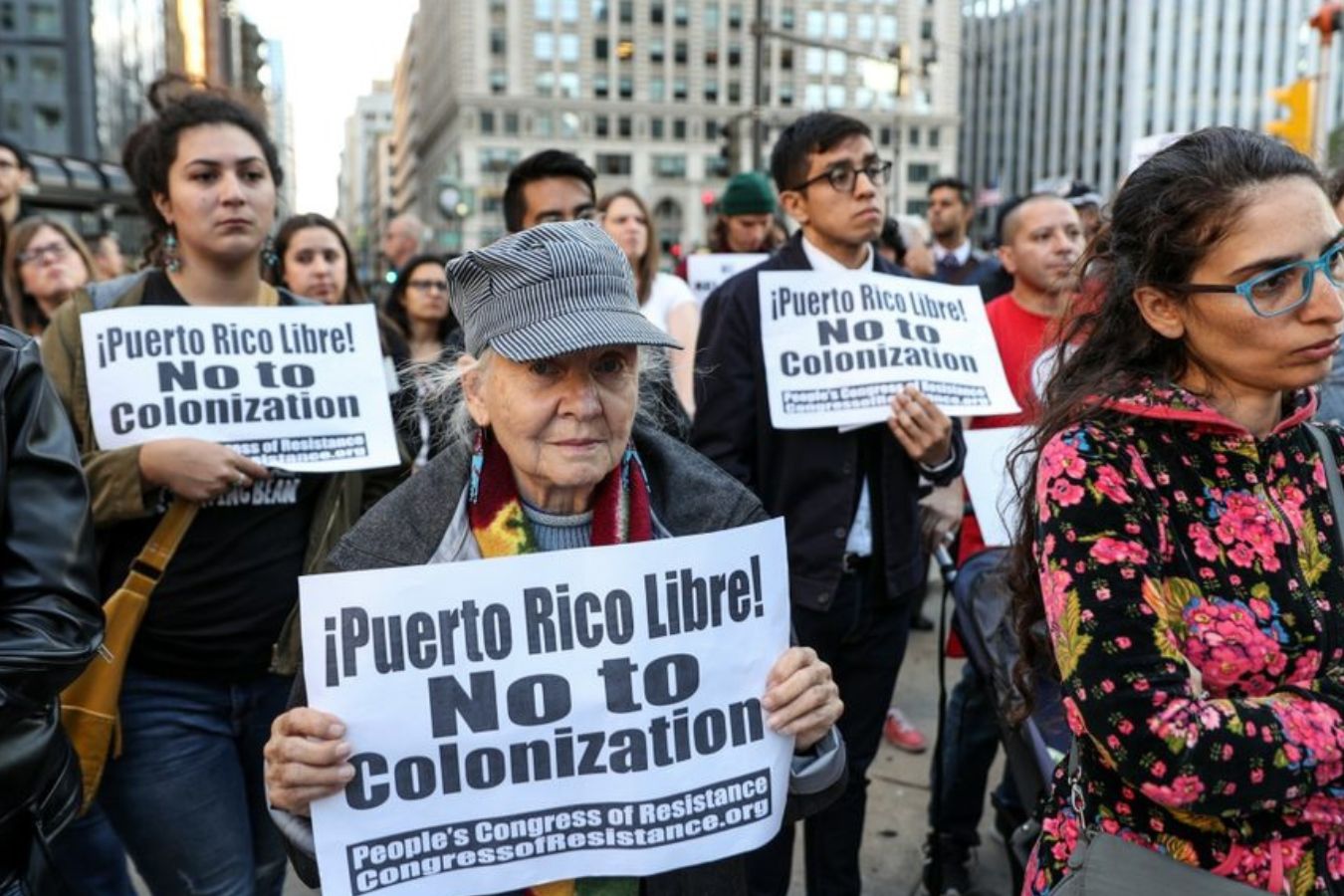
Puerto Rico’s colonial history set the stage for its economic struggles. Originally a Spanish colony for over 400 years, Puerto Rico gained a degree of self-rule in 1897. But just months later, the U.S. declared war on Spain, and by 1898, Puerto Rico was handed over to the U.S. under the Treaty of Paris.
The U.S. treated Puerto Rico as a strategic military outpost rather than an integral part of the nation. Congress debated whether to grant independence, statehood, or something in between, and ultimately chose “limbo.” The Insular Cases, a series of Supreme Court rulings, established Puerto Rico as an unincorporated territory, meaning it “belonged to” but was not “part of” the U.S. This status denied Puerto Ricans full constitutional rights.
The U.S. imposed its tariff system on Puerto Rico, favoring American-owned industries while devastating local ones. The once-thriving coffee industry, which had made Puerto Rico a global competitor, collapsed under U.S. economic policies. Meanwhile, the sugar industry flourished, but only for American corporations.
READ: Dominican Republic Economic growth is The Highest in Latina America & Caribbean
The Rise of American Control
In 1900, the U.S. appointed Charles Herbert Allen as governor of Puerto Rico. Allen raised taxes, denied loans to Puerto Ricans, and funneled resources into American-owned enterprises. After just 17 months, he resigned, returned to Wall Street, and built a sugar empire, buying up the very land he had helped seize from local farmers.
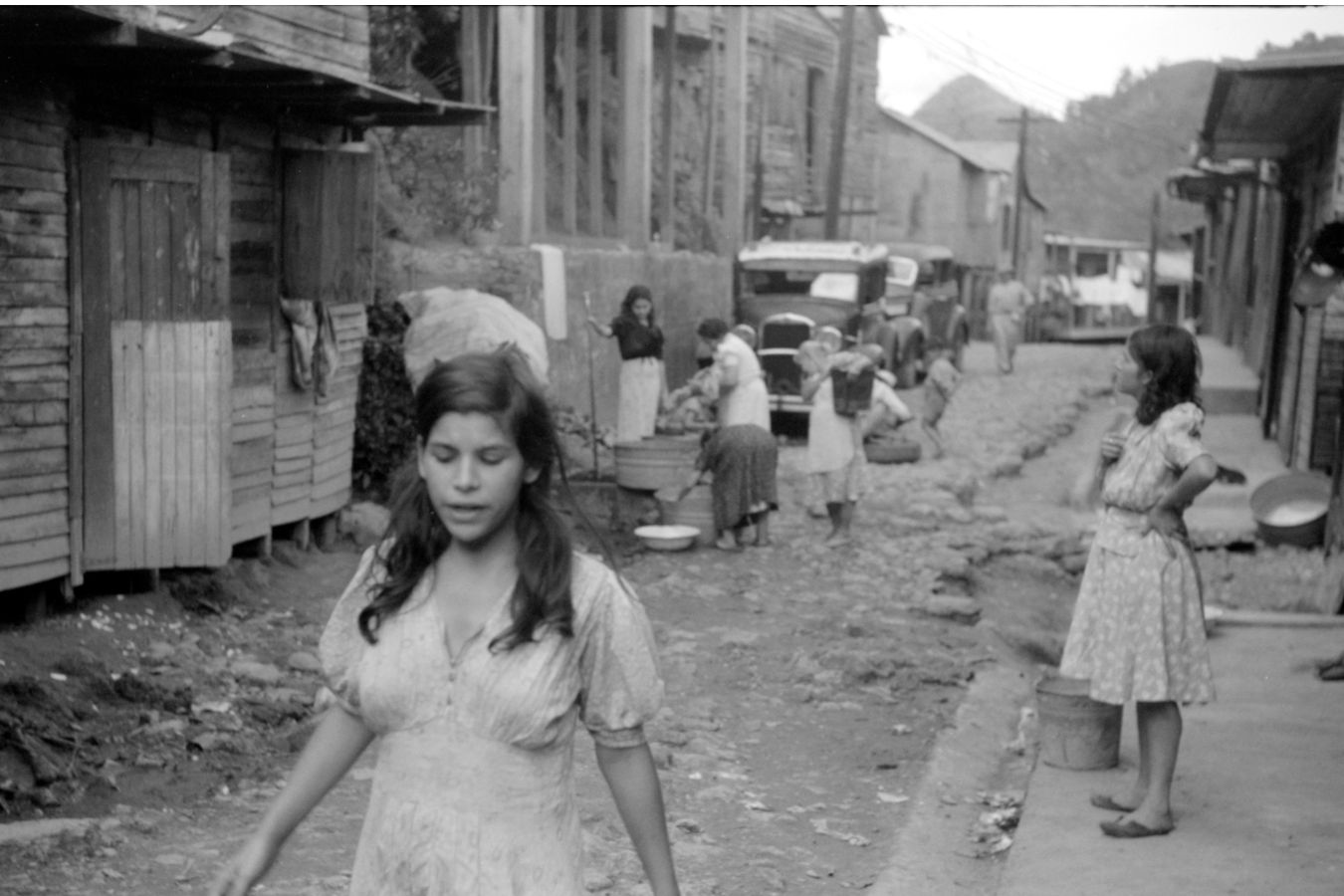
By 1920, nearly half of Puerto Rico’s arable land had been converted into sugar plantations owned by American corporations. Puerto Ricans who once owned farms were now low-wage laborers, earning starvation wages while Wall Street reaped enormous profits. Hunger and economic despair spread as the island’s economy was reduced to a sugar-exporting machine.
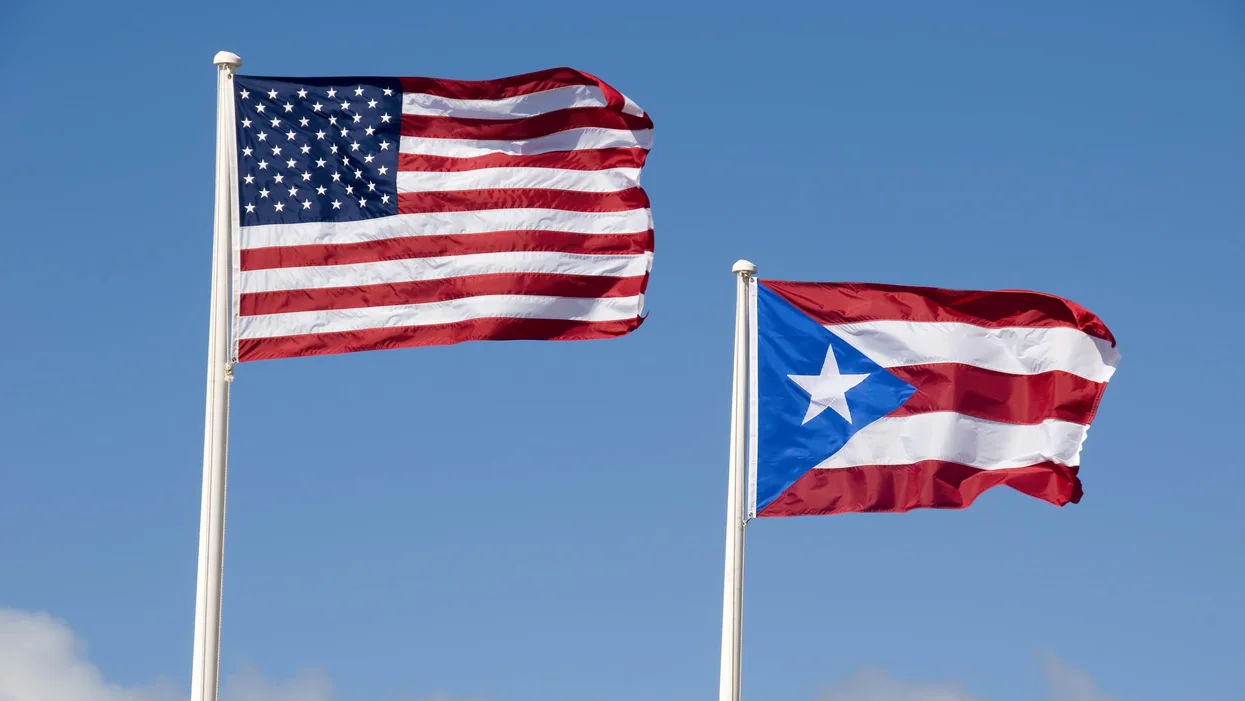
Meanwhile, Puerto Ricans were granted U.S. citizenship in 1917, just in time to be drafted into World War I. In 1920, the Jones Act further crippled the economy by requiring that all goods shipped between U.S. ports be transported on American-built and owned vessels. This law continues to make everything in Puerto Rico, from food to fuel, more expensive than on the mainland.
The Road Ahead
Puerto Rico’s economic, political, and social crises didn’t happen overnight. They are the direct result of over a century of colonial policies, economic exploitation, and government mismanagement. While Puerto Ricans continue to fight for a better future, the question remains: will the island’s fate be determined by its people or by those who have profited from its decline?
Four U.S. shipping companies monopolize the route to Puerto Rico, and they’ve been caught price-fixing, artificially inflating costs before shipping goods to the island. Sending a container from the U.S. East Coast to Puerto Rico on a Jones Act ship costs around $3,000. Meanwhile, shipping that same container to the Dominican Republic, just next door, on a non-Jones Act ship costs half that, $1,500.
This law drives up prices across Puerto Rico, where residents earn about a third of the average mainland wage. It also makes Puerto Rican exports more expensive, reducing their competitiveness in global markets. The Jones Act is estimated to cost Puerto Rico at least $1.4 billion per year, but many experts believe that number is even higher.
To make matters worse, the nearby U.S. Virgin Islands are exempt from the Jones Act, and their goods cost half as much as those in Puerto Rico. After the U.S. systematically dismantled Puerto Rico’s agricultural sector, the island, despite its fertile land, now imports nearly all its food from the mainland. This dependency has led to skyrocketing prices, food in Puerto Rico costs twice as much as in Florida. As a result, around 40% of Puerto Ricans experience food insecurity, a staggering rate that is four times the national average.
Why Doesn’t Congress Repeal the Jones Act?
If the law is so damaging, why hasn’t Congress repealed it? The answer is simple: American shipping companies have powerful lobbying groups with far more influence over lawmakers than Puerto Ricans—who have no voting representation in Congress.
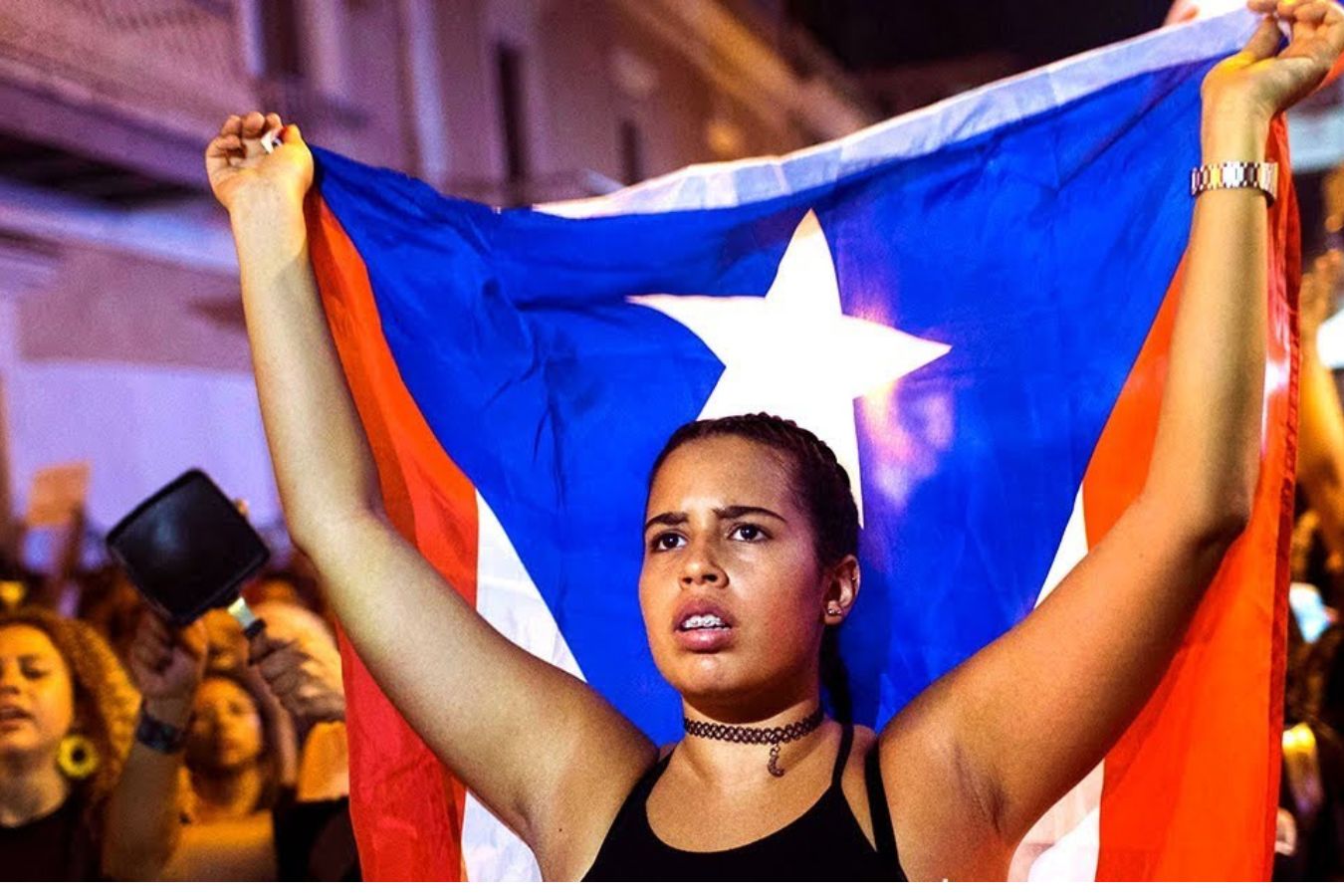
Historically, the U.S. government has actively suppressed Puerto Rico’s independence movement. During the 1930s and 1940s, the U.S. responded to calls for independence with brutal crackdowns, including massacres, mass arrests, and the criminalization of the Puerto Rican flag. To pacify dissent, limited reforms were introduced. In 1952, Puerto Rico’s status shifted from a direct colony to a “Commonwealth,” giving it the ability to elect its own legislature. However, the U.S. Congress retained the power to override Puerto Rican laws. To this day, Puerto Ricans cannot vote in U.S. elections, and the island remains a territory, denied both statehood and sovereignty.
The Rise and Fall of Puerto Rico’s Economy
After World War II, Puerto Rico faced economic devastation as global sugar prices collapsed. In response, the government launched Operation Bootstrap in the 1940s, eliminating corporate taxes to attract U.S. investment. The strategy worked,
American businesses flooded in, setting up factories that capitalized on cheap labor. With unrestricted access to the U.S. market and no tax liabilities, Puerto Rico became a hub for manufacturing pharmaceuticals, garments, chemicals, and electronics.
Between 1950 and 1971, per capita income surged by over 400%. Literacy rates improved dramatically, and life expectancy climbed from 46 to 70 years. In 1976, Congress introduced Section 936, allowing U.S. companies to repatriate all their profits from Puerto Rico tax-free. This turned the island into a global pharmaceutical giant, but at a terrible cost.
Exploitation and Environmental Destruction
American pharmaceutical companies used Puerto Rican women as test subjects for unapproved contraceptive drugs, often without their consent. Meanwhile, U.S. eugenicists promoted mass sterilization programs as a so-called solution to the island’s “population problem.” By 1974, one in three Puerto Rican women had been sterilized, many against their will. The practice was so widespread that it became known as “La Operación.”
Environmental destruction followed. Over 500 Superfund sites, areas contaminated with toxic waste, were left scattered across the island. Companies like Merck, Pfizer, and Upjohn dumped harmful chemicals into Puerto Rico’s soil and water. The U.S. military also used Puerto Rico as a testing ground for napalm, Agent Orange, and depleted uranium. The consequences have been dire: cancer rates in Vieques are 20% higher than on the mainland, and children near Superfund sites suffer from increased rates of leukemia, seizures, and neurological disorders.
Read: The Aftermath of Hurricane Maria is Fueling a Rebirth of The Entrepreneur Spirit in Puerto Rico
Puerto Rico’s Economic Collapse
Despite its industrial success, Puerto Rico never had the autonomy to sustain long-term economic stability. Unlike sovereign nations such as Ireland and Singapore, which reinvested wealth to build infrastructure and develop industries, Puerto Rico remained a source of cheap labor for U.S. corporations.
Between 2008 and 2017, U.S. corporations extracted a staggering $334 billion in profits from Puerto Rico. The island is one of only three places in the world that lose more than 30% of the income they generate, the other two are Equatorial Guinea and Iraq.
The turning point came in 1996 when President Bill Clinton and Congress decided to phase out Puerto Rico’s tax exemptions. By 2006, those incentives were completely gone. At the same time, the U.S. signed NAFTA and CAFTA trade agreements, extending tariff-free access to other countries with even lower wages. Puerto Rico’s competitive edge vanished overnight.
Factories shut down. Hundreds of thousands lost their jobs. The economy collapsed. In desperation, the government hiked sales taxes, corporate taxes, and income taxes. Utility rates soared, with some water bills doubling. Public workers were laid off, and pension benefits were slashed.
Read: Farming is Growing in Puerto Rico & Millennials Are a Big Part of it
The Debt Crisis and Wall Street Predators
With no cash to sustain essential services, Puerto Rico turned to Wall Street. Investors eagerly bought Puerto Rican bonds, which were “triple tax-exempt,” meaning they were free from local, state, and federal taxes. Even as the economy remained in free fall, Wall Street saw the island as a guaranteed payday.
In 1984, Congress passed a law quietly stripping Puerto Rico of the ability to declare bankruptcy. This made investors feel even more secure, they knew Puerto Rico couldn’t legally escape its debt. The island became trapped in a cycle of borrowing just to cover basic expenses. In 2011, Puerto Rico sold $1.1 billion in bonds, $850 million of which went straight to paying off previous debts.
By 2017, Puerto Rico’s debt had exploded to $74 billion, with an additional $49 billion in unfunded pension obligations. Wall Street banks, knowing Puerto Rico had few options, pushed predatory loans. A massive portion, $37.8 billion, came from capital appreciation bonds, the equivalent of payday loans. The original amount borrowed was just $4.3 billion. The remaining $33.5 billion? Pure interest.
Then came the vultures, hedge funds that buy distressed debt for pennies on the dollar and sue for full repayment. These firms had already drained Argentina, Greece, and the Congo. In Puerto Rico, they made political donations to presidential candidates like Hillary Clinton, Chris Christie, and Marco Rubio to kill legislation that could have helped the island restructure its debt. By 2015, these vulture funds controlled nearly half of Puerto Rico’s debt.
Congress Imposes “La Junta”
In 2016, the U.S. Congress passed PROMESA, creating a Fiscal Management and Oversight Board, known locally as “La Junta.” This unelected board had one mission. ensure Puerto Rico paid its debts. Instead of investing in rebuilding the economy, La Junta enforced brutal austerity measures. Schools shut down, hospitals lost funding, and social services were gutted. Meanwhile, Wall Street continued collecting massive payouts.

Puerto Rico remains in financial chains, forced to serve U.S. corporate interests at the expense of its people. Until the island gains the power to control its own economy, repeal exploitative laws like the Jones Act, and break free from Wall Street’s grip, its economic crisis will never truly end.
The board of “La Junta” has absolute power and can overrule any Puerto Rican law. Its seven members are handpicked by the U.S. President with no input from Puerto Ricans. Despite being imposed by the U.S. Congress, Puerto Ricans will foot the $1.5 billion bill for La Junta. La Junta’s executive director earns $625,000 a year, about 30 times the median Puerto Rican household income. Many of the people assigned to La Junta have connections to the financial world and helped create the debt crisis in the first place. Now their job was to extract every last cent from working Puerto Ricans for the next 40 years.
READ: Puerto Rican Women Used as Guinea Pigs in Birth Control Test
To ensure that Wall Street and the vultures got paid, La Junta imposed a brutal austerity program on Puerto Rico. This included hiking tolls, water, and electricity costs; lowering the minimum wage; cutting labor protections and removing sick days; slashing education funding, leading to mass school closures; gutting pensions and healthcare; cutting infrastructure funding; and restricting access to food assistance. Puerto Ricans had already tried austerity in 2009 and 2010, and it only made things worse, forcing more Puerto Ricans to leave for the U.S. and shrinking the economy further. The way out of economic decline is usually growth and investment, not cuts. La Junta, however, insisted on driving down costs and prioritizing faster debt repayments—especially to vulture funds—all while Puerto Rico rotted away.
On September 20, 2017, Hurricane Maria slammed into Puerto Rico, burying entire towns. The island’s infrastructure, crippled by years of austerity, collapsed. Over 500,000 homes were destroyed or damaged, and the entire power grid was wiped out. The federal government’s response was slow and ineffective. President Trump refused to waive the Jones Act until September 28, which delayed the response and increased costs. When it was finally waived, it was only for 10 days.
Nine days after Hurricane Harvey hit Houston, FEMA had approved $141.8 million in aid. Nine days after Hurricane Maria hit Puerto Rico, FEMA had approved just $6.2 million. The United States was slow in deploying helicopters and hospital ships for weeks, while victims of the storm fought to survive one of the deadliest hurricanes in American history. Abandoned communities in Puerto Rico had no power, food, water, gas, or medicine. People were forced to drink water from toxic Superfund sites. Ordinary Puerto Ricans came together in brigades to clear roads and deliver food and water. Meanwhile, FEMA, the U.S. military, and the local government failed to reach isolated communities for weeks. It took a full year to restore electricity to the entire island.

Two weeks after the disaster, President Donald Trump visited Puerto Rico and infamously tossed paper towels at hurricane victims. As thousands of Puerto Ricans fought for survival, he said, “Puerto Ricans want everything done for them.” After Hurricane Harvey, Trump told Texans, “To those Americans who have lost loved ones, all of America is grieving with you, and our hearts are joined with yours forever. We are here with you today, we are with you tomorrow, and we will be with you every single day after.” After Hurricane Maria, he tweeted at Puerto Ricans, “We can’t keep FEMA in Puerto Rico forever.” FEMA usually stays in disaster areas for years. Trump said this just weeks after the disaster, while people were still searching for their missing loved ones.
Hurricane Maria killed over 3,000 Puerto Ricans. The hurricane itself didn’t kill most victims—the deaths came from the systemic collapse that followed. Ambulances couldn’t reach the injured, unsafe water made people sick, and communities went months without electricity to power medical equipment or store medicine safely.
The vultures began circling again. The firm Golden Tree bought millions in Puerto Rican debt for 15 cents on the dollar in the aftermath of Hurricane Maria. They will make about $160 million off that investment, which Puerto Ricans will pay for. After Hurricane Maria and the series of earthquakes in 2020, Puerto Ricans continue to struggle under the weight of debt, austerity, and disaster recovery efforts.
Puerto Rico’s Silent Struggle: Privatization, Exploitation, and the Fight for Survival
For years, Puerto Rico has faced relentless economic and social crises, exacerbated by a governing financial body, La Junta, that has prioritized privatization over public welfare. While Puerto Ricans struggled to recover from natural disasters and economic downturns, their public assets were quietly sold off to private corporations, often without oversight or public input.
The Energy Crisis: Luma’s Takeover and Skyrocketing Costs
In 2021, Luma Energy assumed control of Puerto Rico’s energy grid under a 15-year contract requiring no investment from the company but guaranteeing it $125 million annually from PREPA (Puerto Rico’s power authority). This transition led to mass layoffs of experienced workers, the dismissal of union contracts, and an astounding seven increases in electricity rates. Despite Puerto Ricans paying hundreds of millions to Luma, power outages have become more frequent and longer in duration, even worse than the period following Hurricane Maria. The stark reality: Puerto Ricans now pay nearly double the U.S. average for electricity, a significant burden on economic recovery and daily life.
While the island has abundant solar and wind resources, the push for renewables remains slow, with only 7% of Puerto Rico’s energy coming from sustainable sources as of 2025. The financial incentives for American energy companies to continue importing expensive oil and gas outweigh the benefits of clean energy, leaving Puerto Rico locked into an unsustainable and costly energy model.
The Collapse of Public Education
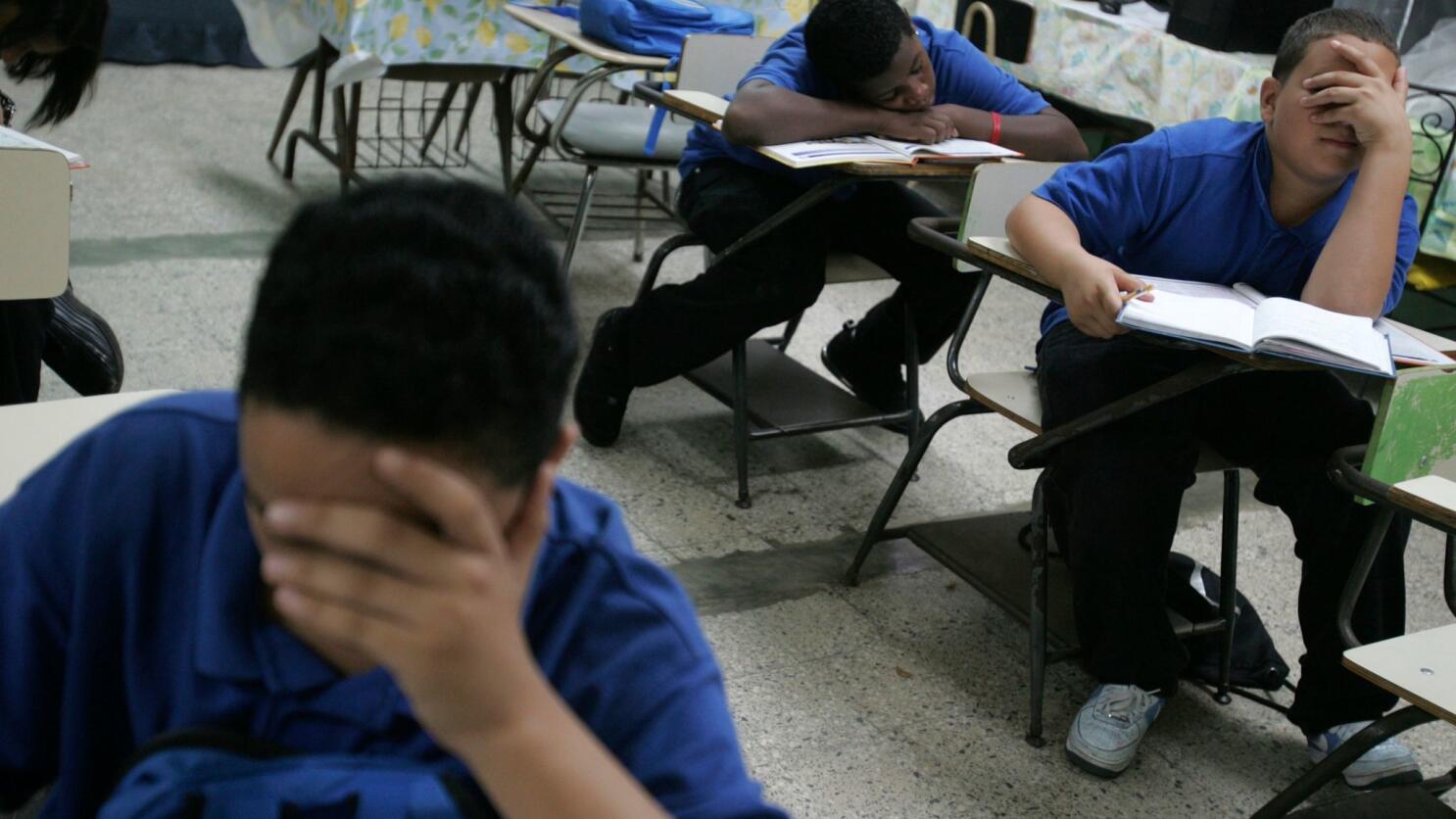
Hurricane Maria dealt a devastating blow to Puerto Rico’s education system, but the response from the government was even more destructive. Over 670 schools were permanently closed, forcing families to relocate and overcrowding the remaining schools. The privatization of education has disproportionately harmed the most vulnerable students, as charter schools, now imposed on the island—enroll fewer low-income and disabled students while producing lower graduation rates. This shift benefits debt-holding corporations like Apollo Education Group, further exacerbating the inequality crisis.
The University of Puerto Rico (UPR), a key institution in moving students into the middle class, has also suffered. La Junta slashed its budget by 50% while tuition fees skyrocketed by 300%. Despite clear evidence that UPR yielded a positive economic return on investment, enrollment plummeted, and critical programs like neurosurgery lost accreditation.
A Healthcare System in Collapse
Once known for some of the best healthcare outcomes in Latin America, Puerto Rico’s public healthcare system was privatized in 1993, setting off a disastrous chain reaction. Despite contributing to Social Security and Medicare like any U.S. state, Puerto Rico receives a fraction of the federal funding provided to mainland states. Doctors are underpaid, medical specialists leave for better-paying jobs in the U.S., and the number of physicians on the island has fallen dramatically from 14,500 in 2009 to just 9,000 in 2025. Meanwhile, the island suffers from higher rates of asthma, diabetes, heart disease, and preterm births than any U.S. state.
Population Decline and Economic Despair
Puerto Rico’s population has shrunk by 15% between 2001 and 2025, and projections suggest a 40% decline by 2050. Economic collapse, high living costs, and lack of opportunities have driven hundreds of thousands of working-age adults to leave the island, leaving behind an aging population with limited resources. This exodus has crippled Puerto Rico’s tax base, making economic recovery even more challenging.
READ: Meet Alex Cohen, the Puerto Rican Wife of NY Mets Owner Steve Cohen
The Wealthy Move In, While Puerto Ricans Are Forced Out
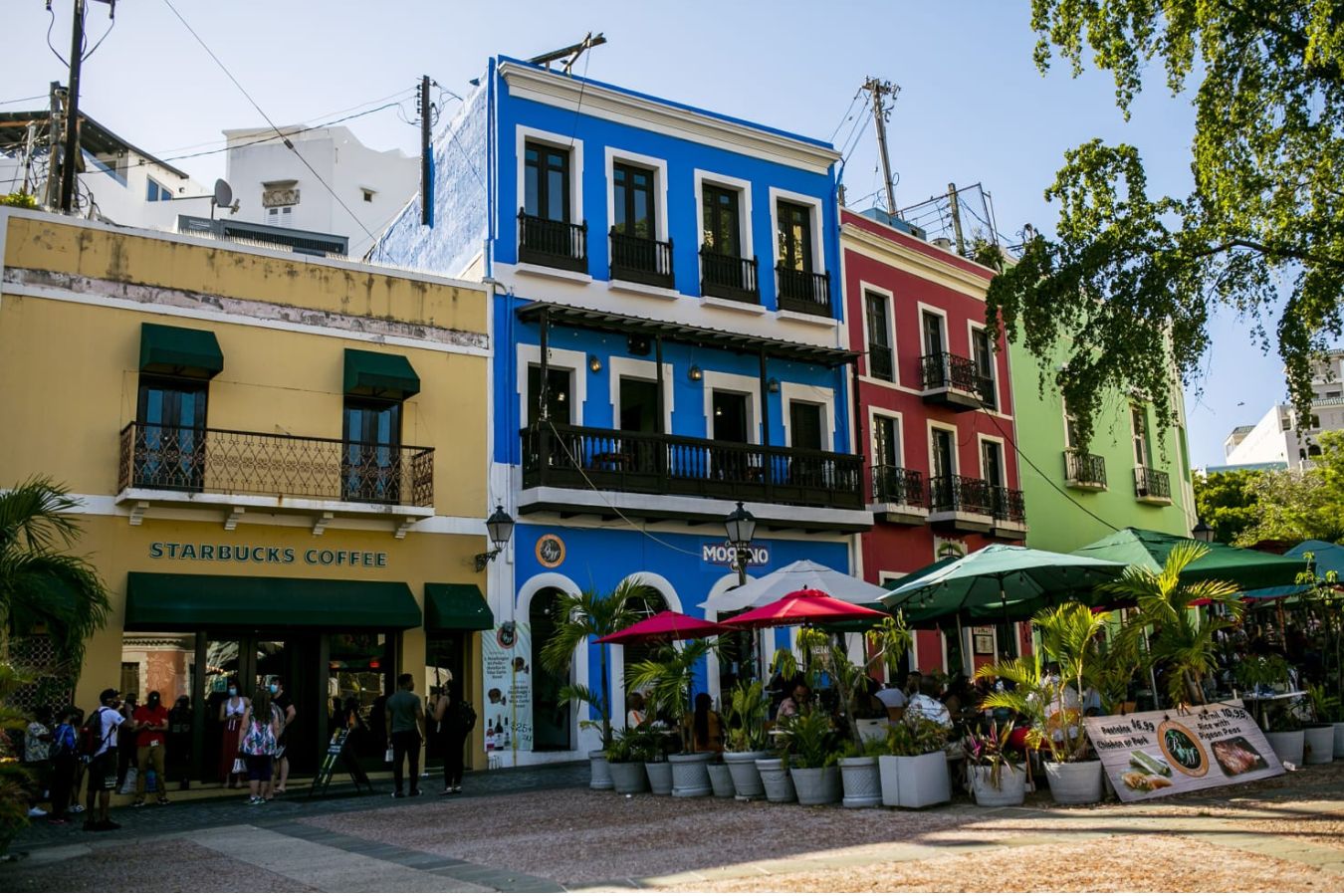
While Puerto Rican workers struggle, the ultra-wealthy have found a haven in the island’s economic distress. The repeal of Section 936, which once attracted manufacturing jobs, has given way to Act 60, an incentive that exempts wealthy Americans from most taxes if they spend at least half the year on the island. Hedge fund managers, crypto millionaires, and real estate tycoons have taken advantage of this loophole, buying land from struggling locals at rock-bottom prices.
Figures like billionaire investor John Paulson and social media personalities like Logan and Jake Paul have flocked to Puerto Rico, driving up the cost of living while contributing little to the island’s long-term stability. Rent prices have surged by 600%, and public beaches, once free for all, are now being privatized.
The Future of Puerto Rico: A Battle for Survival
Puerto Rico now ranks as the fifth most unequal place on Earth. Its people pay high taxes for failing infrastructure, underfunded hospitals, and a deteriorating education system. Rather than reinvesting in its people, the government has facilitated mass displacement, welcoming tax-dodging billionaires instead of supporting the Puerto Ricans who call the island home.
The danger is clear: without systemic change, Puerto Rico risks becoming an island without Puerto Ricans. The fight for energy independence, fair wages, education, and healthcare continues, but without immediate intervention, the island’s future remains uncertain.